This is my personal experience — not medical advice. Always talk to your doctor before making changes to your diet or supplements — especially if you have a medical history like mine.
Last updated: February 2026
My WOE is simple food, smaller portions, and routines I can repeat — because my old habits were quietly killing me, and I didn’t fully see it until it was almost too late.
Why I Changed
Watching her go through that — the slow disappearing of a person I loved — did something to me I still can’t fully put into words. I started looking hard at my own habits. Not from panic, just from a quiet, honest place. I asked myself whether I was doing anything to protect my brain and body as I got older.
I wasn’t.
Fast food. Whatever was easiest. Boredom snacking at the computer. Diet soda all day like it was a food group. I wasn’t thinking about any of it. I was just existing, eating, and not paying attention.
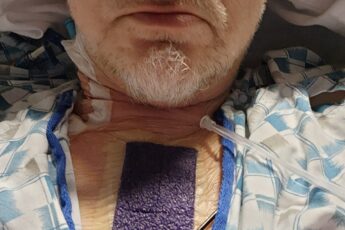
Then in February 2025, I had triple bypass heart surgery.
That was the full stop. You don’t go through something like that and come out the other side thinking, well, I’ll get to it eventually. I decided I was done getting to it eventually.
This page isn’t about a “diet.” It’s about narrowing the gap between lifespan and healthspan — and becoming the kind of man who follows through.
Healthspan vs. Lifespan
When most people talk about “living longer,” they mean lifespan — how many years you’re alive.
What I care about more is healthspan — how many of those years I can still move, think, work, and live without being miserable.
There’s a gap between those two things for a lot of people. They live long but spend the last stretch sick, tired, and limited. That gap is what I’m trying to shrink.
The way I understand it — without the lab language — is that your body has switches that respond to what you eat. One switch says grow and build. One says repair and clean up. Too much of the wrong food keeps the first one stuck in the “on” position and never gives the second one a chance to work.
I don’t obsess over the science every day. But I like knowing there’s a reason that less junk, simpler meals, earlier eating, and not snacking all night can actually help. It’s not just willpower. There’s something real behind it.
Where I Started: The Ground Beef Phase
I didn’t start where I am now.
My first real attempt at changing how I ate was a low-carb approach — heavy protein, very few carbs, and 93% lean ground beef as my main source of food. Breakfast, lunch, sometimes dinner. Just beef, seasoned simply, weighed out and tracked. It was boring, but it worked for a while. I lost weight. I felt better than I expected.
But it wasn’t sustainable long-term. Not financially, and not practically. Eating that way required a level of consistency that was hard to keep up with everything else going on — the surgery, recovery, work, life. So I moved on.
What it gave me though was a real appreciation for meal prep and for not negotiating with myself about food in the moment. Those habits stayed even when the ground beef didn’t.
My 5 Rules Right Now
These aren’t instructions for anyone else. They’re just what I’m doing.
- The 80% rule. I stop eating before I’m completely full. Not stuffed, not uncomfortable — just done. I’ve been a fast eater my whole life, and by the time my brain registers that I’m full, I’ve already eaten past it. Slowing down and stopping earlier has made a bigger difference than any specific food swap.
- Planned meals over random snacking. If I know what I’m eating before I’m hungry, I make better choices. If I’m hungry and there’s no plan, I grab whatever’s there. This isn’t a willpower problem. It’s a planning problem. Meal prep is how I solve it.
- Protein and plants first. I anchor every meal around protein and something green or vegetable-based before anything else hits the plate. It keeps the balance from sliding toward whatever’s easiest.
- Sugar and candy are the slippery slope. I’ve got a weakness for sweets — specifically boredom sweets. The kind I eat while sitting at the computer, not even really tasting them. I’m not pretending I’ve solved this. I’m just more aware of when it’s happening and trying to interrupt it before it becomes a full slide.
- Meal prep on my days off. Monday and Tuesday are my days off. That’s when I prep. When I do it, the week holds together. When I skip it, the week falls apart. It’s that simple.
What I Actually Eat
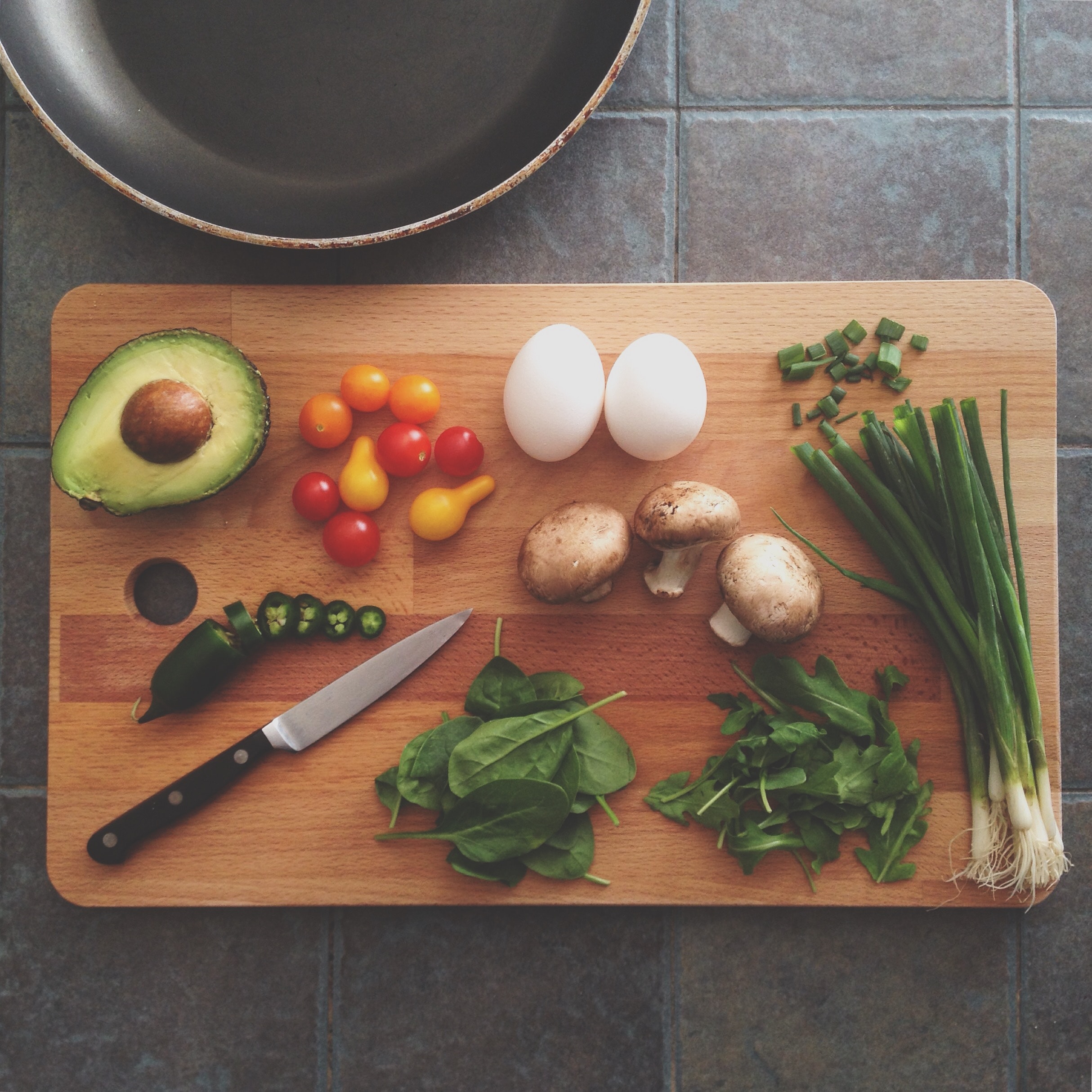
My current eating is less “diet plan” and more frugal, simple, and repeatable. Somewhere between Mediterranean and Japanese — not by design, just by what’s affordable and what keeps me on track.
Protein:
- Tuna packets and canned chicken — cheap, easy, no cooking required
- Eggs — scrambled, hard boiled, whatever fits the day
- 0% Greek yogurt — Fage when I can get it, Great Value when I can’t
- Sardines and salmon occasionally — mostly for the omega-3s
Carbs and fiber:
- Black beans, pinto beans, chickpeas, lentils
- Rice — weighed, not guessed
Vegetables:
- Broccoli and cauliflower mix (frozen)
- Carrots, peppers and onions (frozen)
- Romaine and spinach (fresh — I go through a lot of both)
End of day:
- Miso soup — light, warm, and it signals the kitchen is closed
It’s not glamorous food. But I’m not trying to impress anyone with my dinner. I’m trying to fuel a body that has been through a lot and still has a long way to go.
Meal Prep: How the Week Actually Works
When the containers are ready, the week runs smoother. When they’re not, the wheels come off.
My prep routine on Monday or Tuesday:
- Cook protein (tuna, eggs, canned chicken)
- Measure and cook rice
- Portion everything into containers
- Mix yogurt and protein if I’m doing that
- Wash and cut greens
Once it’s stacked in the fridge, the decisions are already made. I just grab and go.
Portion Control: The Real Battle
Here’s the honest version.
I’m not usually hungry. I’m bored. And bored eating at the computer is a completely different animal than eating because my body needs fuel. One is physical. The other is a habit loop I’ve been running for years.
The real problem wasn’t hunger. It was:
- Boredom
- Habit
- Eating at the computer
- Eating too fast
- Food sitting in front of me
Meal prep containers are my main defense. When food is portioned ahead of time, the decision is already made. I eat what’s in the container and that’s it. When there’s no container and I’m standing in the kitchen tired from work, I make different choices.
I eat too fast. I’ve known this for years. I’m working on it. Slowing down and actually stopping at 80% full is a daily practice, not something I’ve figured out. I aim for at least 10–15 minutes per meal. When I slow down, I notice fullness sooner.
.
Diet Soda and Sweet Tea
For years I drank diet soda all day — even if calories were zero, the habit wasn’t. I’ve been reading more about how artificial sweeteners can keep the craving loop alive even without actual sugar. Your body gets the signal, expects the payoff, and when it doesn’t fully come, the craving doesn’t fully quiet down.
I’m experimenting right now. Not quitting cold — just paying more attention and replacing some of it with water. Pur dispenser at home, Brita bottle at work. Some days I do better than others.
Sweet tea is in the same category. I like it. It’s a Southern thing. I’m trying to be honest about when I’m reaching for it out of habit versus actual enjoyment.
This is still a work in progress.
Supplements (The Short Version)
I take creatine daily — currently 10 grams, mixed in lemon water first thing when I wake up (which is midnight, for the record). My thinking is muscle retention while I’m losing weight, and there’s some evidence for brain support too. That second part is what caught my attention — given what happened to my mother, anything that might support cognitive health is something I want to understand.
That said: I have a medical history, and I discuss this with my doctor. I’m not just throwing things at the wall. The creatine is a considered choice, not a recommendation for anyone else.
For my full supplement list, including Taurine, Quercetin, and everything else I’m currently taking, visit my [Supplement Stack] page.
Progress and Tracking
I keep a hand-drawn weight chart in a notebook. Nothing digital for this part — I like being able to flip a page and see the line. MyFitnessPal gets the daily log. The notebook is what keeps me grounded.
Where I’m at right now:
| Current weight | Just over 200 lbs |
| Immediate milestone | Under 200 |
| Health minimum | 180 |
| Long-term goal | 160 |
I stalled around 209 for a while. Sweets. I know exactly why. After surgery I dropped to 178. Right now I’m working back toward 160 and planning to hold there.
I measure waist too, not just weight. The number on the scale only tells part of the story.
I look at the week, not a single day. If one meal goes sideways, I don’t spiral — I get back to the next container.
FAQ
What does “WOE” mean to me? Way Of Eating. It’s what I call my approach to food — not a diet, not a program, just the framework I’m using to make better choices consistently. The “woe” part is also a nod to where I came from. My eating habits caused me a lot of grief over the years. The name reminds me of that.
Why is portion control my main focus and not cutting specific foods? Because I’ve been down the “cut this food out completely” road before and it doesn’t hold. What actually works for me is eating less of most things rather than eliminating any one thing entirely. The 80% full rule does more for me than any food restriction ever did.
Why do I meal prep on my days off instead of daily? Because I work Wednesday through Sunday and I’m up before 5am. By the time I get home, the last thing I want to do is make decisions about food. If I prep on Monday and Tuesday, those decisions are already made. I just grab and go.
How do I handle a treat day or birthday cake? I eat it. I log it if I can. I don’t spiral. The goal is consistency across the week, not perfection in every single moment. One piece of cake doesn’t wreck anything. A week of unplanned eating does.
What do I do when I fall off track? I look at why it happened instead of just beating myself up. Usually it comes back to one of two things: I didn’t prep, or something stressful knocked me into old habits. I note it and get back to the next meal.
What’s my biggest nutrition challenge right now? The boredom snacking at the computer and cutting back on diet soda. Both are habit loops I’ve had for years. I’m working on them, slowly.
Is this something I’d recommend to anyone else? No. It’s my plan, built around my schedule, my health history, my budget, and what I’ve learned about myself. It’s not advice — it’s documentation. What I’ve found is that the principles (portion control, meal prep, simple food) show up in a lot of approaches that work. But how they get applied is different for everyone.
Related Pages
- [My Journey] — The full backstory
- [Healthspan] — Why quality of life matters more to me than just years
- [Lifespan] — The longevity side of the picture
- [Creating a Healthy Lifestyle] — The bigger umbrella this all fits under
- [My Exercise Plan] — The other half of the physical health picture
- [Supplement Stack] — Everything I’m currently taking and why
Last updated: 2026


Leave a Comment