
Lifespan
How I’m Working to Add More Years to My Life
At a Glance
- Chris Whalen, 53, triple bypass survivor, thinking hard about how many years he has left
- Average life expectancy after bypass surgery is around 18 years — that puts him at 71
- This page covers what cuts lives short, what science says about living longer, Blue Zones research, and his personal plan
- First-person account only — not medical advice
Table of Contents
Why Living Longer After 50 Matters to Me
I’ve been through some things that made me look time in the face. My dad had a stroke that left him unable to care for himself. My mom slowly disappeared into the grip of dementia. And then came my own wake-up call — a triple bypass that brought everything to a halt.
That surgery didn’t just make me think about how I live. It made me think about how long I might live. From what I’ve read, the average life expectancy after a surgery like mine is 18 years. That would put me at 71. My father lived to 72, and my mother to 76. Those numbers sit with me.
I don’t want to be gone too soon. I want more years. More birthdays. More days to sit on the porch, talk with family, share a meal, or take a walk. I want to outlive the odds — and I want those years to count.
This page is about what I’m doing to stack the deck in my favor. To live a little longer.

What Lifespan Really Means
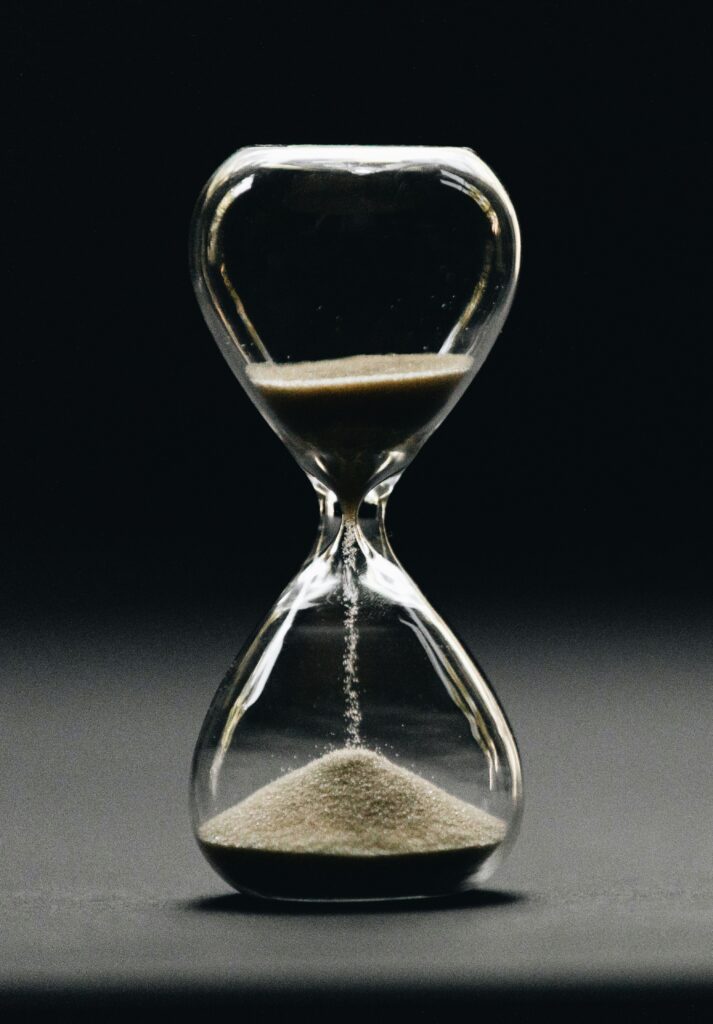
Lifespan is the total number of years we’re alive. It’s not about how good those years are — that’s Healthspan. Lifespan is the number on your birth certificate and the dash on your headstone. It’s how long your body sticks around.
The average for men in the U.S. is around 76. I already know people who didn’t make it that far. But that’s just the average. Some people live into their 90s and beyond — others don’t make it past 60.
What makes the difference between dying at 65 and living past 80? That’s the question driving me.”
Link to my Healthspan page – for how I’m working to live better
What Cuts Our Lives Short
When I was younger, I never really thought about how I might die. Most of us don’t — not until we’re forced to.
But after watching my parents decline, and going through my own heart surgery, I’ve had to face the hard truth: life is fragile, and it can be cut short in a dozen different ways. Sometimes it’s sudden. Sometimes it creeps in over decades. Either way, it takes people long before their time.
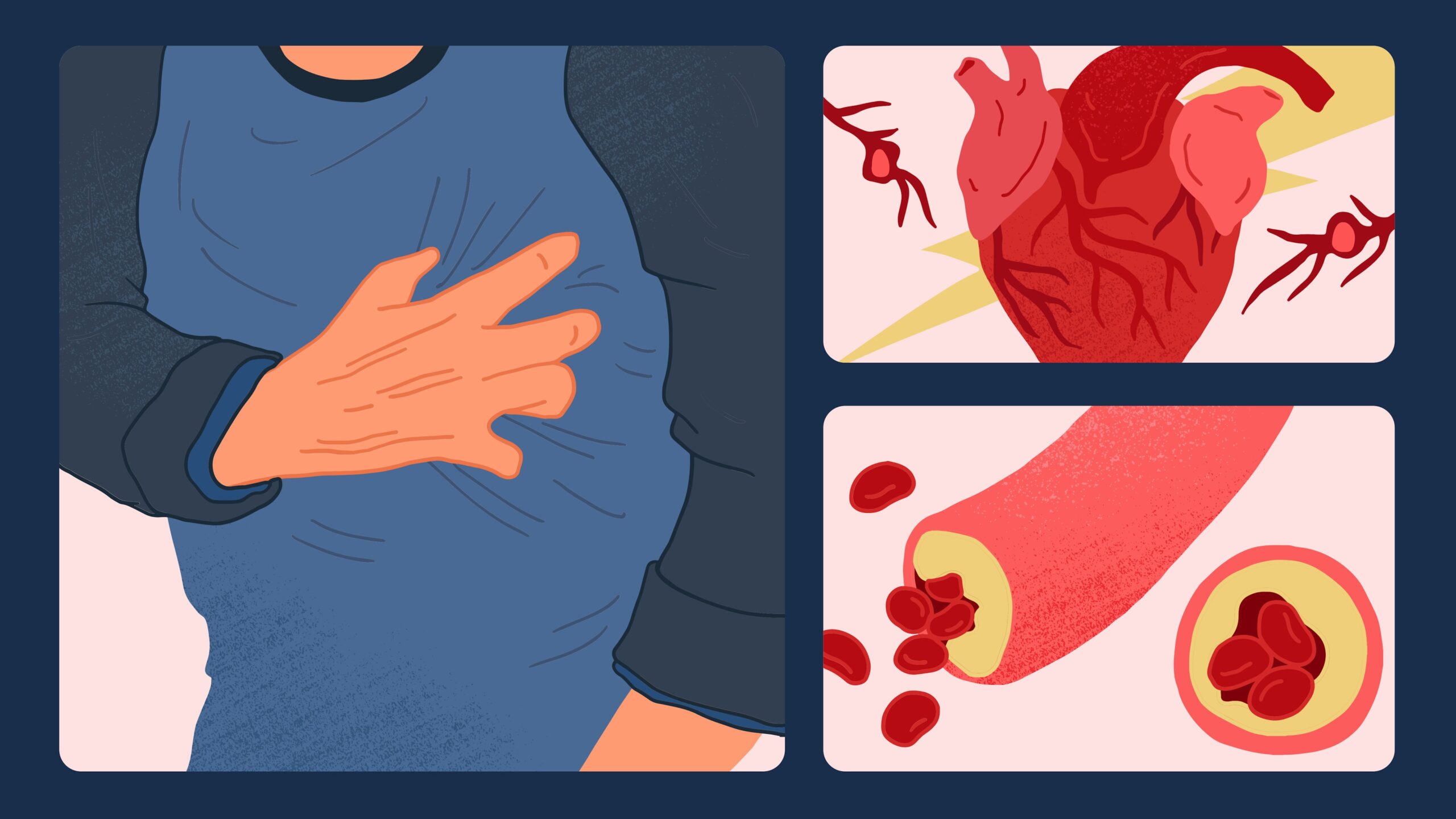
These are the things most likely to end our lives too early:
Heart disease
Cancer
Stroke
Diabetes
Chronic respiratory disease
Accidents and injuries
Substance use (smoking, alcohol, drugs)
Poor diet and inactivity
Of course, genetics matter. We all inherit some risks. But what’s been eye-opening to me is that we’re not powerless — especially after 50. Lifestyle choices, habits, even mindset can actually flip genetic switches on or off. Scientists call this epigenetics. It means the way we live can change how our genes express themselves. We have more control over how long we live than most people realize.
I can’t undo the past, and I can’t predict the future — but I can work every day to give myself a better shot at a longer life.
What Science Says About Living Longer
There’s no magic pill for a longer life, but science has uncovered a lot. Here’s what I’ve found in my research — and in my own experience so far.
A. Modern Medicine That Can Add Years
I’m alive right now because of modern medicine. There’s no denying that. And when used wisely, it can extend lifespan dramatically.
Statins & blood pressure meds — help prevent heart attacks and strokes, I’m on both. Metoprolol Tartrate for my Blood Pressure, Atorvastatin for my Cholesterol, and Aspirin as a blood thinner.
Bypass surgery & stents — can give people like me a second chance. I had hoped I’d have stents at the worst. Turns out it was even worse and I had to have a Triple Bypass.
Cancer screenings — colonoscopies, prostate checks, mammograms save lives. These are next in line for me, I’ve already been contacted and need to call them back to get my colonoscopy scheduled.
Vaccines — flu, pneumonia, shingles are just some of the deadly infections we need to fight as we age. Of course, I need to catch up on all of these as I’m writing this.
- Longevity research — things like metformin, rapamycin, and fasting-mimicking diets are being studied to slow aging
These last ones I’m not doing — just things I’ve come across in my reading that are worth knowing about. The research on slowing aging is moving fast.

B. Lifestyle Habits That Extend Lifespan
This is the stuff we can control. From everything I’ve read, the people who live longest tend to share these habits. Some I’m doing. Some I’m still working on.
- Not smoking — quit in the summer of 2013. One of the better decisions I’ve made.
- Staying lean — I’m working on it. I keep losing ground and sliding back. Still trying.
- Exercise — I walk eight hours a day at work. On top of that I’m working back into bodyweight exercises and the exercise bike. Not where I was before surgery but getting there.
- Avoiding alcohol — for the most part I do. I’ve been working on the same bottle of bourbon for three or four years now. That about says it.
- Sleep — I’ve been trying to make this non-negotiable. Lately I’ve been failing at that too.
- Stress — I was doing fairly well with this for a while. Right now there’s a lot coming from multiple directions — health, finances, work. It’s a hard one at the moment.
- Regular checkups — I’m finally doing these. Though the appointments themselves are stressful, and the bills that follow don’t help.

According to Harvard research, even moderate changes in these areas could add years to my life. I’m not where I want to be on all of them. But I’m not ignoring them either.
Related Links:
🔗 Harvard Health: Longevity lifestyle strategies for living a healthy long life
C. Longevity Lessons from the Blue Zones
In five places around the world — Okinawa in Japan, Sardinia in Italy, Nicoya in Costa Rica, Icaria in Greece, and Loma Linda in California — people regularly live into their 90s and beyond. Not just alive, but functional and engaged.
Researcher Dan Buettner and his team studied what these places had in common. What they found became known as the Power 9 — nine shared habits that show up consistently among people who live the longest. I’ve been reading about this for a while now. Some of it I’m doing. Some of it I’m working toward. Some of it I’m honestly struggling with.
Here’s what they found:
The Power 9:
🏃♂️ Move Naturally
Blue Zoners don’t grind it out at the gym. They move throughout the day — walking, gardening, doing things with their hands. I walk eight hours a day at work on concrete floors. I’m working back into bodyweight exercises and the exercise bike. Movement is already built into my life whether I planned it that way or not.
🎯 Purpose
Having a reason to get up in the morning is linked to living up to seven extra years. The Okinawans call it ikigai. I’ve written about finding mine — the blog, the worldbuilding project, restoring the Blazer, working on the house. These aren’t hobbies. They’re what keep me going.
🔗 Related: Discovering Purpose — Finding my Ikigai
🧘 Downshift
Chronic stress accelerates aging. Blue Zoners build daily habits to manage it — prayer, naps, meditation, quiet time. I try to meditate, or at minimum just do my breathing exercises. It doesn’t always happen. But on the days it does, I notice the difference.
🥗 80% Rule
In Okinawa they practice hara hachi bu — a reminder to stop eating when you’re about 80% full. I understand why this works. I fail at it constantly. It’s on the list of things I keep trying to get right. Growing a garden is part of that plan — eating simpler, fresher, closer to the source.
🫘 Plant Slant
Blue Zone diets are built around plants — beans, greens, sweet potatoes, whole grains. Meat is a side dish, not the main event. I’m eating more plant forward than I used to. Not perfect. Still a work in progress.
🍷 Wine at 5
Most Blue Zones include moderate drinking — one or two glasses of wine, socially, with food and friends. Loma Linda is the exception. I’ve basically stopped drinking. I have an old fashioned on my birthday. This year might be the last one of those too. Maybe.
(Do your own research on this one. The evidence is mixed and personal circumstances matter.)
🛐 Belong
Almost all of the world’s longest-lived people are part of a faith community. Attending services regularly is linked to longer life across multiple studies. Where I stand with this is something I’m still working through. It’s a deeper question than I can answer quickly.
❤️ Loved Ones First
Blue Zoners keep family close — aging parents nearby, strong investment in their kids, committed relationships. I have my kids and some family and friends. That matters to me more than I usually say out loud.
(Note: “Loved Ones First” is the common label for this one but the research calls it various things across different Blue Zone studies. Worth looking into further if you want the more precise framing.)
👥 Right Tribe
The people around you shape your habits and your health. Blue Zoners are part of social circles that support healthy living. In Okinawa these groups are called moai — lifelong friend groups that meet regularly and look out for each other. I’m more of a hermit by nature. Community is something I know I need more of. Still figuring out what that looks like for me.



Related Posts:
📌Discovering Purpose: Finding my Ikigai
📌 Nutrition – My W.O.E. (Way of Eating)
Related Links:
🔗 BLUE ZONES: Power 9
My Personal Lifespan Plan
I’m not trying to live forever. I just want more time. More years with the people I love. More chances to enjoy the life I’ve worked for.
Here’s where I’m putting my energy now:
Walking
This is where my journey started years ago — short walks, 15 minutes at a time. Now? I’m walking 8 hours a day at work. It’s not fancy, but it works. Movement is medicine.
Sleep
Sleep has always been a struggle for me — but I’m working on it. Better sleep means better recovery, better heart health, and a better shot at a longer life.
Weight Loss
I’ve fought my weight my whole adult life. I’m aiming for 170 pounds — not for looks, but for longevity. Every pound lost is pressure off my heart.
Eating Better
I struggle here — cravings, habits, even money. But I’m learning to eat more like the Blue Zones: simple, plant-forward, and less processed. I’m not perfect. But I keep trying.
Staying Connected
I’ve always been a bit of a hermit. But lately I’ve been reaching out more — family, old friends, even folks I meet online. Loneliness shortens lives. I’m working on that.
Heart Health
This is new territory for me. I didn’t get a new heart — but I got a second chance with the one I’ve got. After my triple bypass, I’m more aware than ever of how fragile life can be. I’m tracking my blood pressure and cholesterol, staying on top of appointments, and doing my best to protect the repairs that saved my life.
Meds
I’m on Metoprolol, Atorvastatin, and daily Aspirin now. Keeping up with my prescriptions is non-negotiable. No more skipping or winging it. This is life-or-death stuff.

These are my non-negotiables — not because I enjoy them all, but because I want to be here longer. I’m playing the long game now. Every small step I take is an investment in time I hope to spend with the people I care about.
FAQ
What is lifespan and why does it matter after 50?
Lifespan is the total number of years you’re alive. After 50 — especially after a health scare like mine — it stops being an abstract number and starts feeling very real.
What is the average life expectancy after bypass surgery?
From what I’ve read it’s around 18 years. For me that puts the number at 71. My father made it to 72, my mother to 76. Those numbers sit with me every day.
What are the Blue Zones and what can we learn from them?
Five regions in the world where people regularly live into their 90s and beyond. Researchers found nine shared habits — the Power 9 — that show up consistently. I’ve been working through which ones apply to my life.
What lifestyle habits actually help you live longer?
Not smoking, staying lean, moving regularly, eating mostly plants, sleeping enough, managing stress, and staying connected to people. I’m doing some of these well. Others I’m still working on.
Can you extend your lifespan after heart surgery?
That’s what I’m trying to find out. Triple bypass at 53. I’m on medications, doing the checkups, rebuilding my habits. I don’t know how long I’ll be here. But I’m not leaving it up to chance.
Final Thoughts: More Years, More Life
Lifespan is time. And time is the one thing you can’t get back.
I don’t know how long I’ll be here. I know what the numbers say. I know what I’ve watched happen to people I loved. And I know what I’m doing every day to give myself a better shot at more time.
That’s all I’ve got. More time. For my kids. For the house. For whatever comes next.
— Chris

Next Steps:
→ My Healthspan and Level 10 Life pages — the other two pillars
→ My Journey — where this whole thing started
→ My Recommended Gear — things I’ve personally bought and use Items are also in my Amazon Store.