Introduction
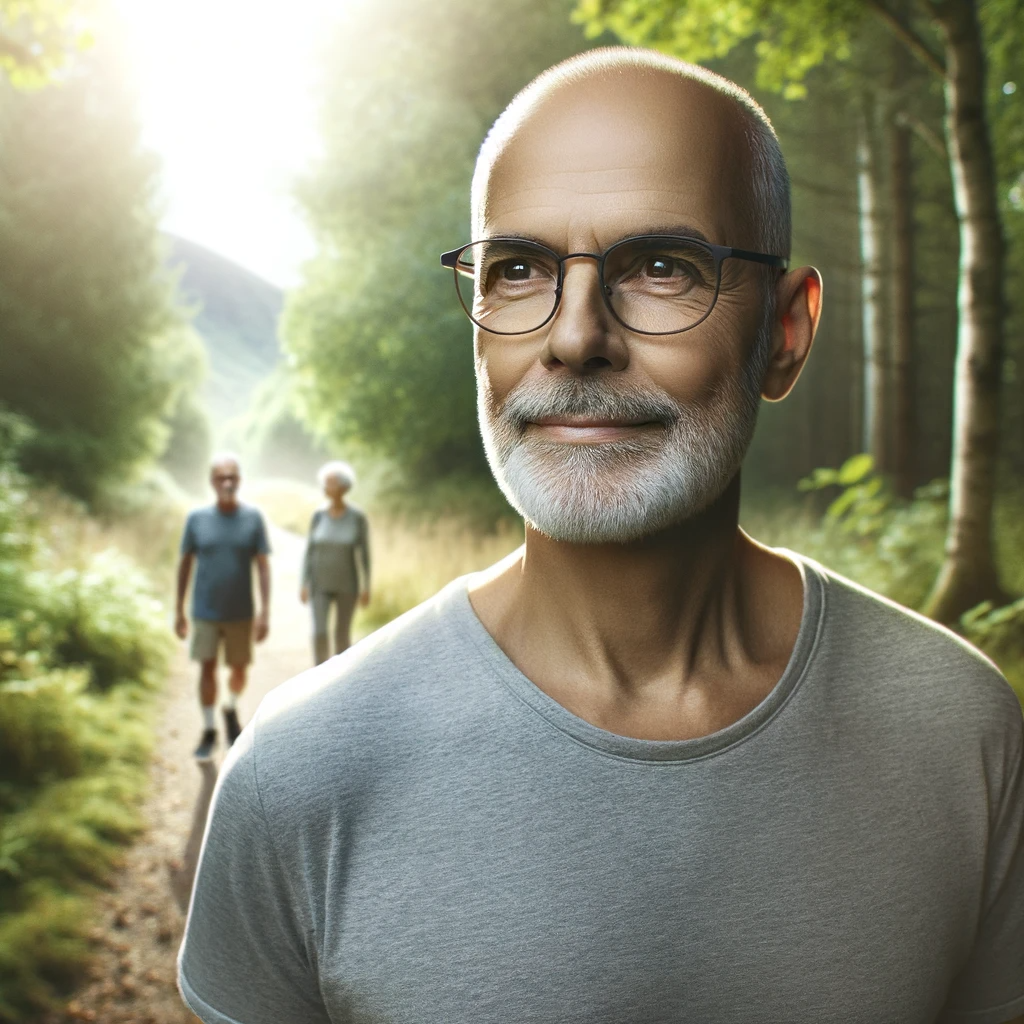
Walking, a simple exercise we often take for granted, holds immense benefits, particularly as we mature. For those of us in the middle years and beyond, it becomes a vital part of maintaining our health. It helps in managing weight, lifts our mood, and reduces the risk of various chronic diseases. As we advance in age, the benefits of walking become even more crucial. It helps counter the physical decline often associated with aging, keeping our hearts and lungs healthy and our muscles and joints in good working condition.
Beyond physical health, walking profoundly impacts mental well-being in older adults, alleviating symptoms of anxiety and depression, and enhancing cognitive function, potentially lowering dementia risks. Socially, it offers opportunities for community engagement and combating loneliness, critical in older age. In essence, walking is more than just physical exercise; it’s a key to maintaining physical, mental, and social health, making it an indispensable activity for a fulfilling and healthy aging process.

The Science of Walking and Aging
The impact of walking on aging and longevity is well-documented. Regular walking, especially as we age, plays a significant role in our overall health. Scientific studies have shown that walking improves heart health, which is particularly important as we age, and helps maintain a healthy weight – crucial for avoiding age-related conditions like type 2 diabetes. Walking also plays a role in mental health, easing symptoms of anxiety and depression, and can even help keep our minds sharp, potentially lowering the risk of dementia.
Beyond the physical benefits, walking also offers social and emotional advantages that contribute to a healthier aging process. Engaging in regular walks, especially in natural settings or with friends, can combat feelings of loneliness and isolation that often affect older adults. This social aspect of walking fosters a sense of community and belonging, which is vital for mental well-being. The exposure to natural environments during walks can also have a therapeutic effect, known as ecotherapy, helping to reduce stress and improve mood. Additionally, walking is an adaptable exercise that can be modified to suit individual fitness levels and physical capabilities, making it an ideal activity for aging populations. As we age, our bodies undergo various changes, but incorporating walking into our daily routine can help mitigate many age-related challenges, making it a cornerstone for promoting a healthy and fulfilling lifestyle in our later years.

Physical Benefits of Walking for Older Adults
Walking is a fantastic exercise for the heart and can be essential for maintaining cardiovascular health as we age. It helps to regulate blood pressure and cholesterol levels, which are vital for a strong heart. Additionally, it’s an effective way to manage weight, something that becomes increasingly important as our metabolism slows down with age. Walking also keeps our muscles and joints in good shape, helping us stay flexible and reducing the risk of falls and injuries.

Mental Health and Cognitive Benefits
Walking isn’t just good for the body; it’s great for the mind too. Regular walks can significantly reduce the risk of mental health issues like anxiety and depression, providing a natural mood boost. For us, especially as we get older, walking can also help keep our minds sharp and focused. It increases blood flow to the brain and is linked to improved memory and a lower risk of cognitive decline.

Longevity and Quality of Life
Walking regularly can lead to a longer and healthier life. Studies have shown that those who walk regularly have a lower risk of premature death. It’s not just about living longer, though; it’s about living better. Walking helps maintain independence in older adults, keeping us physically capable and mentally sharp, which contributes to a more engaged and fulfilling life.
Incorporating Walking into Daily Routine
For me, starting a walking routine was easy. My current job has me walking for 8 hours a day usually at a brisk pace, although I change it up a little. I do average somewhere around 10,000 steps a day give or take a little. Now this is about half of what used to be normal for me at my former job at one point, but I was no longer used to that. I am getting used to it again, but my feet, ankles, and knees let me know daily what they think about.
The first time I started up a walking plan years ago, I started simple, I walked around the block. As it got easier, I’d add another block to the walk, until one day I was making a circle around almost the whole town. ( I live in a small town, it was about a 4 mile walk.)
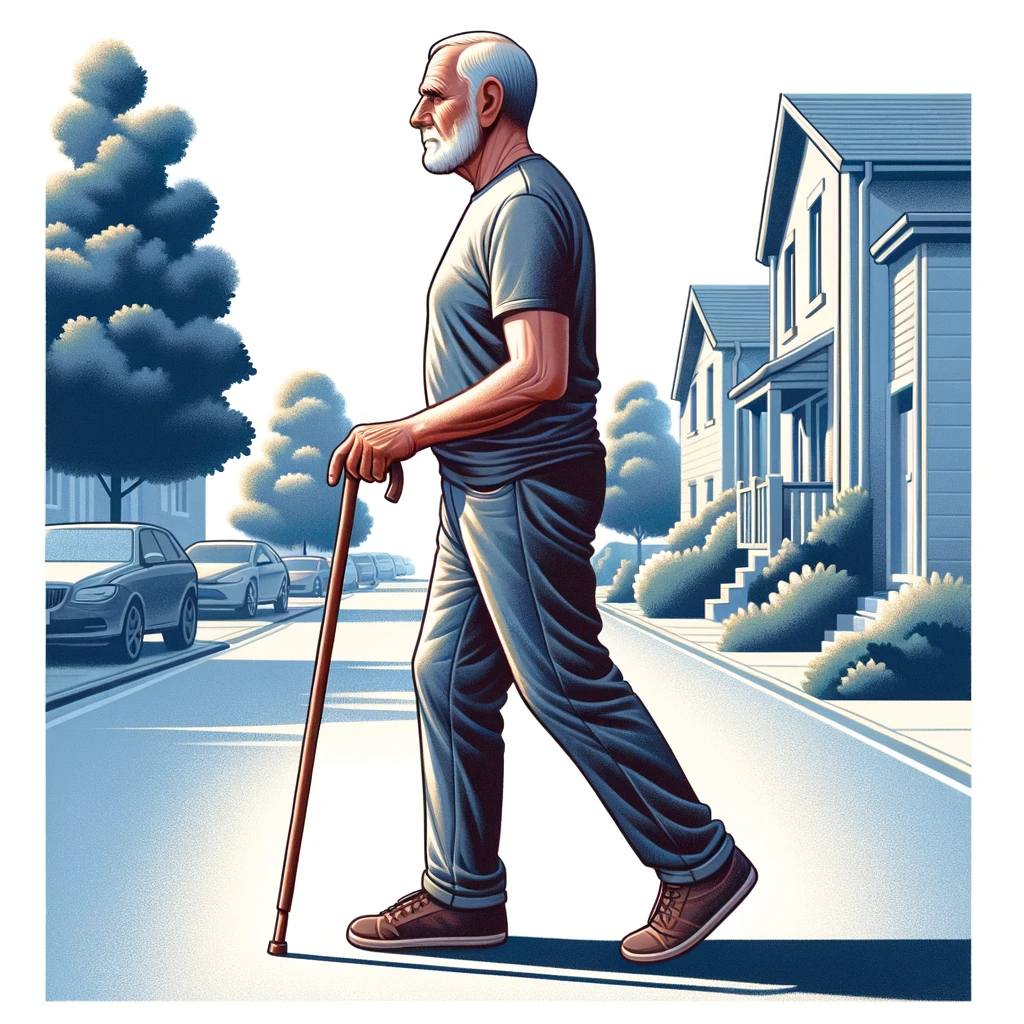
Incorporating walking into daily life, particularly for those new to exercise or returning after a hiatus, can be achieved through simple, practical steps. Starting with setting achievable goals is key; begin with short, 10-15 minute walks and gradually increase the duration as stamina improves. Consistency is more important than intensity at the start. Choosing the right footwear to avoid discomfort and injury is crucial. Walking can be more enjoyable when integrated into routine activities, such as taking a brisk walk during a lunch break, using stairs instead of elevators, or walking to nearby destinations instead of driving. For motivation, tracking progress with a pedometer or a smartphone app can be encouraging. It’s also beneficial to vary routes and environments to keep the experience fresh and engaging. For social motivation, joining a walking group or finding a walking buddy can make the activity more enjoyable and accountable. Most importantly, listening to one’s body and making adjustments as needed ensures a positive and sustainable walking habit.
Safety Tips for Older Walkers
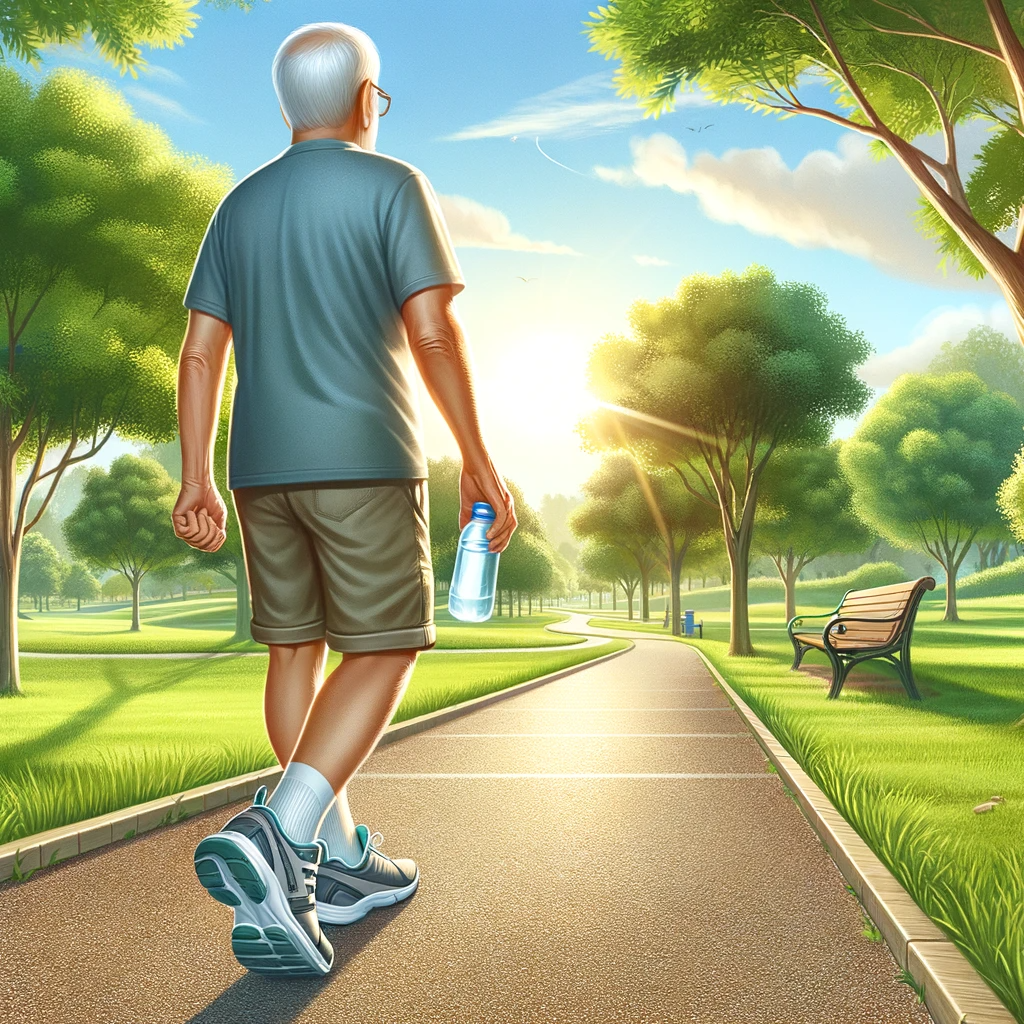
Safety is crucial, especially for us as we age. It’s important to choose the right footwear to prevent discomfort and injuries and to stay hydrated. We also need to be mindful of different weather conditions and terrains to ensure a safe walking experience.
Personal Stories and Testimonials
I’ve read about so many inspiring stories from people who have transformed their health and lives through walking. It was because of those stories that I started my own journey with walking. Those personal accounts were a testament to the power of this simple activity and serve as motivation for anyone looking to start their walking journey.
If you have had a similar experience, I would love to hear about it!
My Thoughts
Walking offers numerous benefits for our health and well-being, especially as we age. I encourage everyone to take that first step towards a healthier and longer life. It’s a simple, yet incredibly effective way to stay fit and enjoy our later years to the fullest.





Leave a Comment