Aging & Longevity
Introduction to Aging and Longevity
Welcome to my journey of Aging & Longevity. As you’ll find, I’ve created this blog to be a sort of guide for myself on this journey, as well as to document myself. As we pass through the various stages of life, it’s crucial to appreciate and maximize each moment. For me, Aging & Longevity aren’t just about adding years to our life, but also life to our years. It encompasses nurturing our healthspan-the period during which we are healthy and active-as well as our lifespan-how long we live.

The Science Behind Aging
Aging is a multifaceted process that goes beyond the mere passage of time. It’s a biological journey marked by intricate changes at the cellular and molecular levels. As we age, our cells experience a reduction in their ability to repair damage, leading to the gradual decline in physical and cognitive functions. This biological aspect of aging is influenced by various factors, including genetics, environmental exposures, and lifestyle choices. The accumulation of cellular damage over time contributes to the aging process, manifesting in visible signs like wrinkles and gray hair, as well as internal changes affecting organs and bodily systems.
Parallel to these biological changes, aging impacts us psychologically. It’s a time of significant transitions: shifting roles in society and family, changes in physical capabilities, and reflections on life achievements and unfulfilled dreams. This psychological dimension of aging can influence one’s sense of self and place in society. Adapting to these changes often requires a reevaluation of identity and purpose. The way individuals cope with these psychological aspects of aging can significantly affect their overall well-being and quality of life during their later years. Understanding and addressing both the biological and psychological aspects of aging are crucial for a holistic approach to aging gracefully.

Suggested Link: For a deeper understanding, readers might find it beneficial to explore resources that delve into the biology of aging, such as the National Institute on Aging’s website National Institute on Aging, which offers comprehensive insights into the science of aging and practical tips for healthy aging.
Longevity and Lifespan
Longevity, the length of an individual’s life, is a complex interplay of various elements that go beyond mere genetic predisposition. While it’s true that genetics play a significant role in determining lifespan, they are not the sole arbitrators. Lifestyle choices such as diet, exercise, stress management, and social engagement have a profound impact on how long and how well we live. These choices can either accelerate or decelerate the aging process, affecting our healthspan — the period of life spent in good health. For instance, a diet rich in antioxidants and low in processed foods can mitigate the risk of chronic diseases, while regular physical activity can improve both physical and cognitive health, crucial for a longer, healthier life.
Moreover, recent studies have shown that the environment and personal habits can influence gene expression, a concept known as epigenetics. This means that our daily choices can actually alter how our genes work, potentially leading to a longer and healthier life. It’s not just about adding years to life, but life to those years, ensuring that our later years are spent in vigor and vitality. Therefore, understanding and implementing healthy lifestyle choices is key to not just extending lifespan but also enhancing the quality of that extended life.
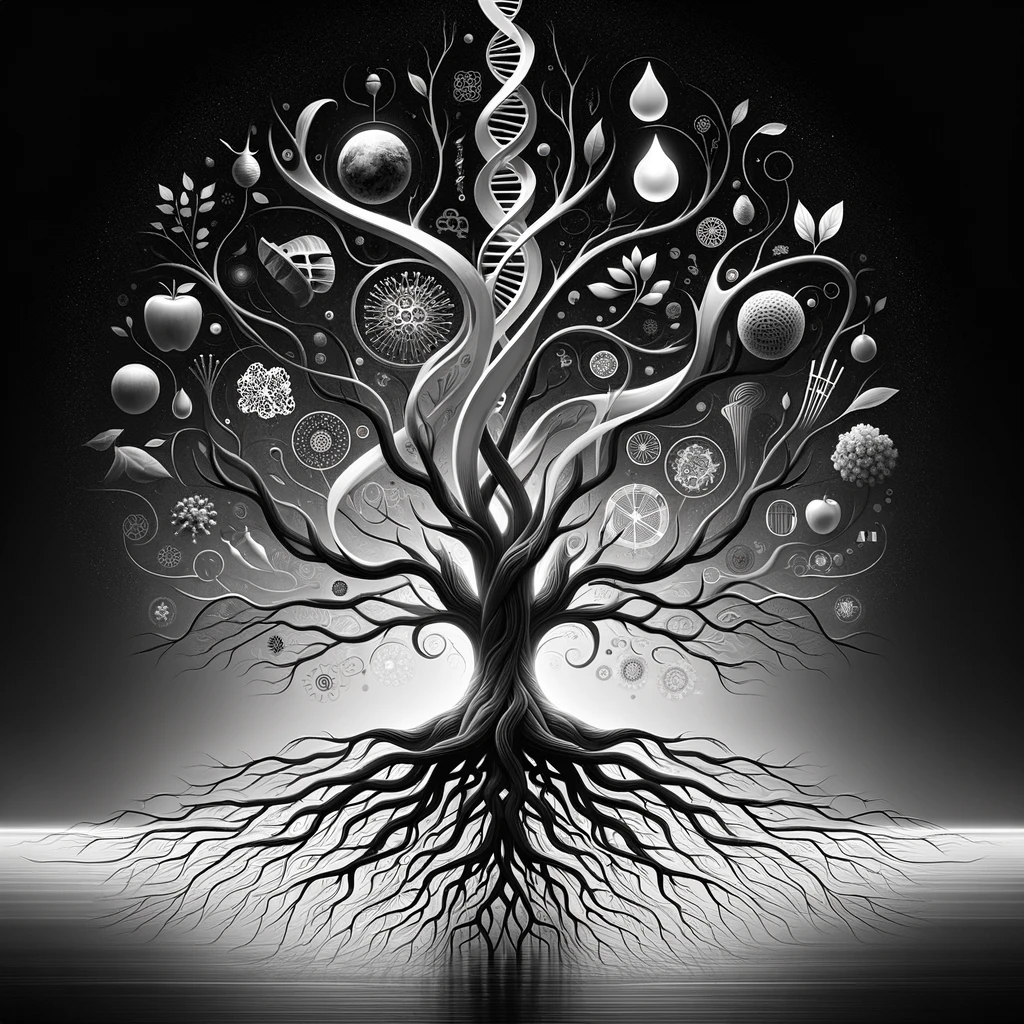
Readers interested in learning more about how lifestyle choices impact longevity can visit the Harvard School of Public Health’s resource on Healthy Living Harvard School of Public Health – Healthy Living. Additionally, for insights into the latest research on epigenetics and longevity, the Genetics Home Reference guide provided by the U.S. National Library of Medicine offers valuable information Genetics Home Reference – U.S. National Library of Medicine.
Strategies for Healthy Aging
Adopting healthy habits is fundamental to aging gracefully. A balanced diet, crucial for this journey, should be rich in fruits, vegetables, whole grains, lean proteins, and healthy fats. This kind of diet provides essential nutrients that support overall health, reduce the risk of chronic diseases, and aid in maintaining a healthy weight. Antioxidant-rich foods, in particular, can combat oxidative stress, a key factor in the aging process. Hydration also plays a critical role; adequate water intake is essential for digestion, skin health, and maintaining cognitive functions. Alongside diet, regular physical activity is indispensable. Exercise not only strengthens the body and improves cardiovascular health but also boosts mental well-being. Activities like walking, swimming, yoga, or even light resistance training can significantly improve mobility, flexibility, and balance, reducing the risk of falls and injuries in older adults.
Mental health is another cornerstone of healthy aging. Engaging in social activities, pursuing hobbies, and cognitive exercises like puzzles and reading can keep the mind active and sharp. Mental well-being also encompasses managing stress, which can be achieved through mindfulness practices, meditation, and adequate sleep. It’s also important to stay connected with friends and family, as social interactions can stave off feelings of loneliness and depression, common in later years. Regular health check-ups and screenings are vital too, as they can help in early detection and management of any potential health issues.

Suggested Links: For more detailed guidance on a healthy diet for aging, the Mayo Clinic offers a comprehensive guide Mayo Clinic – Nutrition and Healthy Eating. For those interested in exploring various physical activities suitable for older adults, the National Institute on Aging provides excellent resources National Institute on Aging – Exercise and Physical Activity. Additionally, the American Psychological Association has valuable information on managing stress and mental health American Psychological Association – Managing Stress.
Lifestyle Choices and Longevity
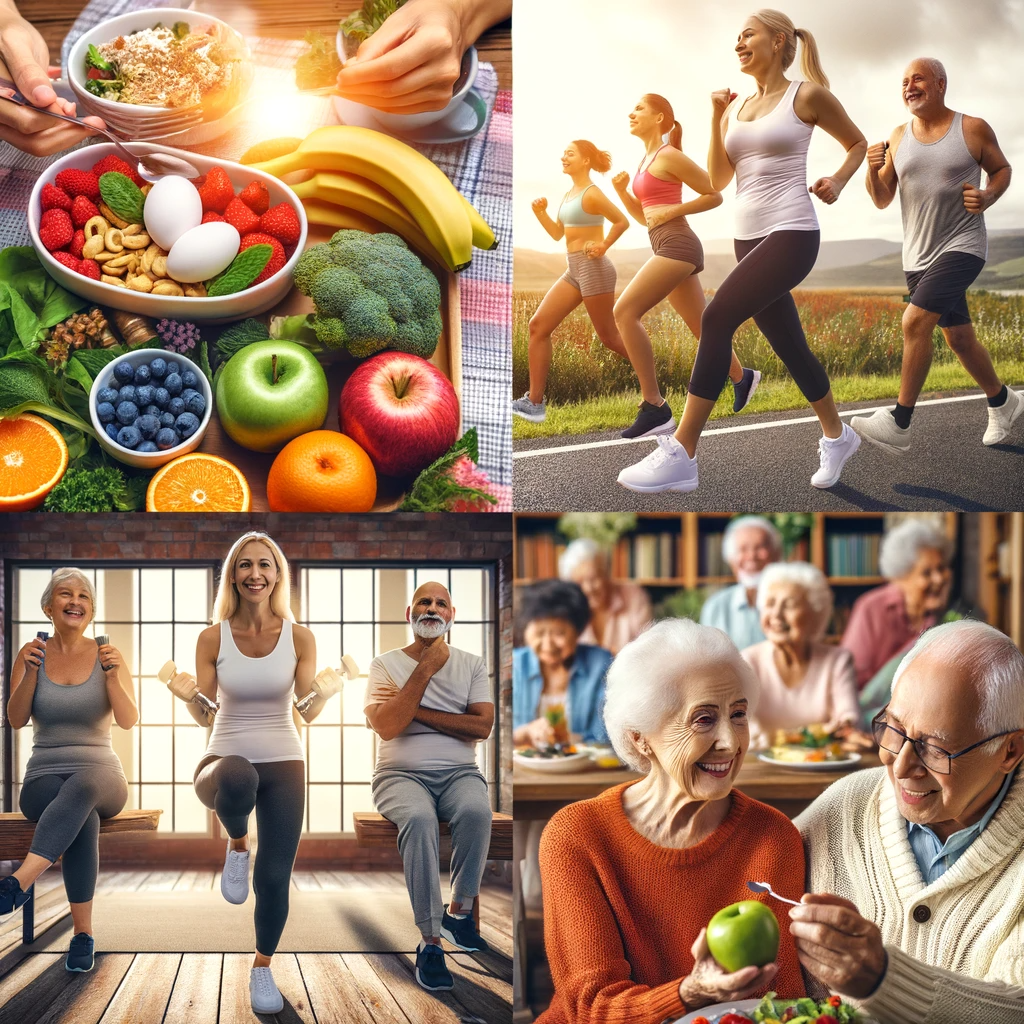
The role of lifestyle choices in influencing longevity cannot be overstated. Daily habits, especially those related to diet, exercise, and stress management, play a pivotal role in determining not only how long we live but also the quality of our life in later years. A diet rich in fruits, vegetables, whole grains, and lean proteins, while low in processed foods and sugars, can significantly reduce the risk of chronic diseases like heart disease, diabetes, and certain cancers, all of which are known to impact lifespan. Similarly, regular physical activity, encompassing both aerobic and strength training exercises, is crucial for maintaining muscle mass, bone density, and cardiovascular health, all key components of healthy aging. Physical activity also has mental health benefits, including reducing the risk of depression and cognitive decline.
Equally important is stress management. Chronic stress can accelerate the aging process by affecting cellular health and has been linked to numerous health issues. Effective stress management techniques, such as mindfulness, meditation, and adequate sleep, can mitigate these effects and promote a healthier, longer life. Additionally, maintaining strong social connections and engaging in activities that bring joy and fulfillment can improve overall well-being and longevity. It’s the cumulative effect of these daily choices that shapes our aging trajectory. By adopting healthier lifestyle habits, we can positively influence our biological aging process and enjoy a more vibrant and fulfilling old age.
Suggested Links: For more information on the impact of diet on longevity, readers can explore resources like the Harvard T.H. Chan School of Public Health’s Nutrition Source Harvard T.H. Chan School of Public Health – Nutrition Source. For insights into the benefits of physical activity and practical tips on staying active, the World Health Organization provides useful guidelines World Health Organization – Physical Activity. Additionally, the American Psychological Association offers valuable resources on managing stress for a healthier life American Psychological Association – Stress.
The Psychological Aspects of Aging
Aging is as much a mental journey as it is a physical one. As individuals age, they often face significant changes not only in their physical capabilities but also in their roles in society and personal relationships. Adapting to these changes is crucial for mental well-being in later years. This adaptation involves accepting and embracing new life stages, which can include retirement, the empty nest syndrome, and shifting from being caregivers to receiving care. Mental agility, a key component of cognitive health, is also critical during this phase. Engaging in activities that stimulate the brain, such as learning new skills, hobbies, reading, or even challenging puzzles, can help maintain cognitive functions. These activities not only provide a sense of accomplishment and joy but also help in keeping the mind sharp and potentially delay the onset of age-related cognitive decline.
Moreover, maintaining emotional health is equally important. It’s common for older adults to experience feelings of loneliness or loss, which can impact mental health. Staying socially active, nurturing relationships with family and friends, and participating in community activities can provide emotional support and a sense of belonging. Mental health can also be bolstered by regular physical exercise, which not only benefits the body but also has a positive impact on mood and stress levels. Additionally, seeking support when needed, whether through counseling, support groups, or talking with loved ones, is vital in navigating the mental challenges of aging. Embracing the mental aspect of aging with a proactive and positive approach can lead to a more fulfilling and enjoyable older age.

Suggested Links: For those seeking more information on mental agility and cognitive health, the Mayo Clinic offers insightful resources Mayo Clinic – Healthy Aging. To explore strategies for emotional well-being in older adults, the World Health Organization provides useful guidelines and resources.
Community and Social Connections
The importance of community and social connections in the aging process is profound. As individuals age, the risk of isolation and loneliness can increase, particularly after retirement or the loss of a spouse. Staying socially engaged, however, can have significant positive effects on both mental and physical health. Social connections provide emotional support, help in coping with life’s changes, and can even have a protective effect against health issues like dementia and depression. Engaging with the community, whether through volunteer work, joining clubs or groups based on interests, or participating in local events, can foster a sense of belonging and purpose. This is especially important in combating the sense of isolation that can sometimes accompany aging. Furthermore, maintaining relationships with family and friends, and even forming new friendships, enriches the older years with joy and mutual support.
The role of technology in maintaining these connections has also become increasingly significant. Digital communication tools like social media, video calls, and online communities can help bridge the distance between family members and friends, making it easier for older adults to stay connected with their loved ones. Additionally, many communities offer senior centers or programs specifically designed for older adults, providing opportunities to meet peers and engage in a variety of activities. These social interactions are not just a source of entertainment; they play a crucial role in keeping the mind active and engaged, boosting emotional well-being, and improving the overall quality of life in later years.

Suggested Links: For more insights into the importance of social connections in later life and how to foster them, AARP offers a wealth of resources AARP – Social Connections. Additionally, the National Council on Aging provides information on community engagement and activities for seniors National Council on Aging – Social Engagement.
Financial Struggles of an Aging Population
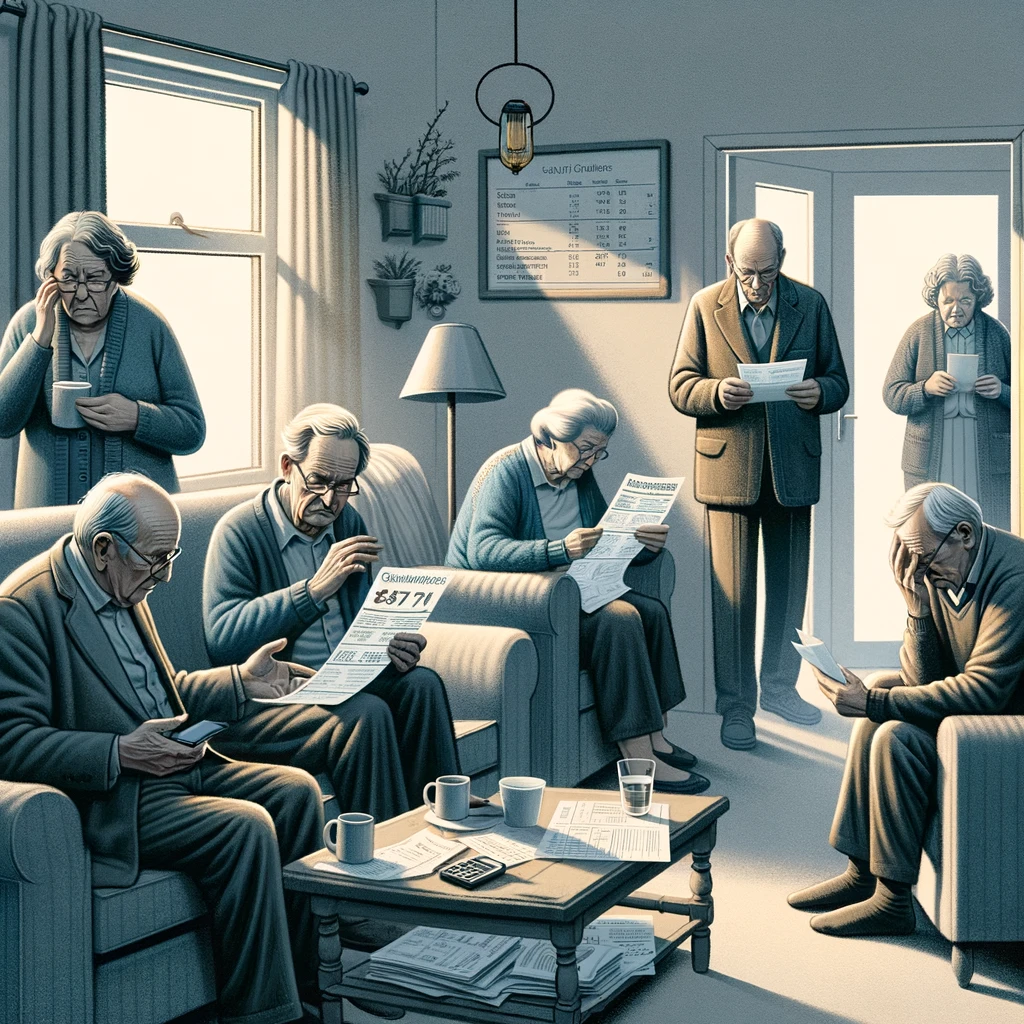
The financial challenges facing the aging population are becoming increasingly critical. With limited savings and fixed incomes, many seniors struggle to cope with rising living costs and healthcare expenses. This situation is compounded by the erosion of traditional pension benefits and the inadequacies of social security systems, which often fail to keep pace with inflation. Consequently, many elderly individuals face tough choices, such as compromising on healthcare or reducing essential spending.
In response to these economic pressures, a growing number of seniors are turning towards living frugally and pursuing self-sufficiency as viable strategies. Embracing a frugal lifestyle involves careful budgeting, prioritizing essential expenses, and cutting unnecessary costs. Additionally, self-sufficiency practices, such as growing one’s own food or utilizing community resources, can significantly reduce living expenses. These approaches not only provide financial relief but also foster a sense of empowerment and independence among the elderly. Ultimately, addressing these financial struggles requires a combination of individual strategies, community support, and policy reforms aimed at ensuring a dignified and secure life for our aging population.
Suggested Links:
- AARP – Money Management: AARP offers extensive resources on managing finances for seniors, including tips on budgeting, saving, and retirement planning. AARP – Money Management
National Council on Aging – Economic Security: This website provides information on programs and services available to help older adults maintain economic security and independence. National Council on Aging – Economic Security
Senior Living – Guide to Self-Sufficiency: This resource offers guidance and tips for seniors looking to embrace a more self-sufficient lifestyle. Senior Living – Self-Sufficiency Guide
Medicare.gov – Understanding Medicare Costs: Essential for seniors to understand their healthcare costs and options under Medicare. Medicare – Costs
Feedspot – Top Frugal Living Blogs: A list of popular blogs about frugal living, offering daily tips and inspiration for cutting costs and saving money. Feedspot – Frugal Living Blogs
Social Security Administration – Retirement Benefits: Official information on social security retirement benefits, crucial for seniors’ financial planning. Social Security Administration – Retirement
Anti-Aging Products and Industry
The anti-aging market is flourishing, showcasing an extensive variety of products and treatments aimed at combating the signs of aging. This industry spans from topical skincare products, such as creams and serums designed to diminish wrinkles and enhance skin elasticity, to more aggressive approaches like Botox injections and cosmetic surgeries. These products and treatments cater to a growing demand for solutions that not only slow down the aging process but, in some cases, claim to reverse it. However, consumers need to navigate this market with discernment. While certain products can effectively target specific aging concerns, not all live up to their claims, and some may be costly without offering substantial benefits. It’s important for consumers to do thorough research on the active ingredients in these products, understand their proven benefits, and be aware of any potential side effects.
Additionally, the anti-aging industry now extensively incorporates dietary supplements, which have become a significant component in the pursuit of youthfulness and vitality. Supplements like collagen, resveratrol, coenzyme Q10, and various vitamins and minerals are marketed for their potential anti-aging effects, from improving skin health to enhancing energy levels. Like topical products, the efficacy of these supplements varies, and they should be used to complement a healthy lifestyle rather than as a standalone solution.
When considering anti-aging treatments, whether topical, surgical, or supplemental, consulting with healthcare professionals, including dermatologists and nutritionists, is key. They can offer tailored advice based on an individual’s specific skin type, health status, and nutritional needs. Consumers should also be critical of the anti-aging industry’s marketing tactics and seek unbiased, scientifically backed information. This industry often capitalizes on societal pressures to maintain a youthful appearance, which raises ethical questions about the impact on mental health and self-perception, especially among older adults.
In finding a balance between utilizing anti-aging products and embracing natural aging, it’s crucial to focus on overall well-being, considering both the physical and psychological aspects. The goal should be to age healthily and confidently, with or without the aid of anti-aging products.

Suggested Links:
- American Academy of Dermatology for advice on anti-aging skincare American Academy of Dermatology – Anti-aging Products
- https://www.aad.org/public/everyday-care/skin-care-basics/care/skin-care-in-your-40s-and-50s
- & https://www.aad.org/public/everyday-care/skin-care-basics/care/skin-care-in-your-60s-and-70s
- National Institutes of Health – Office of Dietary Supplements: This link provides detailed information on various dietary supplements, including those commonly used in anti-aging products like collagen and resveratrol. It offers research-based information on the benefits, risks, and efficacy of these supplements. National Institutes of Health – Office of Dietary Supplements
.
Planning for Old Age
Proactive planning for old age is a multi-faceted process that requires careful consideration and ongoing adjustments to ensure a comfortable and secure retirement. Financial planning is one of the cornerstones of this process. It involves developing a comprehensive retirement plan that encompasses savings, smart investments, understanding various retirement income sources like pensions, social security, and any passive income streams, and budgeting to account for future needs, including potential increases in healthcare costs. It’s also prudent to maintain an emergency fund to cover unexpected expenses. In addition to financial planning, prioritizing health is crucial. This means regular health check-ups, understanding and adjusting health insurance coverage as needed, and maintaining a healthy lifestyle through diet, exercise, and mental health care, which are essential for physical and cognitive well-being. As life expectancy increases, considering long-term care options becomes increasingly important, including potential in-home care or assisted living facilities.
On the legal front, comprehensive estate planning is critical. This includes setting up a will to ensure that assets are distributed according to one’s wishes, establishing trusts if necessary for more complex estate planning needs, designating a power of attorney to make financial and legal decisions if one is unable, and creating advance healthcare directives to dictate medical care preferences in case of incapacity. These legal documents should be regularly reviewed and updated to reflect changes in life circumstances, financial status, and family dynamics. By addressing these financial, health, and legal aspects, individuals can create a solid foundation for their later years, ensuring that they not only have the resources and care they need but also that their personal wishes and needs are respected and followed.

Suggested Links: For comprehensive guidance on retirement planning, the U.S. Department of Labor offers valuable resources U.S. Department of Labor – Retirement Plans, Benefits & Savings. Health-related planning information can be found on the National Institute on Aging website National Institute on Aging – Health Information.
Embracing Aging: My Personal Journey and Experiences
Welcome to my blog, where I delve into the personal and often intimate journey of aging gracefully. This space is more than just a collection of posts; it’s a canvas of my life’s story, woven through the experiences and lessons learned while embracing the advancing years. My goal is to share not just the triumphs but also the challenges that come with aging, offering a genuine and heartfelt perspective. Through my stories, I hope to create a connection with you, my readers, as we explore the various facets of growing older. Whether it’s discussing the importance of health and wellness, the impact of social connections, or the emotional transitions that come with age, each post is crafted with the intention of providing both guidance and comfort.
In this blog, you will find a blend of practical advice and personal anecdotes, all aimed at helping you achieve a fulfilling and dignified aging process. I touch upon topics such as maintaining physical health, nurturing mental well-being, and embracing the changes that come with each passing year. My journey towards a Level 10 life – a life of maximum fulfillment and joy – is filled with insights on how to live each day with purpose and enthusiasm. I invite you to join me in this exploration, to share your own experiences, and to find inspiration in the stories and lessons that life offers. Together, we can navigate the beautiful complexity of longevity and age with elegance and poise.

My Thoughts
This article is just the beginning. Upcoming posts will delve deeper into these topics, offering more resources and knowledge. Through understanding, planning, and embracing a healthy lifestyle, we can hope to age with grace and live a long, fulfilling life.

Things to Ponder:
- What are the key factors that influence how we age?
- How can diet and exercise impact our aging process?
- What role does mental health play in aging?
- How can we stay socially connected in our older years?
- What should we consider when planning for old age?