
**Disclaimer:**
“The information provided in this blog post is for educational purposes only and is not intended as a substitute for professional medical advice, diagnosis, or treatment. Always seek the advice of your physician or another qualified mental health provider with any questions you may have regarding a medical condition.”
“Some of the links below are affiliate links, meaning at no additional cost to you, I may earn a commission if you click through and make a purchase”
*Update (Jan 2, 2025):
I’ve had to make a bit of a change to my exercise plan due to health reasons, specifically, I apparently seem to have some form of AFIB. So I’m starting my bodyweight exercises in modified forms, and at least for the time being will not be working on my VO2 training. I am going to see what I can do cardio wise using my exercise bike, but I’m not going to try pushing it in any way at this time.
I. Introduction: Why This Plan Works for Me
Now in my 50’s, I’ve realized that taking care of my body is no longer optional. Recovering from setbacks—like weight gain or falling off an exercise routine—can feel tougher than it did in my 20s or 30s. Time feels more precious, and the wear and tear on my body is more noticeable. But these challenges also motivate me to be more intentional. Each healthy choice feels like an investment in many more active, fulfilling years ahead.
(Click here to read my post of my decision to start over in life, Starting Over after 50 .)
When I began improving my physical health, I knew I needed a workout routine that would fit into my life. My job already keeps me on my feet for hours, so I looked for exercises to complement that baseline activity—without feeling overwhelmed. Years ago, a simple bodyweight routine worked wonders for me. This time, I’m adding a few new elements, like Japanese radio exercises and VO2 max training, to broaden my approach. The goal remains the same: a flexible, beginner-friendly plan that enhances strength, flexibility, and balance, and ultimately helps me feel more capable and comfortable in daily life.
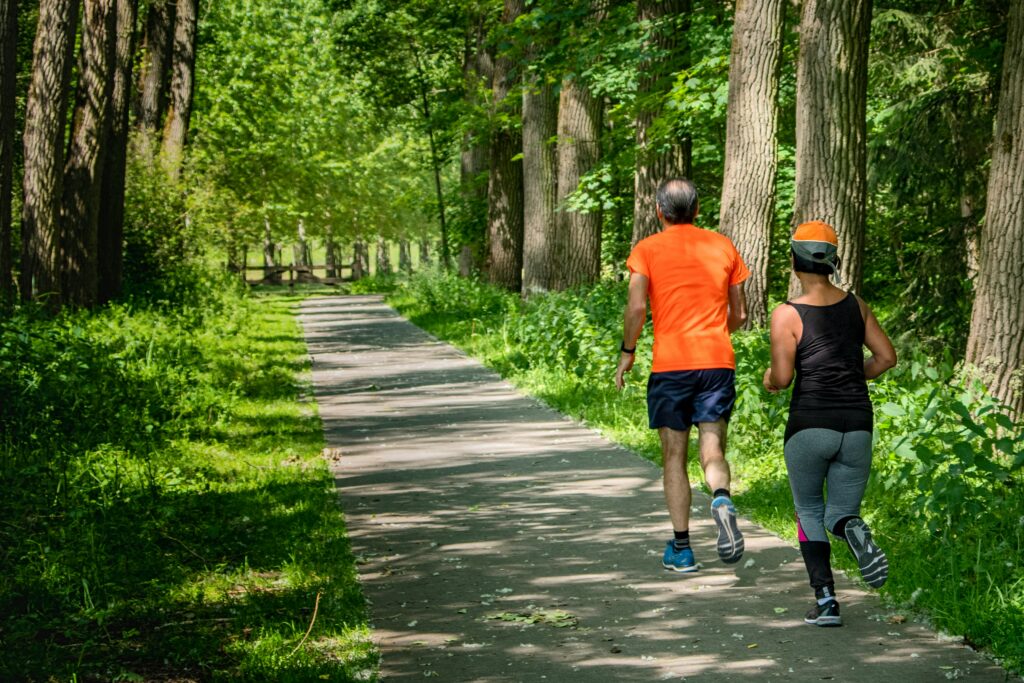
II. Warming Up: Japanese Radio Exercises (Rajio Taiso)
What It Is: Rajio Taiso is a short, guided warm-up routine popular in Japan, often broadcast on the radio. The movements focus on gently mobilizing joints, stretching key muscle groups, and promoting better circulation, all set to a consistent tempo.
Why I Use It: This quick routine helps me transition from a resting state to an active one. It wakes up my muscles, gets blood flowing, and sets a positive, energetic tone for the rest of my workout (or workday). On days when I’m low on energy, Rajio Taiso might be the only formal exercise I do besides my everyday walking—and that’s fine!
How to Get Started:
Pick a Video to Follow:
- I’ve bookmarked three YouTube videos that guide you through each step in sync with the traditional music. These are short (around 3 minutes each) and easy to follow visually—even if you don’t understand Japanese.
- Tip: Search “Rajio Taiso English subtitles” if you prefer instructions you can read along with.
Set Your Stance:
- Stand with your feet about shoulder-width apart.
- Keep your knees soft (not locked) and maintain an upright posture.
- If you have balance concerns, make sure you’re near a wall or sturdy chair for support.
Follow the Music and Movements:
- Each exercise starts and stops with the musical cues, so let the music guide you.
- You’ll do gentle arm swings, twists, and bends that target different muscle groups.
- Don’t worry about perfecting every move the first time—just focus on moving fluidly and comfortably.
Focus on Range of Motion, Not Intensity:
- The idea is to loosen up, not strain yourself.
- If a particular stretch feels tight, just go as far as is comfortable. Over time, you’ll naturally increase your flexibility.
Repeat and Memorize (Gradually):
- Doing Rajio Taiso most mornings (or any time you need a pick-me-up) can help cement the sequence in your mind.
- Repetition also helps you see improvements in coordination and flexibility.
By following these steps—and the videos you’ve found—you’ll be able to incorporate Rajio Taiso into your daily or weekly routine without overthinking it. Think of it as a gentle nudge to your muscles and joints, preparing you for a more strenuous workout or simply helping you stay limber throughout the day.
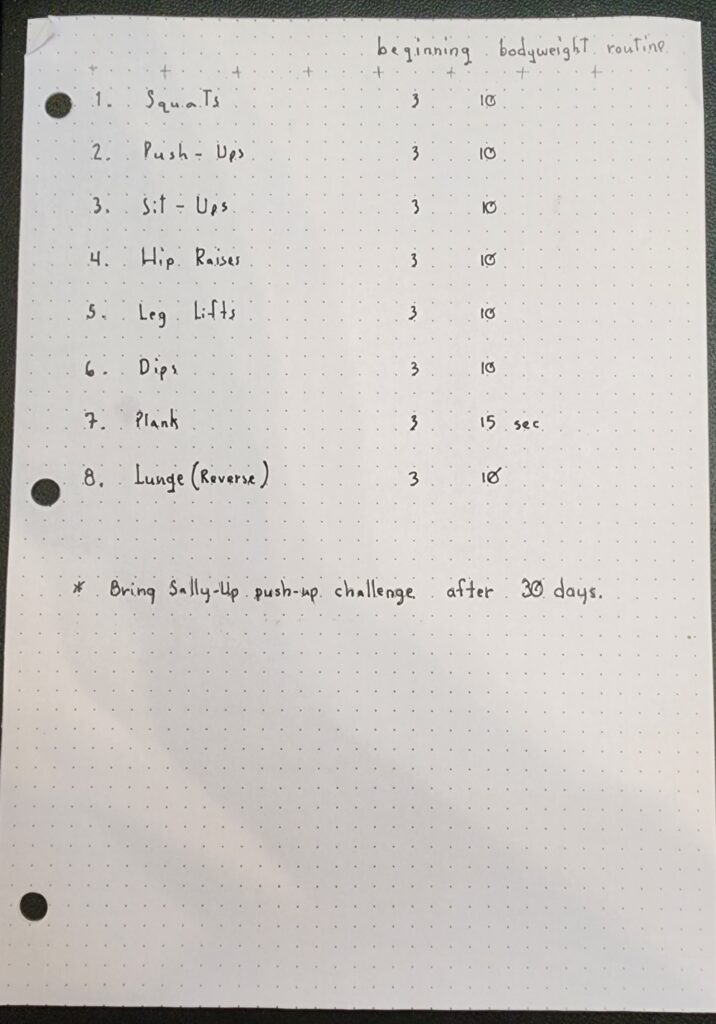
III. Strength Training: Simple Bodyweight Exercises
When I first decided to lose weight after quitting smoking years ago, I had no gym access and no fancy equipment. Calisthenics became my go-to because they were simple, flexible, and beginner-friendly. I’m using the same exercises now:
- Squats: Great for legs and glutes. Start with shallow squats and gradually go deeper.
- Push-Ups (or Incline Push-Ups): Ideal for upper body and core. Beginners can start against a wall or use a table edge.
- Sit-Ups: Focuses on strengthening your abdominal muscles.
- Hip Raises (Glute Bridges): Strengthen the posterior chain and can help relieve lower back tension.
- Leg Lifts: Targets your lower abs and hip flexors.
- Dips: Helps strengthen your triceps, chest, and shoulders.
- Planks: Core stability exercise that helps improve posture and reduce lower back strain. Begin with short 10-20 second holds and increase as it gets easier.
- Lunges: Great for building strength & stability in your legs and glutes.
Progressing Over Time:
- Beginner Level: Maybe just 5 reps per exercise, once or twice through.
- After a Few Weeks: Increase to 10 reps, and then to multiple sets. I once struggled with proper-form push-ups, so I began with a modified form and built up slowly.
- Long-Term Goal: Eventually, I’d like to try the “Bring Sally Up” challenge as a fun milestone. Also, I will eventually start working in pull-ups, but that will be awhile I think. Have to see how my strength builds.
IV. Cardio
Workday Walking as a Base
I’m on my feet for up to eight hours daily, which provides a low-intensity cardio foundation. However, I want more structured sessions to gradually boost my endurance.
Focusing on Zone 2
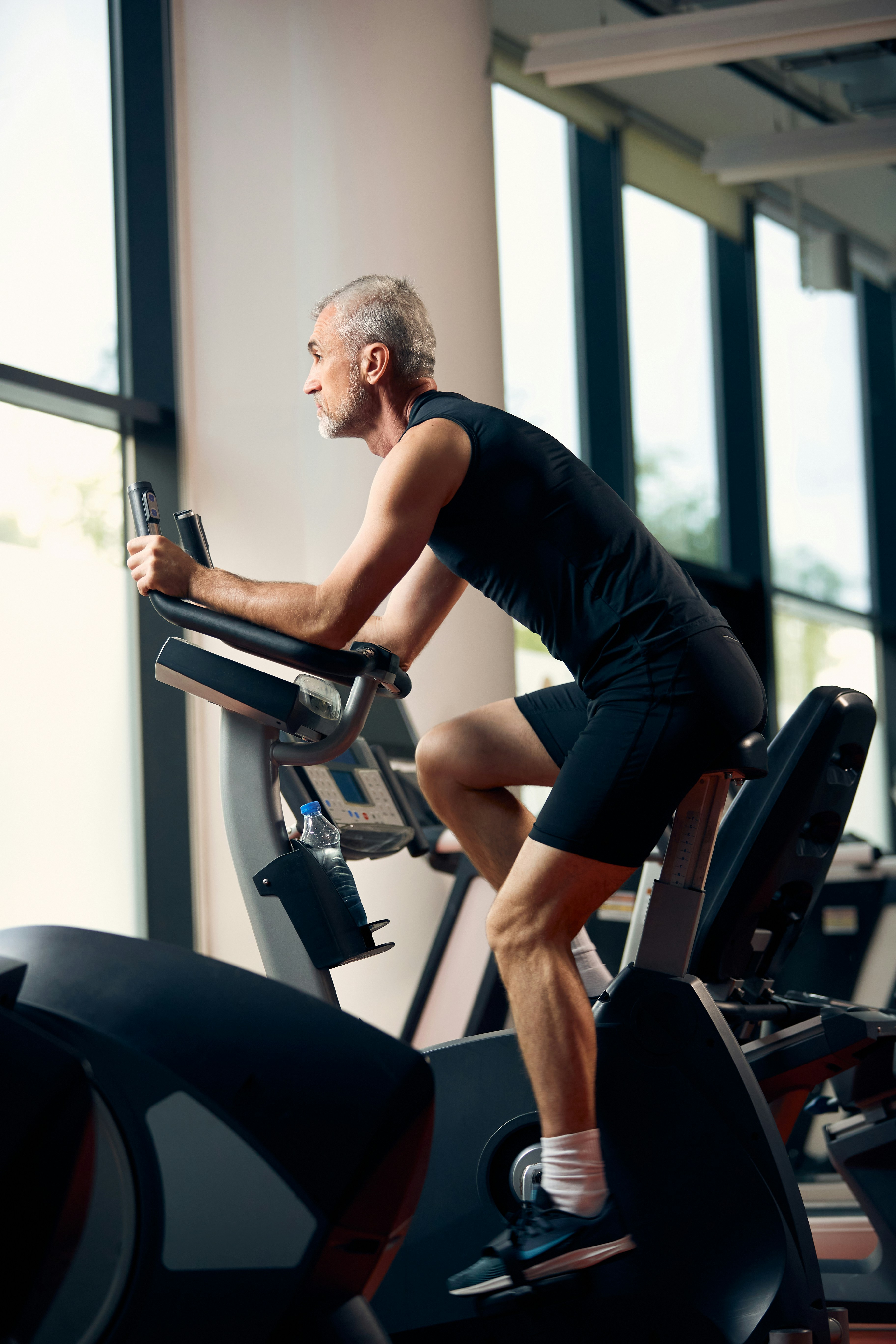
I’ll begin by keeping my heart rate around 60–70% of its max—often called “Zone 2.” Brisk walks or easy pedaling on a bike will help me strengthen my aerobic capacity without overtaxing my body. If that becomes too easy, I might wear a light rucksack at work or spend longer on the bike for extra challenge.
Gentle Bike Sessions for Knee Health
I plan to do short, low-resistance rides to help lubricate and strengthen my knees. These sessions are less about hitting high heart rates and more about maintaining comfortable movement to reduce stiffness or pain.
Adding Higher Intensities Later
Once I’ve built a solid base and my knees feel good, I’ll consider short bursts of near-max effort (Zone 5) to further improve my VO2 max. I’ll only push harder when I’m confident my body is ready.
Listening & Adapting
If my knees act up or fatigue sets in, I’ll scale back. Consistency is key, but not at the expense of injury or burnout. By staying flexible and aware, I can safely improve my cardio fitness over time.
If you’re interested, click HERE to visit Amazon and see the exercise bike I’m using. This is my affiliate link to Amazon for the same exercise bike that I use.
V. Flexibility and Balance:
I’ve noticed a loss in flexibility and balance compared to my younger years. Improving these areas will help prevent injury and make everything else feel smoother.
Stretching
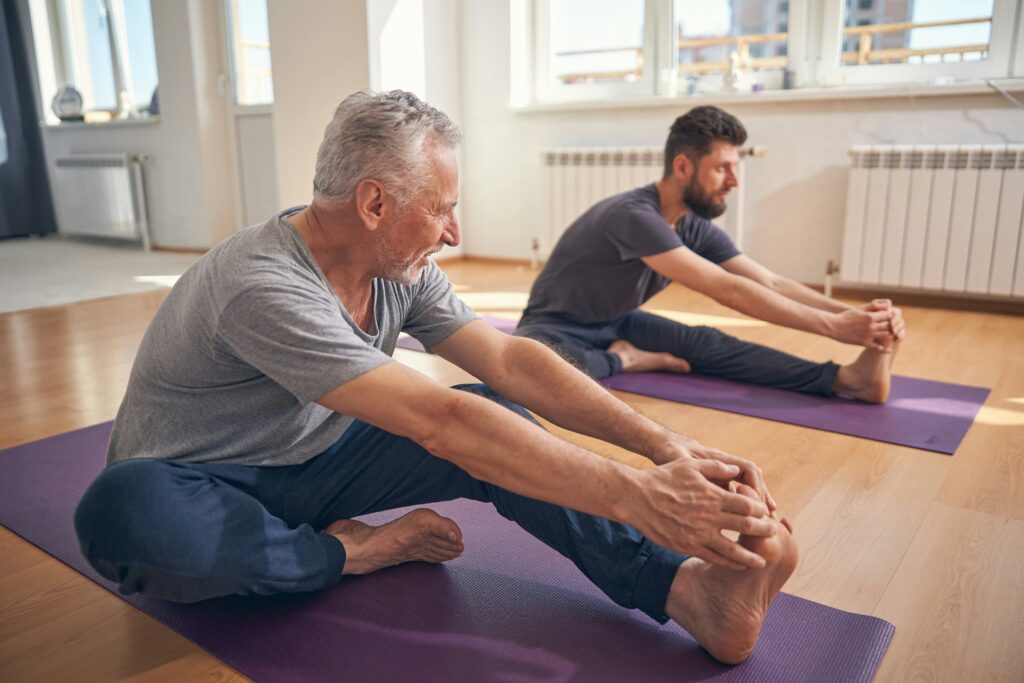
- Post-Workout Stretching: After my strength training, I plan to spend time stretching major muscle groups—hamstrings, calves, chest, shoulders. Holding .each stretch for about 20-30 seconds helps maintain and gradually improve flexibility
Yoga :
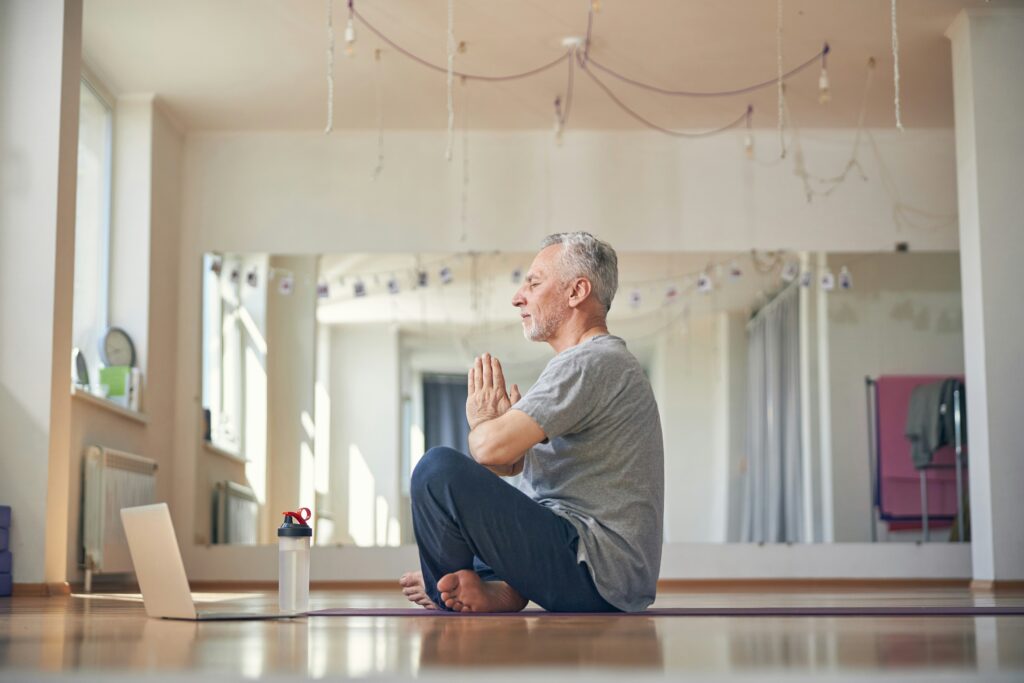
Yoga is completely new to me and something I’m having to try to teach myself. Luckily there is a lot of information on the internet. I’ve included a link to a video on youtube that I found that I plan on trying to start with. This one does seem a little fast to me, perhaps because it is so new, but I’m going to give it a go.
Looking up “beginner yoga routine” on google brought back so many results that all seemed somewhat different. I did find two that I think I’ll try to work into after I’ve done the one in the video for awhile and feel comfortable with it.
- Benefits: Yoga not only enhances flexibility but also helps calm the mind and improve body awareness.
V. Balance Training: Steadying Myself for Everyday Life
Why It Matters:
As we get older, maintaining good balance is crucial for preventing falls and staying active. Simple exercises can strengthen stabilizing muscles, improve coordination, and boost confidence—important whether you’re walking around the house or out running errands.
My Approach to Better Balance:
I’m starting with basic drills and gradually progressing to more challenging moves as I feel comfortable. Here are the ones I’m focusing on:
Single-Leg Balance
- How: Stand behind a chair or next to a wall for support. Lift one foot off the floor and hold the position for 15–30 seconds.
- Progression: As you improve, try balancing without holding on, or extend your raised leg forward for an extra challenge.
- Why: Strengthens legs and core muscles, improving stability in daily activities.
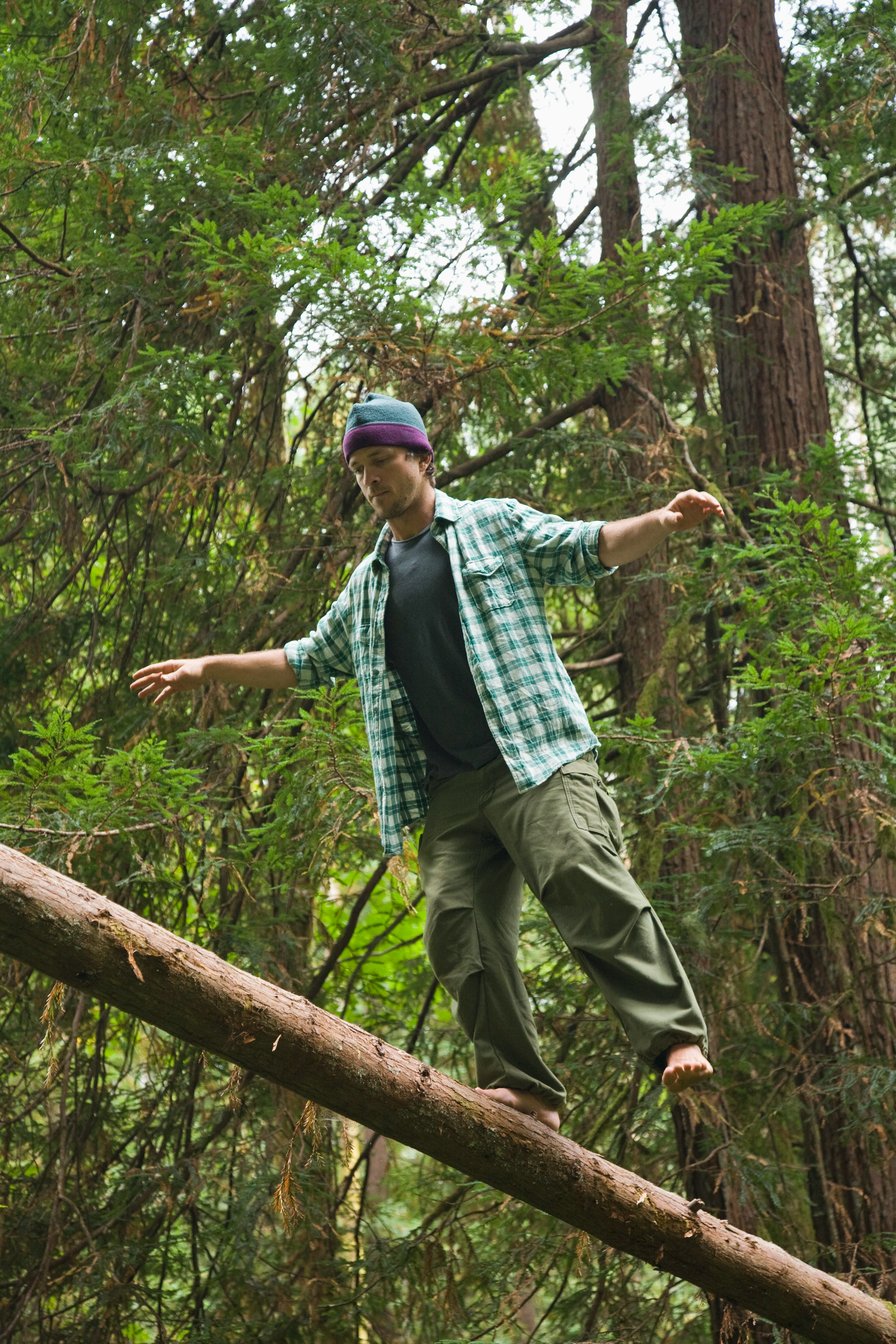
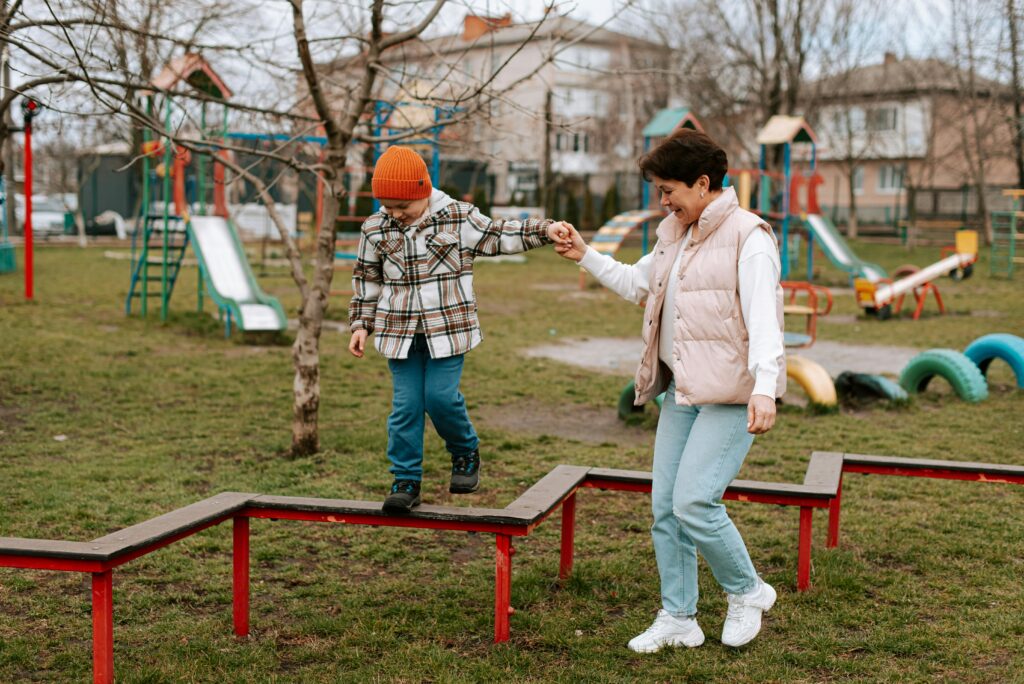
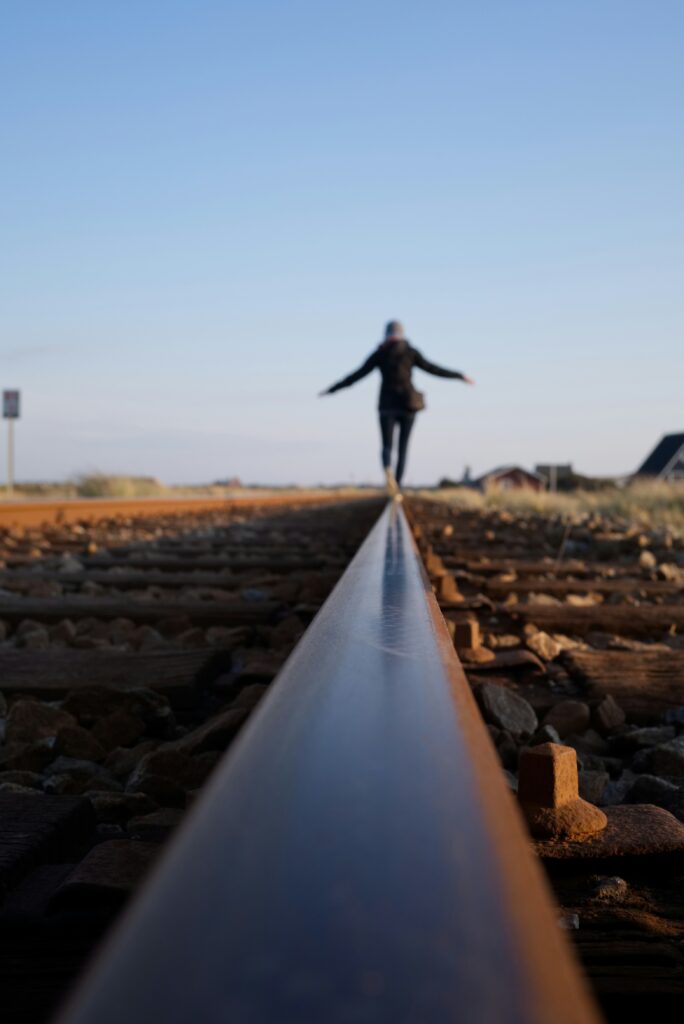
Heel-to-Toe (Tightrope) Walk
- How: Extend your arms out to the sides for balance. Place one foot directly in front of the other, so that your heel touches the toes of your other foot. Take about 5–10 steps, turn around carefully, and head back.
- Progression: Slow down each step and pause for a count of five with each raised foot to further improve control.
- Why: Enhances coordination and trains you to regain balance if you stumble.
Flamingo Stand
- How: Stand with feet shoulder-width apart and lightly touch a wall or chair for support. Lift one knee to hip level, hold for a few seconds, then lower and switch sides.
- Progression: Increase the height of your knee lift or the duration you hold it, and eventually let go of the wall for an extra challenge.
- Why: Strengthens hips and core while training your ability to recover if you trip.
Side Leg Raise
- How: Stand with feet shoulder-width apart, holding onto a chair. Slowly lift one leg out to the side without tilting your torso. Lower it back down and repeat. Switch legs after a set number of reps.
- Progression: Pause briefly with your leg extended, or try it without holding the chair when you’re more confident.
- Why: Strengthens the outer thighs and hips, which helps with lateral (side-to-side) balance.
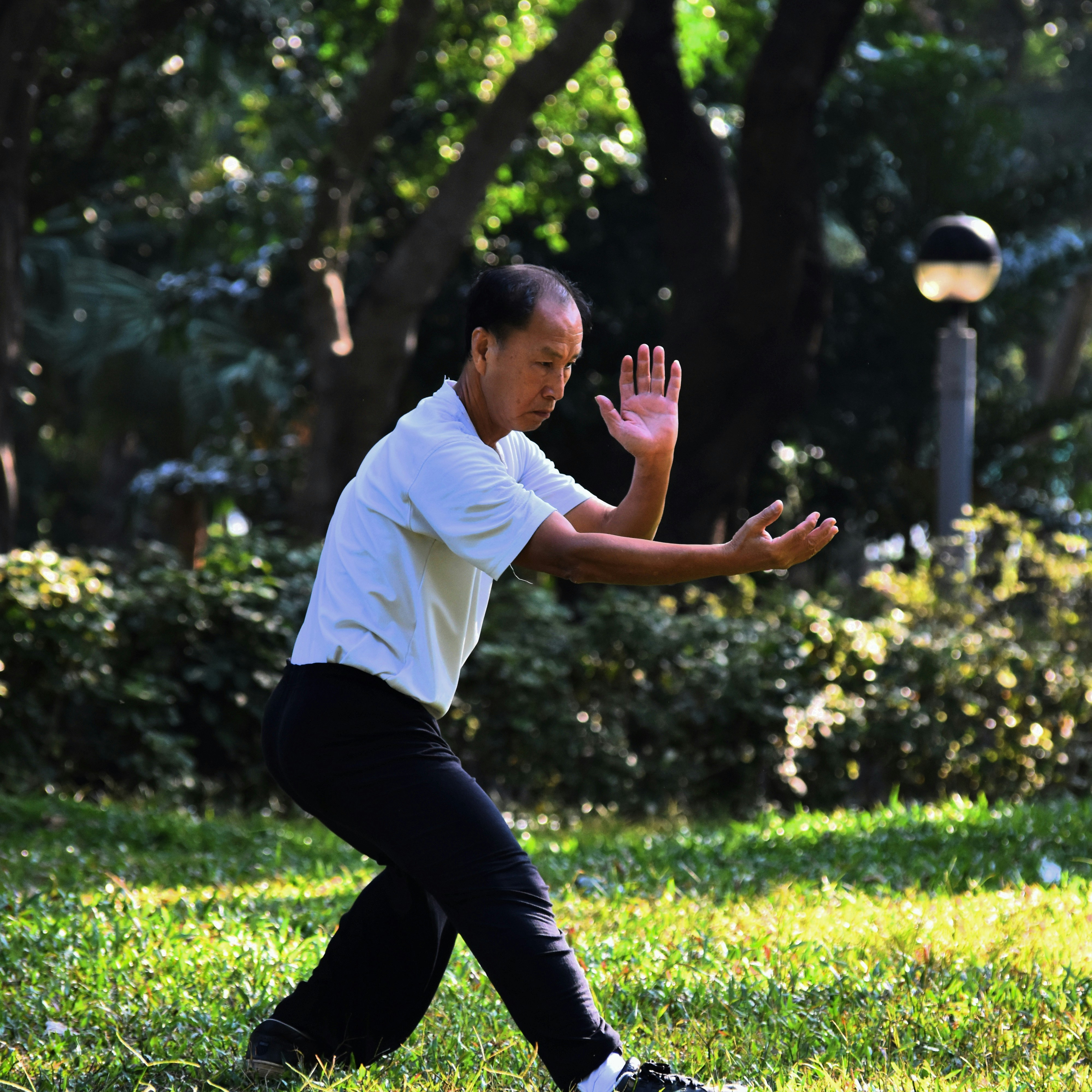
Tai Chi
- How: Tai Chi involves slow, controlled movements and deep breathing. Start by learning a basic routine—often called a “form”—from a beginner-friendly video or local class. The simple, flowing motions gently shift your weight from one foot to the other.
- Progression: As you become more comfortable, add new forms or deepen your stances slightly. Practice regularly to build muscle memory and strengthen your mind-body connection.
- Why: Tai Chi is renowned for improving balance and coordination, especially among older adults. It promotes calm focus and can help reduce stress while building lower-body strength and stability.
Safety First:
- Use Support: Keep a chair, wall, or sturdy furniture within arm’s reach until you feel stable.
- Don’t Rush: Slow, controlled movements reduce the risk of falling.
- Listen to Your Body: Stop if you feel pain or extreme discomfort, and talk to a healthcare provider if it persists.
Gradual Progress Over Time:
As my confidence grows, I’ll increase the duration or complexity of each move. The key is consistency—practicing these exercises most days of the week, even briefly, can make a big difference. Over time, better balance will help me stay on my feet and enjoy daily life without worrying about losing my footing.
VI. Scheduling and Consistency
Frequency:
Even though my work hours change through the week, I’m going to try to keep my exercise routine constant.
- Warm-Up & Strength: 3 times a week, Monday, Wednesday, & Friday I’ll do strength training. I’ll do the warm-up exercises(Japanese Radio Exercises) 6 days a week.
- Flexibility & Balance: These sessions will be done daily, some after my strength
- Cardio: With my job, 5 days a week I will have cardio in the form of walking on average 15,000 steps per day. On the days I do strength training I will also have cardio by using my exercise bike.
Adjusting as Needed:
Some weeks are busier than others. If I’m feeling sore or pressed for time, I might shorten a session or focus on just one type of exercise. Consistency is key, but flexibility in approach ensures I keep going instead of giving up when life gets hectic.
VII. Tracking Progress and Staying Motivated
- Small Wins: Noting that I can do a few more push-ups than last month or hold a plank 10 seconds longer always helped me stay motivated before.
- Listening to My Body: If something feels off, I scale back. If I have more energy, I push a bit harder.
- Long-Term Vision: I’m not aiming for a bodybuilding competition or a marathon. My goal is sustainable fitness: feeling strong, stable, and energized in daily life.
VIII. Conclusion: Building a Foundation for a Healthier Future
This exercise plan is about creating a stable foundation. By starting simple, warming up properly, gradually increasing intensity, and adding variety with flexibility and balance work, I’m hoping to ensure that my fitness journey is both achievable and rewarding. Over time, these small, consistent steps will add up, helping me enjoy a stronger, more resilient body as I continue pursuing a Level 10 Life.
Feel free to bookmark this page and refer back to it as you follow my journey. I’ll be updating my progress and sharing new tips along the way. For related health advice—nutrition, sleep strategies, and mindset—check out my other posts linked throughout the site.



Leave a Comment