
*Disclaimer*
“Some of the links below are affiliate links, meaning at no additional cost to you, I may earn a commission if you click through and make a purchase”
**Disclaimer:**
The information provided in this blog post is for educational purposes only and is not intended as a substitute for professional medical advice, diagnosis, or treatment. Always seek the advice of your physician or another qualified mental health provider with any questions you may have regarding a medical condition.
Introduction
“I still remember the first time I felt overwhelmed by anxiety. It was like a wave crashing over me, leaving me breathless and uncertain about why I was feeling that way.”
Anxiety disorders affect over 40 million adults in the United States (nearly 18% of the population). For some—myself included—anxiety isn’t just an occasional worry. It’s a persistent, powerful force that can influence every part of daily life. Recognizing these feelings and understanding how to manage them is essential if we want to maintain our overall well-being and truly embrace life. In this article, I’ll share my personal journey, from the first hints of anxiety to the coping strategies that have helped me find calmer waters..

1. What Exactly Is Anxiety?
At its simplest, anxiety is our body’s natural response to stress or perceived danger. It’s that jolt you feel when you sense something is off. But for some of us—myself included—that jolt doesn’t fade once the threat is gone. Instead, it settles in like an unwelcome guest, creating a constant sense of unease.
Looking back, I realize I spent most of my early twenties thinking persistent worry was normal. “Everyone feels this on edge,” I told myself. But when I started having trouble sleeping, focusing at work, and enjoying simple moments with friends, I knew something had shifted. That endless undercurrent of stress was no longer just “stress”; it was anxiety.
Why It Happens
- Biological Factors: Genetics can play a large role—if your family has a history of anxiety, there’s a higher chance you’ll experience it. Imbalances in neurotransmitters like serotonin and dopamine also contribute to how we handle stress and emotions.
- Psychological Factors: Negative thought patterns (also known as cognitive distortions) and learned behaviors from childhood can feed into chronic anxiety.

Personal Note:
“It took me a while to realize that my anxiety wasn’t just a case of ‘being nervous.’ It showed up constantly, even when there was nothing obvious to worry about, and it started interfering with my personal and professional life.”
2. Recognizing Different Types of Anxiety
My first step toward regaining control was understanding that “anxiety” is actually a broad term. It can wear many hats:
- Generalized Anxiety Disorder (GAD): This is the one I identify with most—an unrelenting sense of worry about everyday things, from finances to health to “Did I remember to lock the door?”
- Panic Disorder: Characterized by sudden, intense panic attacks.
- Social Anxiety Disorder: An overpowering fear of being judged in social situations.
- Others: Like phobias, OCD, PTSD, each with its own unique challenges.
When I discovered GAD was a real condition—something professionals had a name for—I felt both relief and fear. Relief, because I finally understood there was a term that matched the racing thoughts in my head; fear, because I worried I’d never learn to manage it. But naming it felt like the first step toward taming it.

3. Common Symptoms to Look Out For
Anxiety can manifest in various ways, but most signs fall under three main categories:
-
Everyone’s experience varies, but I began noticing three big red flags:
- Physical Tells – My heart would hammer in my chest, even when I was just sitting at my desk. My hands got clammy, and I’d feel dizzy or tense. At first, I blamed it on coffee, but cutting down on caffeine didn’t stop the jitters.
- Emotional Ups and Downs – For me, unexpected medical bills can instantly turn a calm day into a whirlwind of worry, and the flood of tragic news headlines often leaves me feeling hopeless and on edge. Recognizing these triggers has helped me better manage my reactions and maintain a steadier emotional balance.
- Cognitive Overdrive – Probably the biggest hurdle was the whirlwind of thoughts. I’ll replay conversations or imagine worst-case scenarios, making every decision feel monumental.
It’s incredible how anxiety can disguise itself. You might assume it’s just a “bad day” or you’re “too sensitive.” But if these symptoms linger, that’s usually the body’s way of saying, “Hey, something’s not right.”

4. Tracing the Roots: Why Does Anxiety Show Up?
For me, anxiety didn’t appear out of nowhere. It was more like a slow build influenced by a few factors:
- Family Ties: Some mental health issues seem to run in my family, and knowing that helped me make sense of why I might be more prone to anxious feelings.
- High-Pressure Environments: During my school years, I felt like a bit of a loner, and that isolation gradually fueled my anxious tendencies. Later, stepping into high-responsibility roles—like running a ready-mix plant—amplified those feelings with constant deadlines and production demands. Over time, these pressures at school and work formed the backdrop against which my anxiety thrived. Learning to accept that it’s okay to make mistakes took me years.
- Life Stressors: Starting a new career often triggered a wave of self-doubt. My heart would race just thinking about the responsibilities on my plate.
Realizing these connections was oddly comforting. It meant my anxiety had logical roots—genetics, upbringing, and external pressures. I wasn’t “broken.” I was simply responding to a mix of inherited traits and learned behaviors.

5. Natural Coping Strategies I’ve Tried
One of the most empowering parts of addressing anxiety is finding small, daily habits that make a big difference. Here are a few things that worked for me:
-
Mindfulness
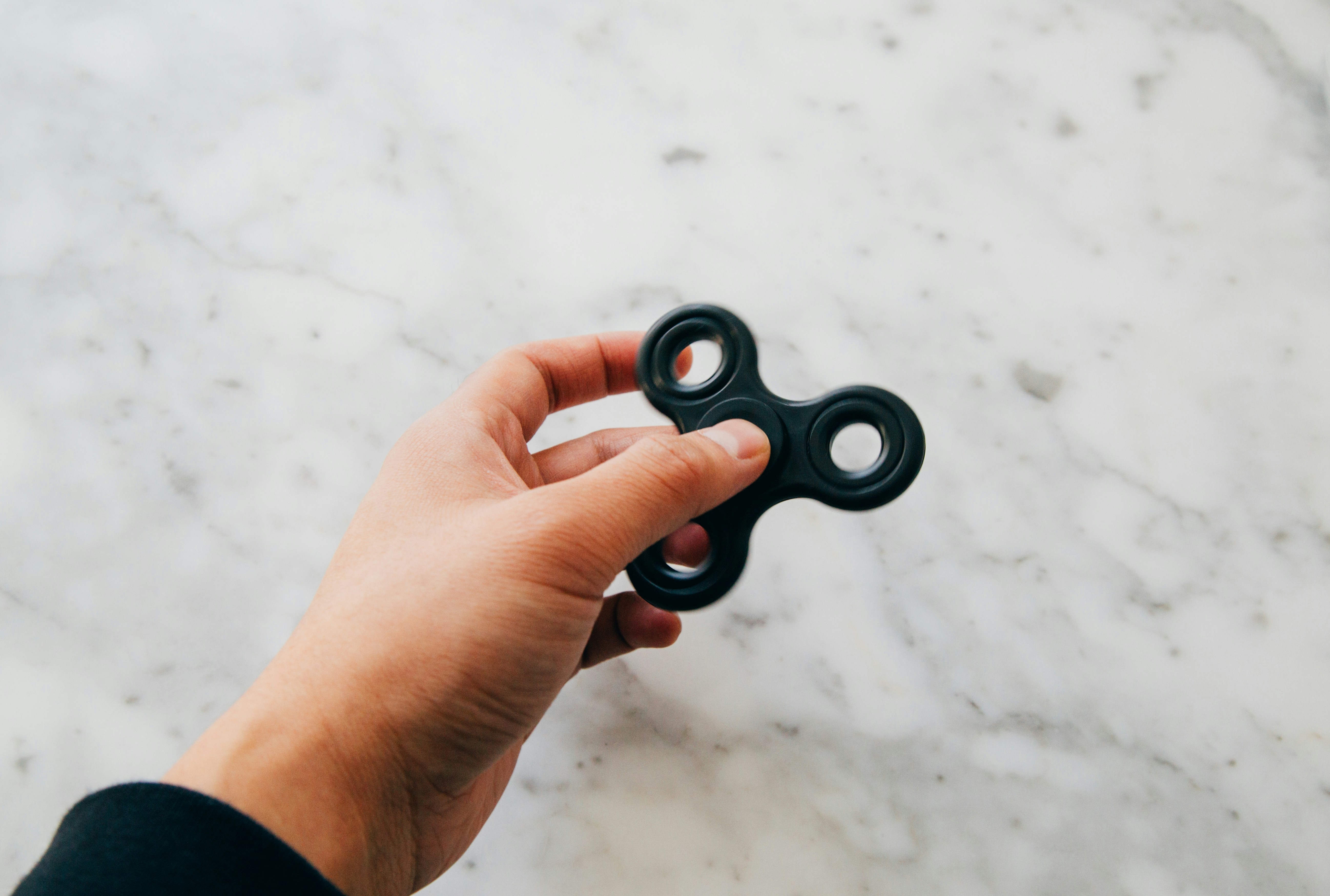
When I catch myself spiraling into anxious thoughts, I try to refocus on something small and tangible in that very moment. Sometimes it’s a fidget spinner—just noticing its texture, the sound it makes, or how it moves can anchor me in the here and now. By giving my mind a simple task, I interrupt the anxious loop and stay present.
Meditation
Depending on what’s happening, I might grab a few minutes to sit quietly and meditate. I’ve learned I don’t have to force my mind to go totally blank (which still feels impossible some days). Instead, I’ll “build things” in my head—like imagining a calm place, or visualizing pieces of a puzzle coming together. This playful approach keeps me from fixating on anxious thoughts and gives me a gentle mental break.
Deep Breathing
I came across “box breathing” and found it surprisingly powerful. It goes like this: I inhale for a count of four, hold for four, exhale for four, and then hold again for four before repeating. It’s so simple, yet it helps me regulate my heartbeat and calm the rush of thoughts. If I’m feeling panicky, I focus on the counting and the rhythm instead of whatever’s worrying me.
Moving My Body
I’ve been doing what I now call “walking meditation” for a while—without knowing it was a real thing! Sometimes I’ll just walk back and forth over a short distance, maybe 10 feet, and concentrate on each step. Feeling my feet hit the floor, noticing the shift of weight—it’s like a meditation in motion. It helps me burn off anxious energy and clear my head at the same time.
Thought Exercises
Whenever a worry pops up, I try to ask myself questions like, “Is this a genuine concern or just a worst-case scenario my anxiety created?” These little mental check-ins help me figure out if I’m dealing with a real problem or an imaginary one. By challenging my knee-jerk reactions, I’m learning to keep my worries in perspective and not let them snowball.
Perfection isn’t the goal. I still enjoy my coffee breaks, probably more than I should. But by spotting my own patterns and making gradual changes, I’ve found a better balance for my mental health.



Section 6: Weighing the Option of Professional Help
I’ve personally never sought out a therapist, counselor, or psychiatrist, even though I know plenty of people who’ve found it incredibly useful. For me, the decision wasn’t about stigma or fear—it just never felt like the right time or fit. Instead, I’ve relied on my own coping strategies, support from friends, and a lot of self-reflection.
That said, I recognize there might come a point when professional guidance could offer a fresh perspective or more specialized tools to manage anxiety. If you’re finding that your usual self-help methods aren’t cutting it—maybe you’re missing work, losing sleep, or feeling overwhelmed more often than not—it’s worth considering. Even a single consultation can clarify whether you’d benefit from ongoing support or if self-directed methods are enough.
No one path works for everyone, and not everyone needs therapy to navigate anxiety successfully. The important thing is knowing the resources that exist—so if your current approach stops working or your anxiety worsens, you have options waiting in the wings. In the end, you get to decide how to handle your own well-being, whether it’s continuing solo or bringing a professional on board.

7: How Anxiety Shapes My Health Over Time
Anxiety isn’t just an idle worry or a short-lived spell of nerves. For me, it started as frequent tension headaches and a knotted feeling in my stomach, eventually creeping into my nights with restlessness and racing thoughts. Unlike moments of sadness or low mood, anxiety kept me on edge—always looking ahead for “what might go wrong.”
Over time, I realized that carrying this constant stress didn’t just zap my energy in the moment—it also wore down my resilience, making it harder to bounce back from everyday challenges. The good news? Small changes have made a noticeable difference. Simply stepping away from doomscrolling when headlines become too overwhelming, or taking a few slow, intentional breaths when my mind won’t stop spinning, helps me handle life’s pressures with a bit more ease.
Ultimately, tackling anxiety is about more than just feeling better today; it’s about investing in my future well-being. Each calming technique I learn—each break I take when I’m overwhelmed—builds a stronger foundation for tomorrow. By proactively managing my worries now, I’m setting myself up for a healthier, more balanced life down the road.

Personal Reflection:
“When I noticed the physical toll—constant headaches, muscle tension, and persistent fatigue—I realized I needed to prioritize my mental wellness. Life is simply too short to live in a state of constant worry.”
8. Becoming Self-Sufficient in Managing Anxiety
One of the biggest shifts for me was realizing I actually have some control over my anxiety. Sure, it still shows up uninvited, but I’ve learned I can decide how I respond. Being self-sufficient doesn’t mean isolating myself; it means discovering which coping methods fit my life and making them routine. Whether it’s a few deep breaths or a short walk when I’m overwhelmed, these simple steps really do add up over time.
I also keep an eye on my thoughts: am I blowing a situation out of proportion, or is there a genuine issue I can address? That quick check-in keeps anxiety from running the show. Although I haven’t turned to a mental health professional, I stay aware of resources—like articles, apps, and support groups—so I never feel stuck. Ultimately, being self-sufficient means knowing what triggers my stress, how to soothe it, and what tools I can reach for. By refining that awareness and stocking my personal toolkit with mindful moments, gentle movement, and practical thought exercises, I’m better prepared for whatever challenges come my way.
9. Final Thoughts
Anxiety is both incredibly common and deeply personal. If you find yourself feeling overwhelmed—like I once did, staring at rain sliding down the glass—remember that you’re not alone, and you don’t have to face this storm without support.
Take small steps. Talk to someone you trust. Look into professional options if self-care routines aren’t enough. And most importantly, show yourself compassion along the way. Every effort you make to understand and manage your anxiety is a step toward calmer days and clearer skies.
Words of Encouragement:
“If you’re feeling overwhelmed, know that you’re not alone. The first step is simply acknowledging what you’re going through, then reaching out for support. With time and the right tools, you can find a balance that lets you truly enjoy life again.”
Additional Resources
Books: ( Affiliate Links)
- Feeling Good: The New Mood Therapy by Dr. David D. Burns
- The Anxiety and Phobia Workbook by Edmund J. Bourne
Websites:
Mobile Apps:
Helplines (U.S.):
- National Suicide Prevention Lifeline: 1-800-273-8255
- Crisis Text Line: Text HOME to 741741
Remember, seeking help is never a sign of failure; it’s often the bravest move you can make. If you suspect you’re dealing with anxiety—whether officially diagnosed or not—there’s power in educating yourself, building a support system, and taking charge of your own mental health journey. You deserve the peace and clarity that come with finding new ways to navigate the storm of anxiety.



Leave a Comment