Welcome to my exploration of dementia, a condition that touches the lives of millions worldwide, as well as mine, with my mother suffering from it and passing away due to it in January 2023. As someone passionate about aging gracefully and living a full life, I find it crucial to understand dementia – not just its challenges, but also the ways we can support and empower those affected. In this article, I’ll dive into what dementia is, its various forms, and how it impacts individuals and their loved ones.
Understanding Dementia:
Dementia is an umbrella term used to describe a range of progressive neurological disorders that affect memory, thinking, behavior, and emotion. Alzheimer’s disease is the most common type, but there are many others, each with its unique characteristics. Here’s an overview of some common and less common types of dementia:
Alzheimer’s Disease: This is the most widely recognized type of dementia, characterized by memory loss, difficulties with language, and changes in mood or behavior.
Vascular Dementia: The second most common form, it often results from blood vessel damage that can cause strokes or affect the brain in other ways. Symptoms can include problem-solving difficulties and issues with concentration.
Lewy Body Dementia: This type involves abnormal protein deposits in the brain known as Lewy bodies. It’s associated with symptoms like sleep disturbances, visual hallucinations, and movement disorders.
Frontotemporal Dementia: This type affects the front and sides of the brain and is typically marked by changes in personality and behavior, as well as language difficulties.
Mixed Dementia: In some cases, individuals may have a combination of different types of dementia, such as Alzheimer’s disease and vascular dementia.
Young-onset Dementia: When dementia occurs in people under the age of 65, it’s referred to as young-onset dementia.
These are just a few examples, and there are several other rarer forms of dementia as well. Each type can have distinct symptoms and progression patterns, making it essential to get a proper diagnosis and tailored care.
For detailed information and resources on each type of dementia, you can visit the Alzheimer’s Society website here. Additionally, the Alzheimer’s Association offers comprehensive resources and support for those affected by various types of dementia. You can explore their website for more in-depth information.
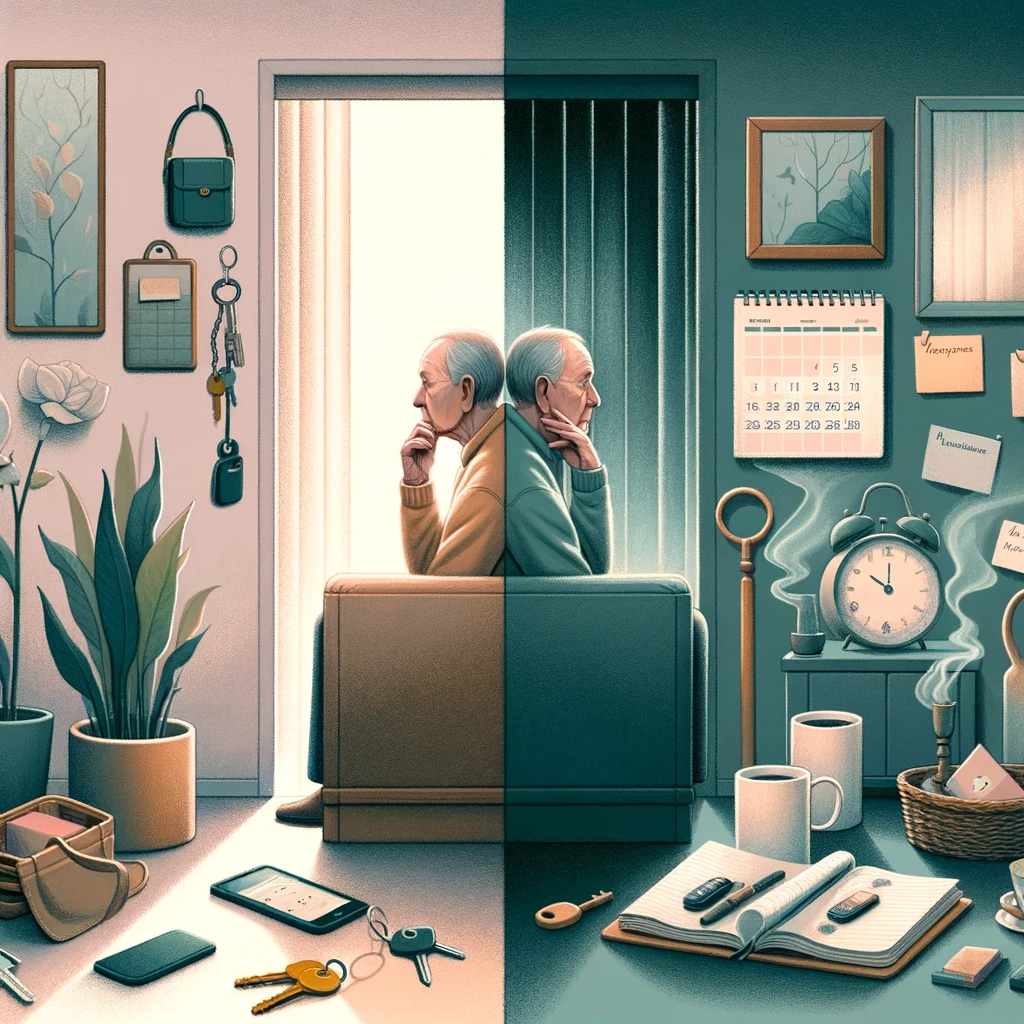
The journey into dementia often begins subtly – misplaced keys, forgotten names, or missed appointments. As it progresses, symptoms become more pronounced, affecting the ability to manage daily tasks independently. It’s crucial to recognize these signs early for timely intervention.
III. Diagnosis and Treatment:
Diagnosing dementia involves a combination of medical history, physical examinations, and cognitive tests. While there’s currently no cure for most types of dementia, treatments are available to help manage symptoms. Medications can temporarily alleviate some symptoms, while therapies like cognitive stimulation can improve quality of life.
IV. Living with Dementia:
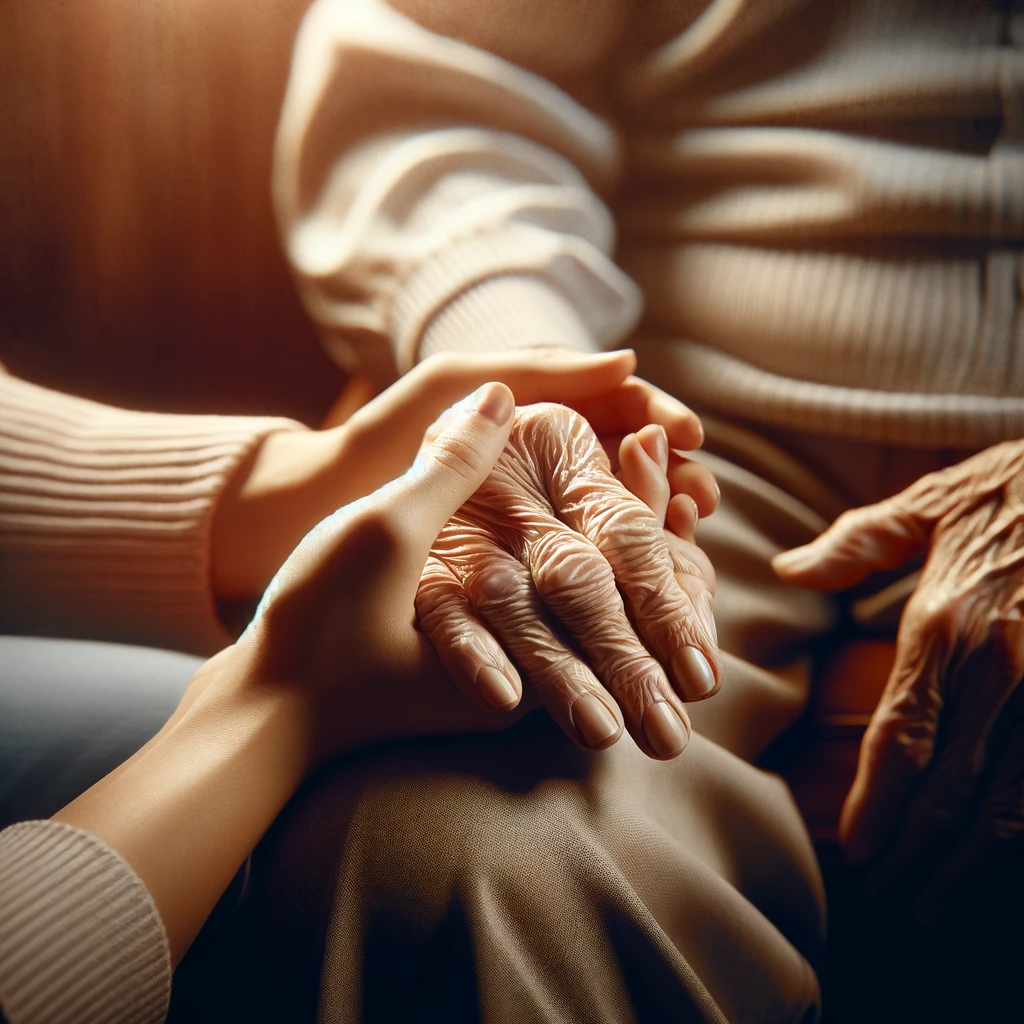
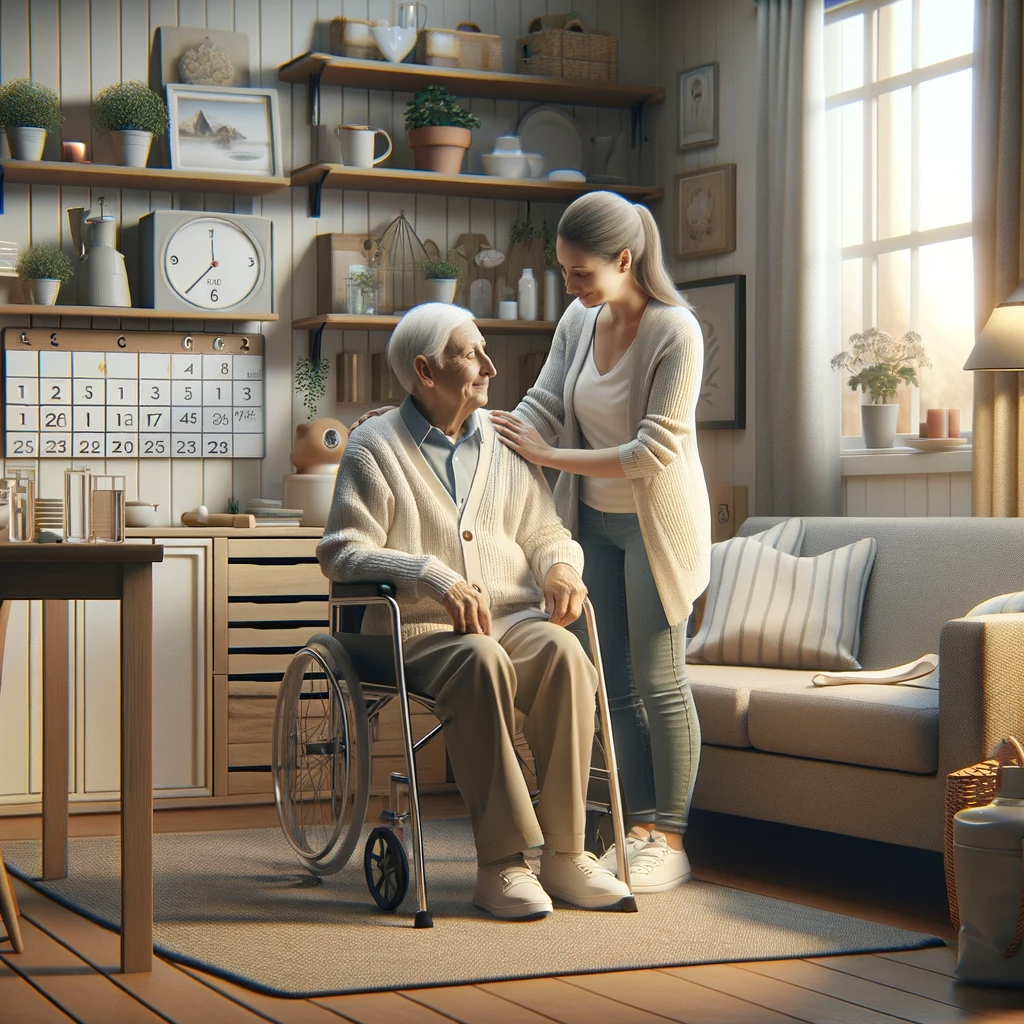
Living with dementia means adapting to a changing landscape. Simple home modifications can greatly enhance safety and comfort. It’s also vital for caregivers to find support – caring for someone with dementia can be challenging, but you’re not alone.
I had a suggestion from a co-worker at my former employer. It was something they had done for a family member. They created a “memory book” something like a photo album/notebook/journal mix type thing. The person would add things in it to remember day to day but so would the family. Some things would just be simple photo with their name & who they were for example.
Effective communication becomes a cornerstone of care. It’s about being patient, listening, and finding new ways to connect. Emotional support is equally important – understanding, empathy, and validation go a long way.
VI. Preventative Measures and Healthy Aging:
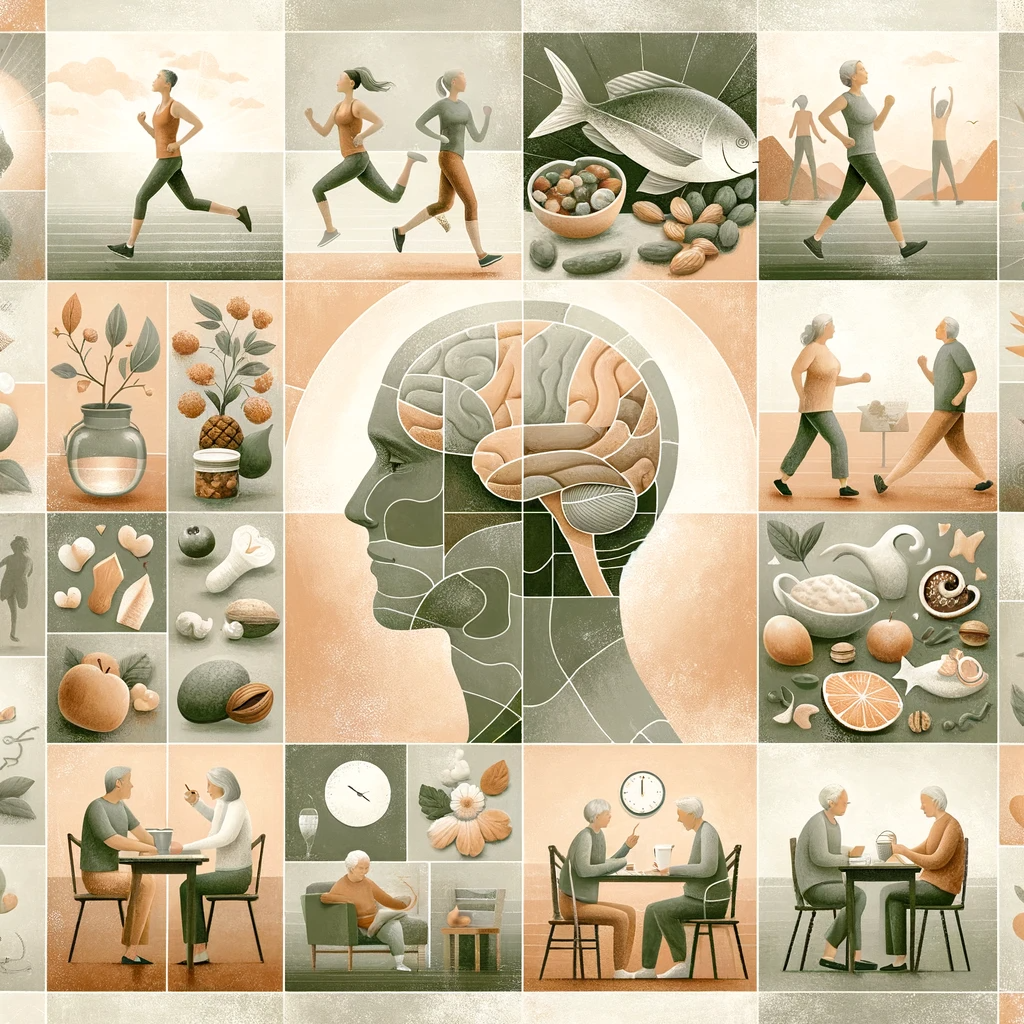
While there’s no surefire way to prevent dementia, a healthy lifestyle can lower the risk. Regular exercise, a balanced diet, mental stimulation, and social engagement are all beneficial. Moreover, staying informed about the latest research offers hope and guidance for the future.
As we wrap up this article, remember that dementia doesn’t define a person. With understanding, support, and the right resources, individuals with dementia can continue to experience life’s joys and moments of connection.
My 2026 Plan: Rebuilding After the Year That Almost Killed Me Last February, I published my 2025 plan. Ten focus areas. Ambitious goals. Detailed strategies for the year ahead. Two...
The old house. Lorem ipsum dolor sit amet, consectetur adipiscing elit. Ut elit tellus, luctus nec ullamcorper mattis, pulvinar dapibus leo. Lorem ipsum dolor sit amet, consectetur adipiscing elit....






Leave a Comment