
Understanding a Level 10 Life
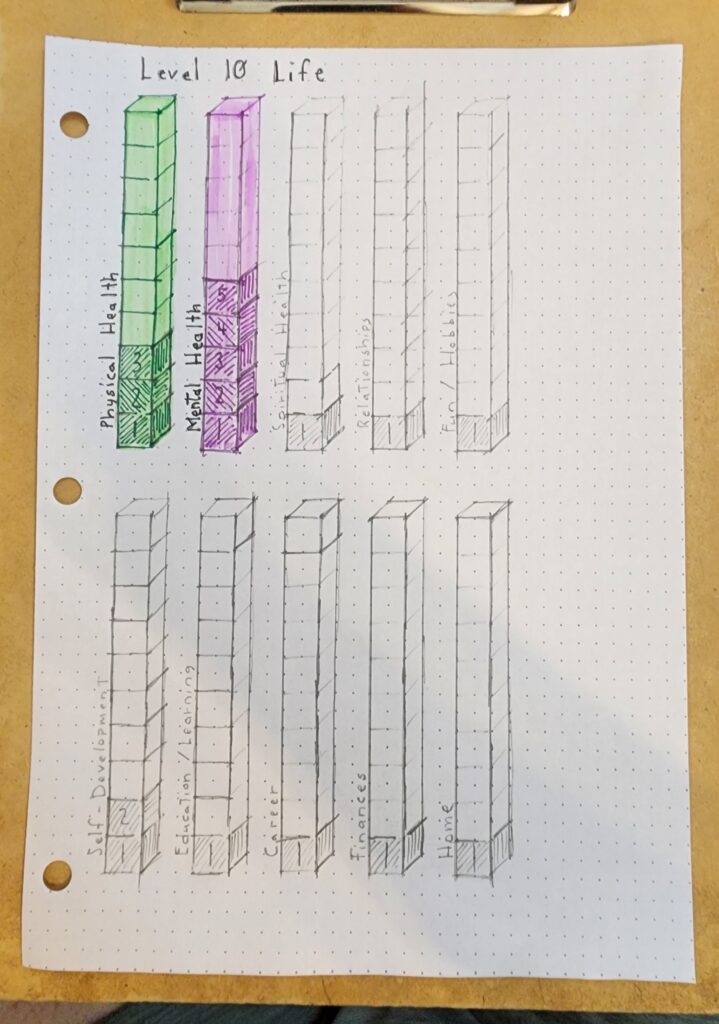
A Level 10 Life is a holistic personal development concept by Hal Elrod and discussed in his book, “the Miracle Morning”. This concept encourages individuals to strive for a higher level of satisfaction and balance across various aspects of their lives. It’s based on the idea that life can be divided into different areas, such as health, finances and personal growth. By assessing and continuously improving each of these areas, a person aims to elevate their overall life experience to a “level 10”. This approach promotes a more balanced and fulfilling lifestyle where every dimension of well-being is nurtured and developed, leading to a more harmonious and enriched life.
Introduction
Living a Level 10 Life isn’t just about achieving goals; it’s about creating a life filled with meaning, balance, and fulfillment. My journey toward this life began after I lost my mother to dementia. Her passing deeply affected me, prompting me to reflect on my own health, longevity, and the fragility of mental well-being. This loss became the catalyst for taking charge of my mental health and overall well-being.
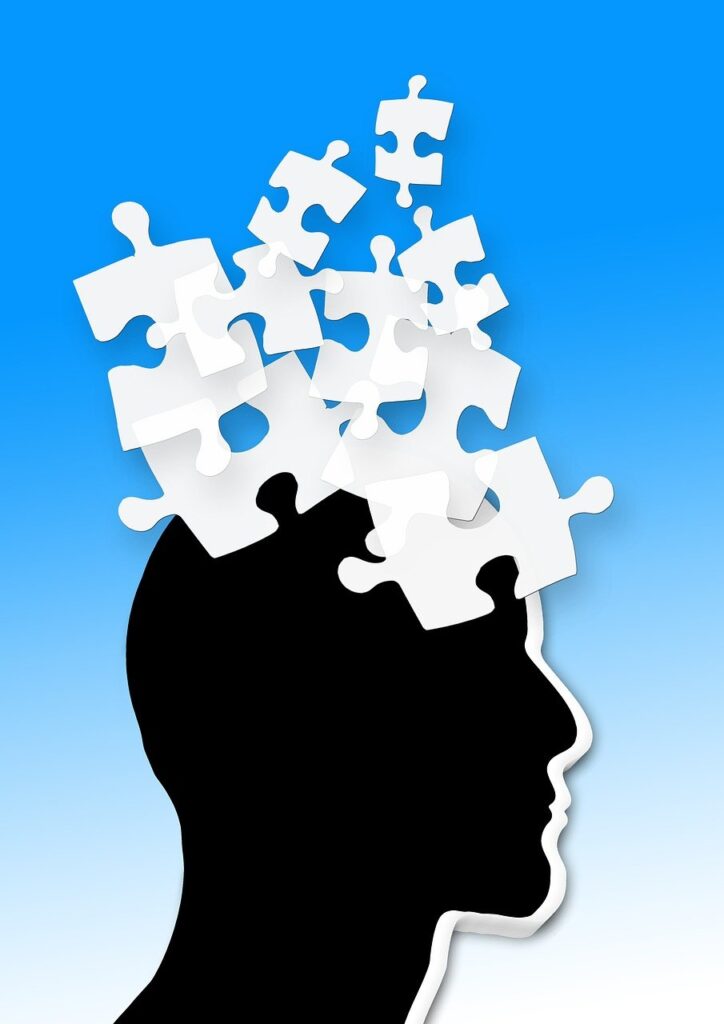
Throughout this journey, I’m realizing that mental health isn’t just a single piece of the puzzle—it’s the foundation that supports every aspect of life. I’ve grappled with depression and anxiety for as long as I can remember. Through researching how to maintain my health as I age, I found myself learning ways to improve my mental health. In this post, I want to share the path I’m taking toward better mental health and, ultimately, a more fulfilling, balanced life.

My Path to Understanding Mental Health
What is mental health?
According to MentalHealth.gov, mental health includes our emotional, psychological, and social well-being. It affects how we think, feel, and act, and helps determine how we handle stress, relate to others, and make choices. Mental health is important at every stage of life, from childhood and adolescence through adulthood.

Dispelling Misconceptions
Unfortunately, misconceptions about mental health persist. Mental illnesses are disorders that range from mild to severe and can affect anyone, regardless of age, gender, or background. They are not a choice, a weakness, or a character flaw. Recognizing this is crucial because it allows us to address issues without stigma or shame.
In my upcoming posts on Depression and Anxiety, (both under construction)I share more about my personal experiences and coping strategies.
Common Mental Health Conditions
Many factors contribute to mental health conditions, including biological factors (like genes or brain chemistry), life experiences (such as trauma or abuse), and family history. Some common mental health conditions include:
- Depression
- Anxiety Disorders (including generalized anxiety, panic disorders, OCD, phobias, and social anxiety)
- Bipolar Disorder
- Post-Traumatic Stress Disorder (PTSD)
- Eating Disorders
- Schizophrenia
Nearly one in five adults lives with a mental illness, highlighting the importance of awareness and support.
Section 2: The Role of Mental Health in My Level 10 Life
The Foundation
Mental health is fundamental to building my Level 10 Life because it influences everything—how I approach challenges, connect with others, and find meaning in each day. It’s not just about the absence of mental illness but the presence of positive characteristics like resilience, self-esteem, and a sense of purpose. Mental wellness isn’t something I consider occasionally; it’s a daily investment in my journey toward a life I can look at with peace and satisfaction.
Personal Reflection
My journey has been deeply personal, shaped by the losses and challenges I’ve faced. Losing my mother to dementia was a turning point. The experience not only affected her but also took a significant toll on my mental well-being. The stress, grief, and emotional strain brought my own struggles with depression and anxiety to the forefront.
I found myself questioning not only my physical health but also the state of my mind. I realized that if I wanted to lead a healthier and more fulfilling life, I needed to address these issues head-on. Dealing with the daily struggles of depression and anxiety can make life feel overwhelming. Researching ways to handle these struggles has shown me that working on my mental health is as vital as caring for my physical health.
Section 3: Recognizing Early Warning Signs and Symptoms
My Personal Struggles with Depression and Anxiety
Depression is something I’ve carried for most of my life, even without a formal diagnosis. High school was tough, and as I got older, certain events intensified these feelings. After my divorce and losing my ex-wife, there were moments when it was difficult to find reasons to keep going. Eventually, my kids became that reason. Now, as I’m getting older, I’m working on finding reasons within myself.
Crowds and social settings have always made me anxious, which I used to attribute to being an introvert. Now, I see that it’s part of my overall mental health story.
Common Warning Signs
Not sure if you or someone you know is living with mental health problems? Experiencing one or more of the following feelings or behaviors can be an early warning sign of a problem:
- Eating or sleeping too much or too little
- Pulling away from people and usual activities
- Having low or no energy
- Feeling numb or like nothing matters
- Having unexplained aches and pains
- Feeling helpless or hopeless
- Smoking, drinking, or using drugs more than usual
- Feeling unusually confused, forgetful, on edge, angry, upset, worried, or scared
- Yelling or fighting with family and friends
- Experiencing severe mood swings that cause problems in relationships
- Having persistent thoughts and memories you can’t get out of your head
- Thinking of harming yourself or others
- Inability to perform daily tasks like taking care of your kids or getting to work or school
Recognizing these signs early can make a significant difference in managing mental health effectively.
Section 4: Finding Motivation for Mental Health
Discovering Ikigai: Embracing the Joy of Everyday Living
After my mother’s passing, I sought ways to find deeper meaning and fulfillment in my life. In this journey, I discovered the Japanese concept of Ikigai, which has profoundly influenced my perspective on mental health and well-being.
Ikigai is often misunderstood in the West, sometimes depicted as a Venn diagram of passion, mission, vocation, and profession. However, I’ve learned that its true essence is much more personal and rooted in the simplicity of daily life.
According to Japanese culture and experts like Ken Mogi and Nicholas Kemp, Ikigai is about finding joy in the small things and embracing the present moment. It’s the feeling you get when you sip your morning coffee, the satisfaction of writing a blog post that resonates with others, or the warmth of a genuine conversation with a loved one.
For me, Ikigai means:
Starting Small: Taking pleasure in daily rituals, like my morning journaling or evening walks.
Embracing Myself: Accepting my introverted nature and appreciating the strengths it brings.
Being Present: Practicing mindfulness to fully engage with each moment, reducing anxiety about the future or regrets about the past.
Finding Joy in Connection: Valuing deep, meaningful relationships over superficial interactions.
By shifting my focus to these aspects, I’ve found that my mental health has improved, and I’m experiencing a greater sense of fulfillment. Ikigai isn’t a grand purpose I need to strive toward; it’s the collection of little things that make life worth living each day.
Actionable Steps:
Identify Your Daily Joys: Make a list of small activities that bring you happiness.
Practice Mindfulness: Take moments throughout the day to pause and appreciate your surroundings.
Embrace Your Authentic Self: Acknowledge your feelings and preferences without judgment.
If you’re interested in exploring this concept further, I delve deeper into it in my post “Discovering Purpose: Finding my Ikigai”(under construction).

Discovering My INFJ Personality Type
Around the same time, I also discovered that I’m an INFJ personality type, according to the Myers-Briggs Type Indicator. The INFJ type is often described as an idealist with a strong sense of integrity and a drive to help others. This realization was eye-opening and provided valuable insights into my behaviors and preferences.
Understanding that I’m an INFJ clarified why:
- Crowded Spaces Overwhelm Me: I prefer calm environments to process my thoughts and recharge.
- I Value Deep Connections: Superficial interactions often leave me feeling unfulfilled; I thrive on meaningful conversations.
- I Need Time Alone: Solitude isn’t just a preference but a necessity for me to regain energy.
This self-awareness has been instrumental in my mental health journey. It allowed me to accept these aspects of myself rather than viewing them as flaws. I began to tailor my environment and activities to better suit my personality, which significantly reduced stress and anxiety.
For those curious about personality types and how they can impact mental health, I share more about my experiences in my post “Understanding My INFJ Personality”.(under construction)
Key Components for Achieving Level 10 Mental Health
My approach to mental health focuses on several key areas that I’ve found essential for well-being and growth. These practices are the foundation of my Level 10 Life.
1. Self-Awareness and Self-Discovery
Understanding Myself
Self-awareness has been crucial in understanding my feelings, triggers, and aspirations. By recognizing that mental health exists on a spectrum, I can address issues before they become more severe.
Actionable Steps:
- Take a Personality Test: Visit 16Personalities to take a free Myers-Briggs Type Indicator test.
- Start a Self-Discovery Journal: Use prompts like “What situations make me feel most at peace?” or “What activities drain my energy?” to guide your journaling.

2. Resilience Through Purpose
Resilience is about bouncing back from setbacks, and for me, it’s deeply connected to having a sense of purpose. Working toward discovering my Ikigai has been instrumental in building this resilience—finding meaningful reasons to keep going even when things get tough. One of my main reasons is my kids—and now, my grandkids!
Actionable Steps:
- Keep a Gratitude Journal: Focus on the positive aspects of your life to build resilience.
- Reframe Challenges: View obstacles as opportunities for growth.

3. Self-Care and Self-Compassion
Self-care and self-compassion are vital in building mental resilience. I’ve learned to treat myself with the same kindness I offer others. This includes allowing myself to rest when needed and engaging in activities that bring me joy.
Actionable Steps:
- Incorporate Self-Care into Daily Routine: Try one small act of self-care each day, like reading a book or taking a relaxing bath.
- Practice Positive Self-Talk: Replace self-criticism with encouraging words.

4. Social Connections
Human connections are critical to mental wellness. Studies show that supportive relationships can decrease symptoms of anxiety and depression while improving overall well-being.
Actionable Steps:
- Reach Out to Loved Ones: Make time for meaningful conversations.
- Join Supportive Communities: Participate in local or online groups with shared interests.

5. Setting Boundaries for Balance
Work-life balance is essential in my Level 10 Life journey. By setting clear boundaries around my time, I ensure I can focus on what matters most.
Actionable Steps:
- Schedule “Unplugged” Time: Allocate specific times to step away from technology and recharge.
- Learn to Say “No”: Prioritize your mental health by not overcommitting.

Section 6: Mental Health Strategies I’m Trying Out
Prioritizing Self-Care and Routine
Sleep has become a non-negotiable for me. Despite a work schedule that could easily disrupt my rest, I make sure to get at least eight hours a night. Establishing a morning routine, even if it’s just a few minutes to plan the day, gives me a sense of stability.
Nutrition and Physical Health
Managing my nutrition has helped more than I expected. I’m focusing on high-protein foods and planning meals as best I can. Eating right gives me more energy and focus. It’s a small way to take care of myself each day and a reminder that I have control over some things.
As of the time writing this, I’m roughly half-way on my weight loss path, having started at 235 at the beginning of 2024. This morning, November 12, 2024 I am down to 201. I struggled and stalled out many times during the year but kept going. I’ve written a post on my plan for my nutrition you can read here: My Nutrition: My WOE.
Decluttering as a Mental Cleanse
My house is full of things I’ve collected over the years, as well as my parents and my grandparents’ and it’s taken a toll on me. Going through old boxes, I find myself weighing the emotional attachment to each item. It’s going to be hard, but each piece I let go of will feel like lifting a small weight off my mind.
On top of just having so much stuff, I’ve gotten into a bad habit of just laying stuff around, not putting it in its place when I’m in a hurry or tired. So, a LOT of work to be done to clean-up, declutter and organize the house. My laptop and phone are also in somewhat same shape, with stuff being all over the place and not very organized with a lot of just junk that I’ve saved over time and taking up space.
I’ll cover all this process in another post and also on my other social media, maybe video tape it.
Creative Outlets
This blog has been a surprising source of comfort. Writing and sharing my experiences with others who might be going through similar things gives me a way to express myself. It’s also a chance to connect with people and share what I’m learning.
Along with this, I’m also planning to start back up drawing, it’s been so long. Also, I’ve bought the stuff to start back in painting. A little different, I have some experience with oil painting, a little bit with acrylic painting, but I’m going to try watercolor this time. I still plan on starting up the other painting types as well as other hobbies, but these are my first plans. Maybe I’ll share some of what I work on online, here in my blog and other social media. If I do I’ll come back and update a link to it.

Section 7: Tips for Living Well with a Mental Health Condition
The government’s webpage provides valuable tips for managing mental health conditions. Here’s how I’m applying them:
1. Stick to a Treatment Plan
Even when I feel better, I continue with routines that support my mental health. Consistency is key to long-term well-being.
2. Practice Good Self-Care
Practicing good self-care has become a cornerstone of my mental health journey. I try to include activities like meditation and regular exercise into my routine, which help me stay centered and physically active. Prioritizing sufficient sleep and maintaining a balanced diet give me the energy and clarity needed to face each day. By consciously taking care of my physical well-being, I’m better equipped to handle mental and emotional challenges that come my way.
3. Reach Out to Others
Reaching out to others has been one of the most challenging yet rewarding aspects of my mental health journey. I’ve always been someone who keeps things to myself, finding it difficult to open up or ask for help—even when I need it most. Whether out of pride, fear of burdening others, or simply not wanting to appear vulnerable, I tended to internalize my struggles.
However, I’ve come to realize that isolating myself only amplifies feelings of loneliness and anxiety. Making the effort to connect with friends, family, or professional counselors has made a significant difference in my well-being. Sharing my thoughts and feelings with trusted individuals has provided me with support, new perspectives, and a sense of relief that I’m not alone in this journey.
4. Develop Coping Skills
Developing healthy coping skills has been essential in managing my mental health more effectively. I’m learning to recognize my triggers and implement strategies like mindfulness meditation, deep-breathing exercises, and positive affirmations to navigate challenging moments. Journaling allows me to process my thoughts and emotions, providing clarity and relief. Engaging in hobbies such as drawing,painting and learning to play guitar offers a creative outlet that reduces stress and brings joy. By proactively cultivating these coping mechanisms, I’m better equipped to handle life’s ups and downs with resilience and a calmer mindset.
5. Get Enough Sleep
I believe I’ve stated it before, but Sleep is my #1 non-negotiable. Good sleep improves my brain performance, mood, and overall health. I aim for 7-8 hours of quality sleep each night.
Section 8: Coping with Stress and Anxiety: What I’m Learning
Small Wins and Mindfulness
Tackling things one step at a time helps me avoid feeling overwhelmed. Breaking down large tasks into smaller, manageable steps allows me to celebrate small victories along the way.
Balancing Solitude and Connection
I need time alone to recharge, but I also know I can’t isolate myself too much. Finding the right balance between solitude and staying connected to family and friends could be crucial for my mental health.As it stands, I am very prone to isolating myself.
Setting Boundaries
Learning to say “no” has been one of the toughest lessons for me. I’ve always been the type who’d always say “yes,” especially at work. But I’m realizing that to protect my mental health, sometimes I’ll have to put my own needs first.

Section 9: Coping with Depression: What I’m Learning
Acknowledging My Feelings
Allowing myself to truly feel my emotions was a significant first step. I realized that suppressing feelings of sadness or hopelessness only made them more intense over time. By accepting these emotions without judgment, I began to understand them better and address them more effectively.
Establishing a Routine
Creating a daily routine is bringing a sense of normalcy and control back into my life. Simple tasks like waking up at the same time each day, maintaining personal hygiene, and setting small goals gave me a sense of accomplishment and purpose.
Seeking Support
I came to understand that I didn’t have to navigate this journey alone. Reaching out to friends, family, and mental health professionals provided me with support and guidance. Opening up about my struggles was challenging, but it made a significant difference in my healing process.
Engaging in Physical Activity
Exercise became an essential part of my coping strategy. Physical activity releases endorphins, which can improve mood and reduce feelings of depression. Even short walks or stretching sessions helped lift my spirits and clear my mind.
Exploring Creative Outlets
Engaging in creative activities like writing, painting, or playing music provided an emotional release and a sense of fulfillment. Writing this blog has become a source of both solace and enlightenment for me. It provides a comforting outlet where I can candidly express my struggles and victories.

Section 10: Setting Mental Health Goals
Setting mental health goals has been just as important as any other goals in my journey toward a Level 10 Life. By creating clear, achievable objectives, I’ve been able to make tangible progress in improving my mental well-being. Here’s how I’m approaching setting my mental health goals and some examples that might help you get started.
Why Mental Health Goals Matter
Just as we set goals for our careers, finances, or physical health, setting goals for mental health gives us direction and motivation. It helps us focus on areas we want to improve and provides a roadmap for getting there. These goals help me:
- Provide Clarity: Define what I want to achieve.
- Create a sense of purpose: Having goals gives me something to work toward.
- Track progress and growth: Looking back at what I’ve achieved boosts my confidence.
- Build Resilience/Self-Esteem: Every goal I achieve strengthens my resilience and determination.
Using the SMART Goals Framework
A helpful way to structure mental health goals is by using the SMART framework, which ensures goals are Specific, Measurable, Achievable, Relevant, and Time-bound. This turns vague intentions into concrete plans.
- Specific: Define exactly what you want to achieve.
- Measurable: Decide how you will measure your progress.
- Achievable: Ensure the goal is realistic and within your capacity.
- Relevant: Make sure it aligns with your personal values and needs.
- Time-bound: Set a deadline or timeframe to complete it.
Example Goals Using SMART
Here are a few examples of mental health goals I’ve set for myself and how they align with the SMART framework:
1. Practice mindfulness meditation every morning for 10 minutes
- Specific: I aim to meditate each morning for 10 minutes.
- Measurable: I can track my progress daily by marking it on a calendar.
- Achievable: Starting with a short duration like 10 minutes makes it manageable.
- Relevant: Meditation aligns with my goal to manage stress and stay grounded.
- Time-bound: I’ll commit to this practice for the next 30 days and assess its impact.
2. Connect with one friend or family member each week
- Specific: I plan to reach out to a loved one for a meaningful conversation.
- Measurable: I can measure this by keeping a list of people I’ve connected with.
- Achievable: One call or meet-up a week is doable.
- Relevant: Staying connected supports my mental well-being.
- Time-bound: I’ll set aside a specific day and time each week for this connection.
3. Journal for 5 minutes each night
- Specific: Write in my journal each night about my thoughts or reflections.
- Measurable: I’ll mark each completed journal entry on a habit tracker.
- Achievable: 5 minutes is manageable, even on busy days.
- Relevant: Reflecting on my day helps me process emotions and clarify my thoughts.
- Time-bound: I’ll commit to nightly journaling for the next month to build consistency.
4.. Improve Sleep Hygiene
- Specific: Establish a consistent bedtime routine.
- Measurable: Go to bed by 10:30 PM every night and aim for 8 hours of sleep.
- Achievable: Limit screen time before bed and create a relaxing environment.
- Relevant: Quality sleep enhances mood and cognitive function.
- Time-bound: Implement this routine over the next two weeks and adjust as needed.
Breaking Goals into Small Steps
Setting large or long-term goals can feel overwhelming, so I often break my goals into smaller steps. Each small step I take reinforces that progress is possible, even if it’s gradual.
For example:
- Long-term Goal: Improve my emotional resilience.
- Small Step 1: Practice gratitude journaling every morning.
- Small Step 2: Set aside 10 minutes each week to reflect on challenges and how I’ve overcome them.
- Small Step 3: Try one new coping strategy each month (e.g., meditation, breathing exercises, mindfulness).
Personal Reflection and Adjustments
One thing I’ve learned is that mental health goals aren’t always straightforward. Sometimes a goal that seemed achievable might need adjusting, and that’s okay. I try to reflect on my goals every few weeks to see if they’re helping or if they need to be tweaked. This reflection process includes asking myself questions like:
- Is this goal adding value to my life?
- Am I experiencing any obstacles in achieving this goal?
- Do I need to simplify or break down the goal even further?
- Has anything changed that makes this goal less relevant?
Being flexible and open to adjusting my goals has been crucial in helping me stay motivated and committed.
Celebrating Progress
Celebrating small victories along the way is essential for me. It reminds me that even small steps contribute to a larger goal. Some ways I celebrate include:
- Treating myself: Whether it’s enjoying a favorite meal or taking a day off to relax.
- Reflecting on my growth: Looking back at where I started and recognizing my efforts.
- Sharing progress with friends or family: Talking about my achievements with others who support me.
Final Thoughts on Goal-Setting for Mental Health
Setting mental health goals has given me structure, motivation, and a sense of accomplishment. Even on difficult days, having these goals helps me stay focused on what matters and reminds me that every step, no matter how small, is part of the journey. If you’re looking to improve your mental health, start with one simple goal—something achievable that you can build on over time. The positive changes might surprise you.
Section 11: Tools and Resources Supporting My Journey
Tools I’ve Found Helpful
This is a list of some apps that can be used for a fee. I never used these personally, but they are rated very well. I’ve always preferred using a regular paper journal every day and now I also keep a gratitude journal. I did get online to find my personality though.
- Mindfulness Apps: Headspace and Calm offer excellent guided meditations.
- Journaling Apps: Day One helps me track my thoughts and progress.
- Personality Tests: 16Personalities provides insights into personality types.
- Gratitude Journals: Apps like Gratitude or Presently help cultivate a daily gratitude practice.
Professional Support
Seeking help when needed is crucial. Here are some resources:
- FindTreatment.gov: Locate treatment facilities and providers.
- SAMHSA’s National Helpline: Call 800-662-HELP (4357) for free, confidential treatment referral and information.
Conclusion: Mental Health is the Heart of My Level 10 Life
Mental health isn’t just a part of my journey—it’s at the very heart of it. Building mental resilience, self-awareness, and purpose has allowed me to move closer to a life that feels balanced, fulfilling, and meaningful. This journey isn’t perfect, and I’m continually learning, but taking intentional steps has made all the difference.
If you’re on a similar path, I encourage you to start with one small change today. Whether it’s a few minutes of reflection, reaching out to a friend, or setting a new boundary, each step brings you closer to the life you envision.
Further Reading
- Discovering Purpose: Finding Your Ikigai (under construction)
- My Journey with Depression: Living in the Shadows (under construction)
- Understanding Anxiety: Navigating the Storm(under construction)
- Understanding my INFJ Personality. (under construction)
Additional Resources
- MentalHealth.gov: https://www.mentalhealth.gov/
- National Alliance on Mental Illness (NAMI): https://www.nami.org/
- Suicide & Crisis Lifeline: Call or text 988 or chat at 988lifeline.org
- FindSupport.gov: https://www.findsupport.gov/
- American Psychological Association (APA): https://www.apa.org/
Final Thoughts
Remember, setting and working toward mental health goals is a personal process. What works for one person may not work for another, and that’s perfectly okay. The key is to find strategies that resonate with you and support your unique path toward a Level 10 Life.
Don’t be afraid to revisit and revise your goals as you grow and change. Your mental health journey is dynamic, and your goals should reflect that. Celebrate your progress, learn from setbacks, and keep moving forward.
Sharing my journey has been a vulnerable but rewarding experience. My hope is that by opening up about my struggles and the steps I’m taking, I can inspire others to prioritize their mental health. Remember, you’re not alone, and taking that first step can make all the difference.
“The journey of a thousand miles begins with a single step.” – Lao Tzu
If you’re interested in exploring these topics further, check out my posts on Ikigai, depression, and anxiety. Together, we can navigate the path toward a more fulfilling life.

If you or someone you know is struggling or in crisis, help is available. Call or text 988 or chat at 988lifeline.org. For more resources on mental health, visit FindSupport.gov.





Leave a Comment