A healthy lifestyle is more than a choice; it’s a commitment to living well. As I age and with the decline in my health lately, I’ve chosen to make that commitment. I realized prioritizing my well-being becomes increasingly important. I’m making small changes at a time to my daily habits to improve my physical, mental and emotional health. It’s a rough draft, but I have the start of a plan. I’m trying to make everything as simple and easy as possible so i will have the best chance of following and succeeding. This could all change in the future, but for now, this is my plan.
Physical activity is vital for maintaining a strong, flexible body, especially as we age. Regular exercise is said to be a cornerstone of a healthy lifestyle, especially as we age. Engaging in physical activity offers a plethora of benefits, such as improved cardiovascular health, increased energy levels, enhanced mood, and reduced risk of chronic diseases. To incorporate exercise into my routine, I considered the following tips:
Consult your healthcare provider! :
Before starting an exercise program, or anything, consult your doctor to ensure it aligns with your health condition and goals(at the time of writing I’m not able to do this yet, since I resigned from my job I do not yet have health insurance).
Choosing activities I enjoy:
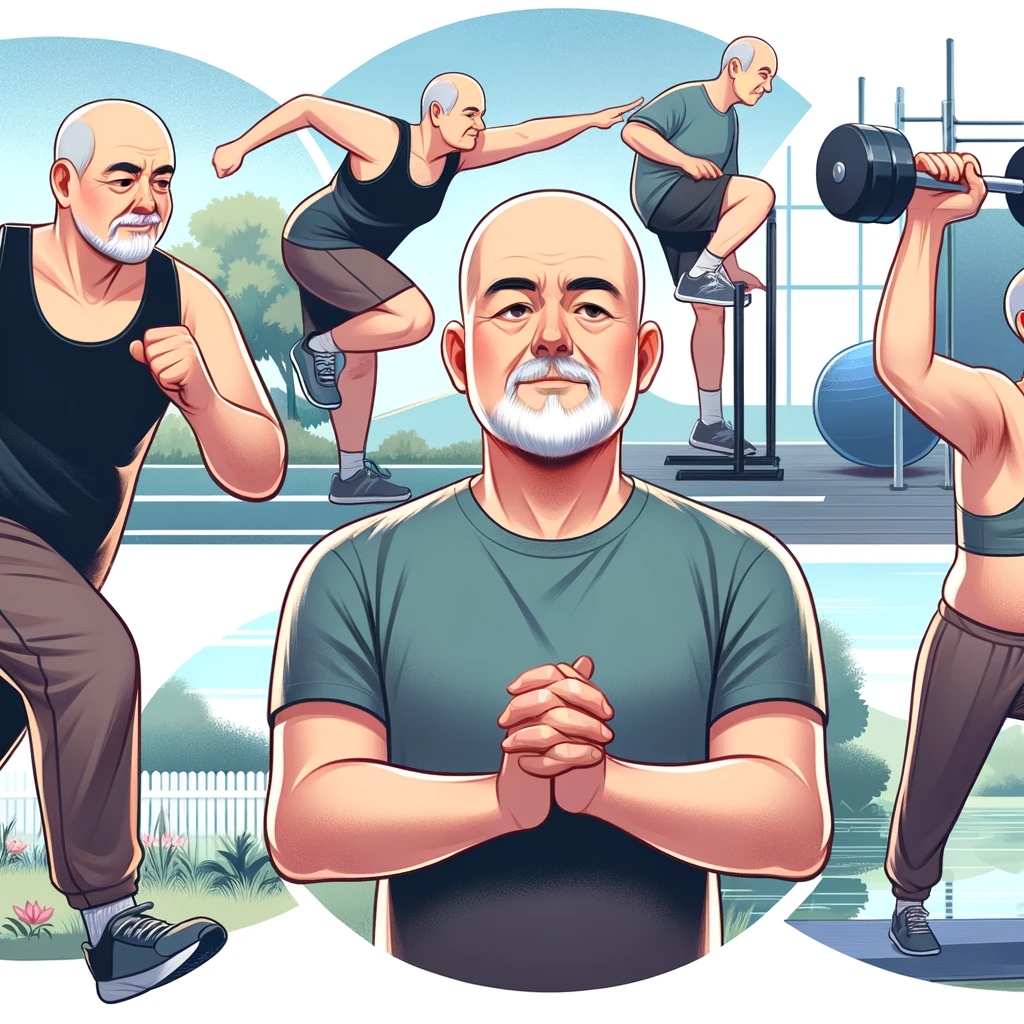
Choosing activities that I find interesting and enjoyable will help me to stick with it. There are 3 areas I’ll be working on, Aerobic, Strength, and Flexibility/Balance exercises. Here’s my break down:
Aerobic Exercises
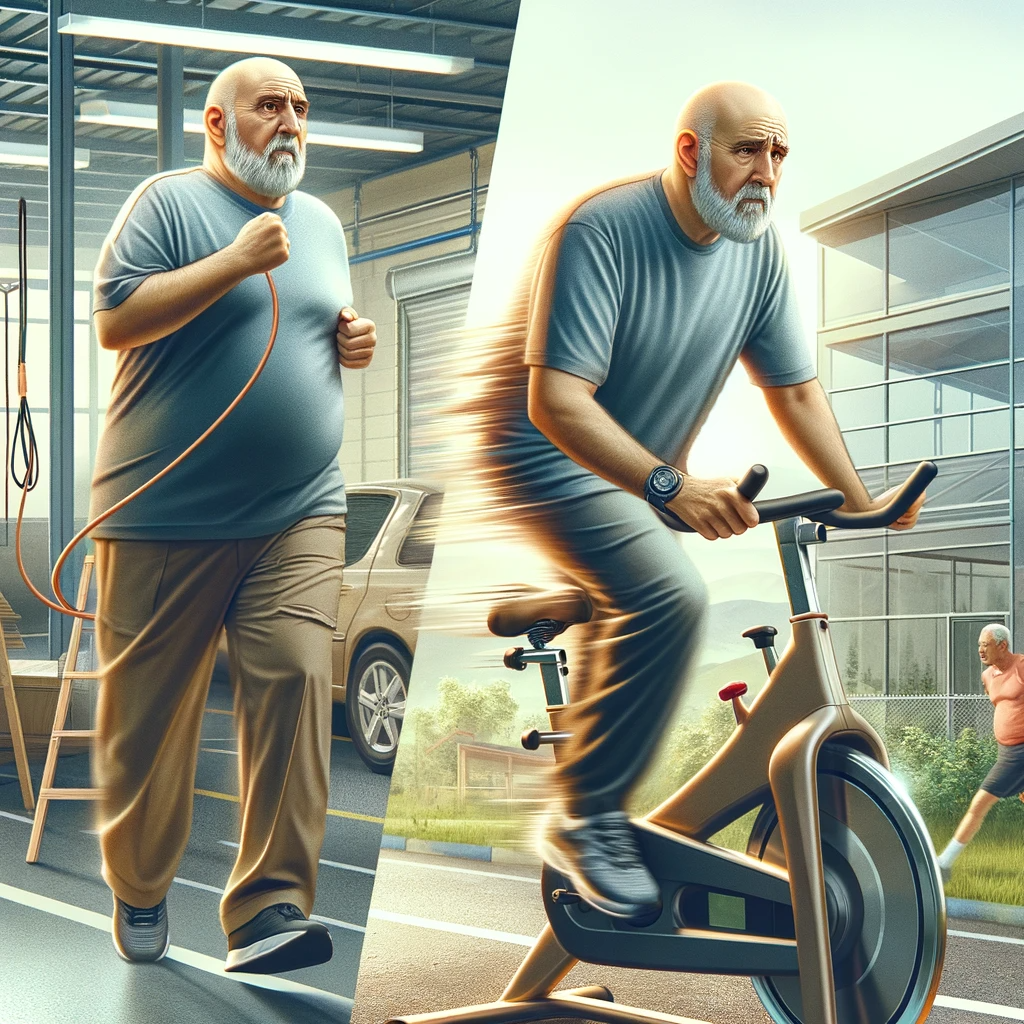
At the current time, I am only able to incorporate walking and cycling into my plan. Walking, which is easy, I walk 8 hours a day at a relatively fast pace for work. I also have a exercise bike for the cycling. Come summer, I’ll clear the carport and be able to jumprope. I have no way to include swimming at this time, although I may try to budget a membership at a local fitness center in nearby hospital sometime in the future.
walking
jump-rope
cycling
swimming
Strength Training
I’m going to be very basic with this. Just plain simple calesthenics(bodyweight) exercises. I do have some resistance bands I may work into it too.
calesthenics
resistance bands
Flexibility & Balance
In the past, I’d been very good with my balance and my flexibility. For some reason, lately, both have declined drastically.
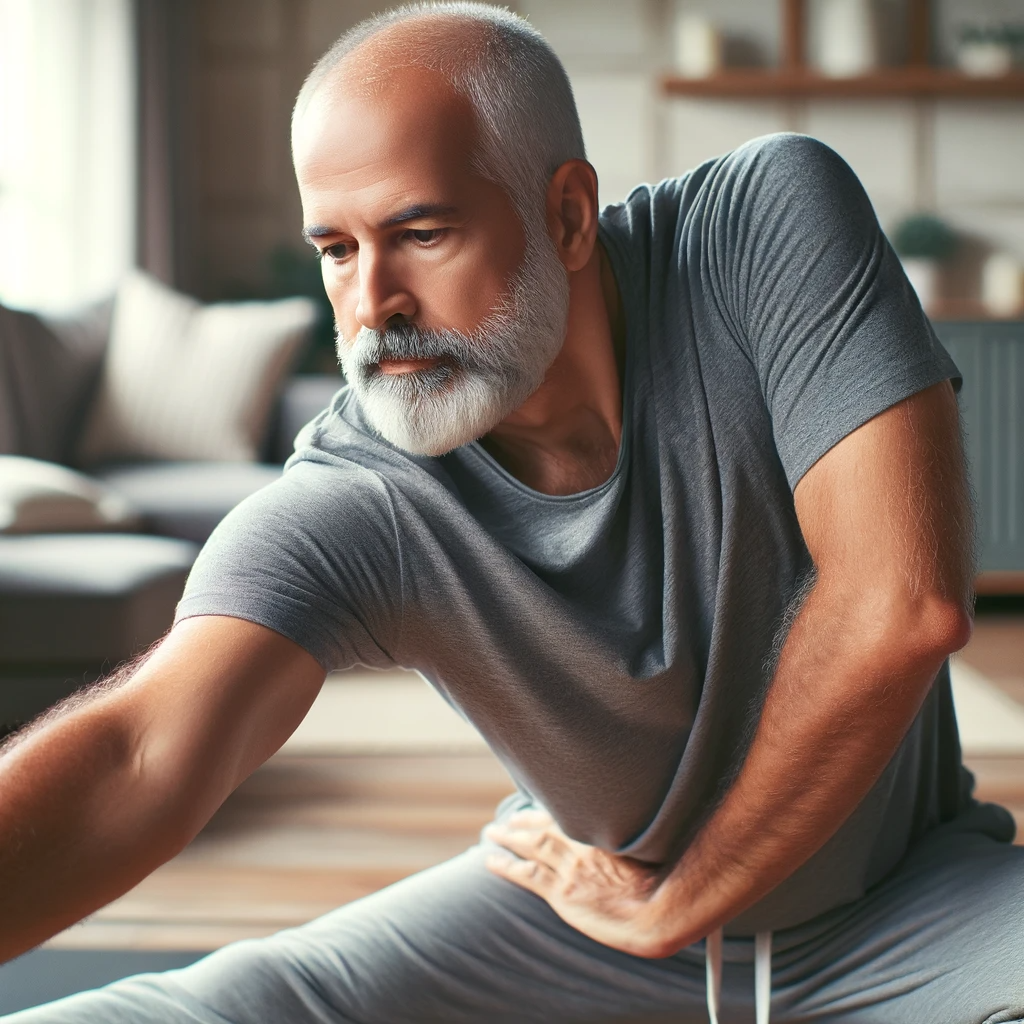
I already have a plan for a stretching routine, and a small yoga set. Tai Chi I have to do some research on and see how plausible it is for me to be able to learn it at home.
stretching
yoga
tai chi
Gradually Increase Intensity:
Starting off at a comfortable level and gradually increasing the intensity and duration of my workouts will help me prevent injuries (I’ve gone through that in the past). I plan to do full body workouts on Monday, Wednesday and Friday with Active Rest days on Tuesday, Thursday, and Saturday. Sundays will be full rest.
Staying Active:
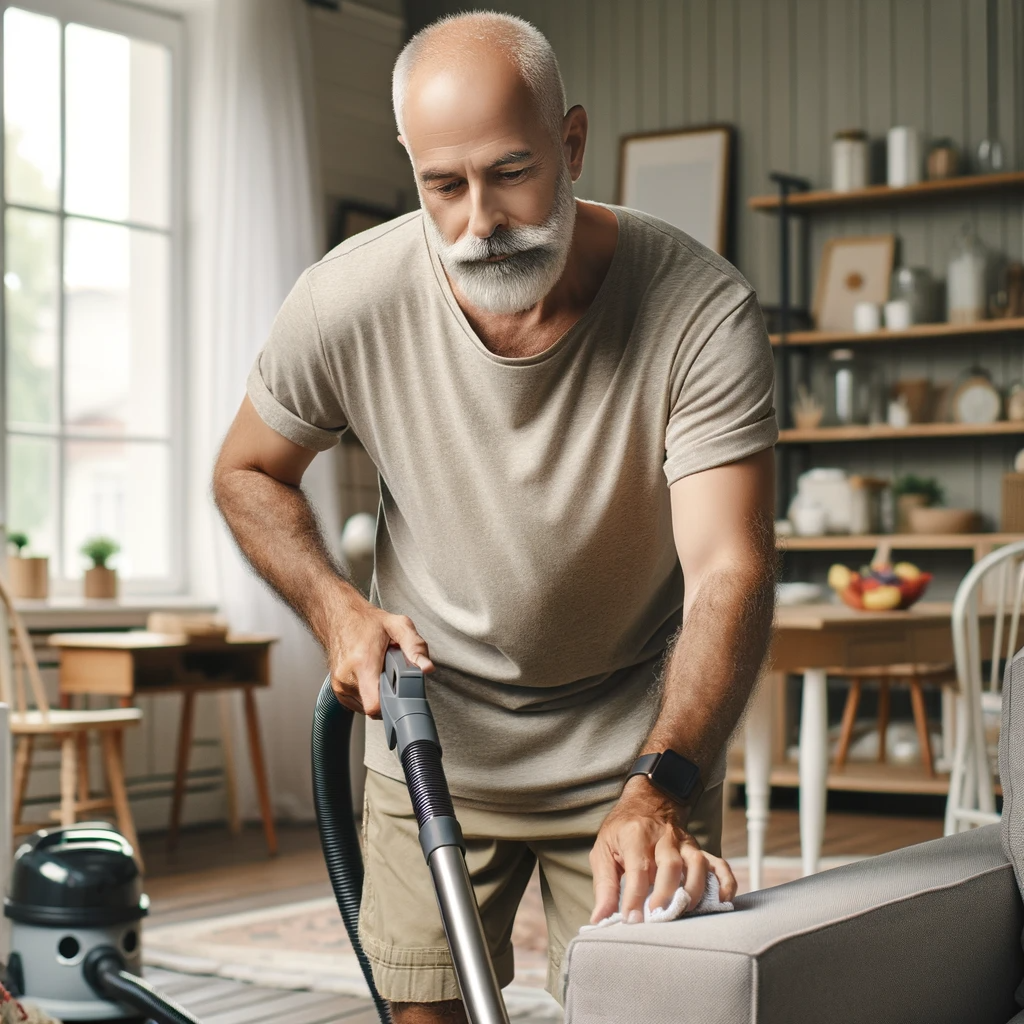
Currently I’ve become very sedentary. Besides my exercise routine, I just plan to increase my basic physical activity around the house. There is a huge list of things I can do around here, I’ll take breaks when I need to, but just keep knocking away at that list and do my best to not be a couch potato. I’m going to either invest in a standing desk or build one when I am able. You can visit My Projects page to see what all I’m working on.
You can read more about the details of my fitness plan here.
For my WOE(way of eating) , I plan on doing a few things.
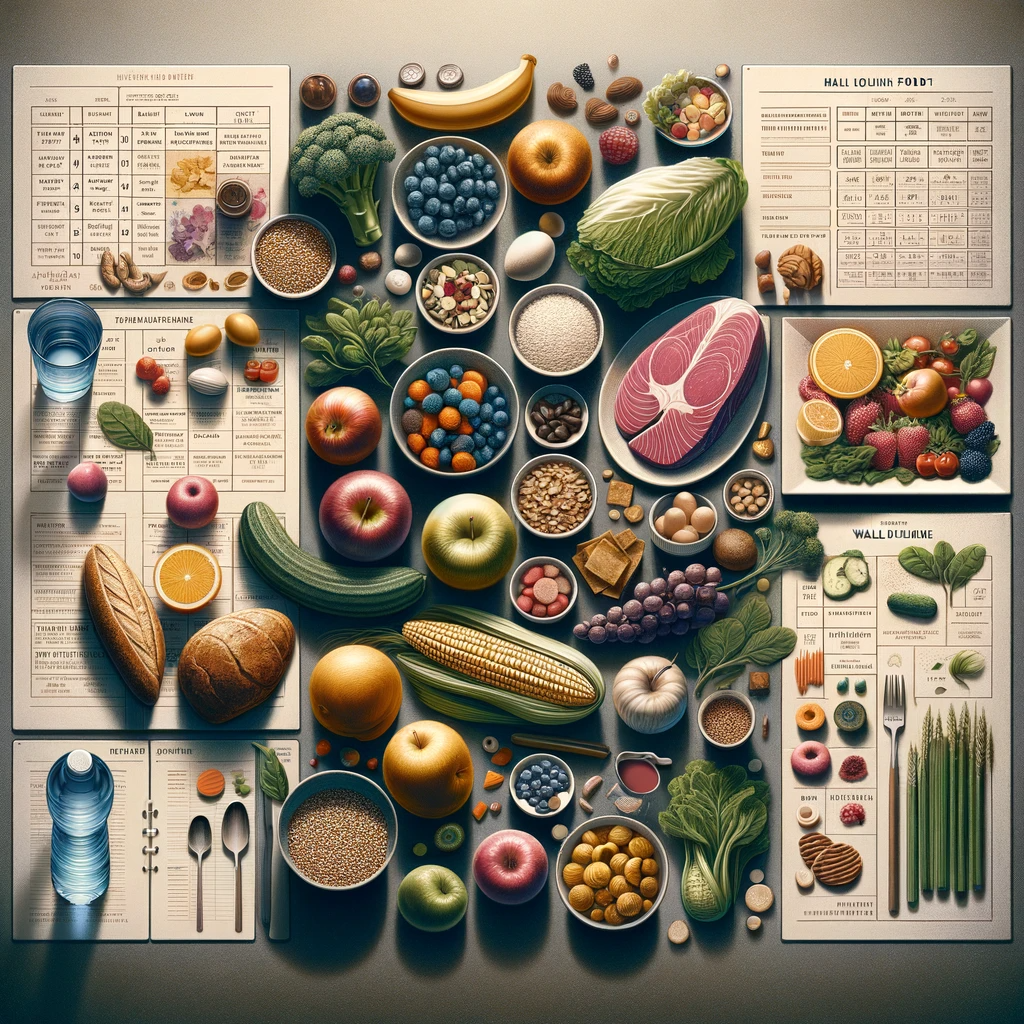
I’m going to mix the Mediterranean and Okinawan diets.
I am focusing primarily on Protein intake. Goal is 170 grams/daily.
I will plan to stay in a caloric deficit, starting plan will be 1700 calories daily, adjust from there.
My plan is to have my largest meal in the morning and work toward smaller meals until end of day.
You can check into the details and more information on my main Nutrition-W.O.E. post.
Vitamins, Minerals and other Supplements:
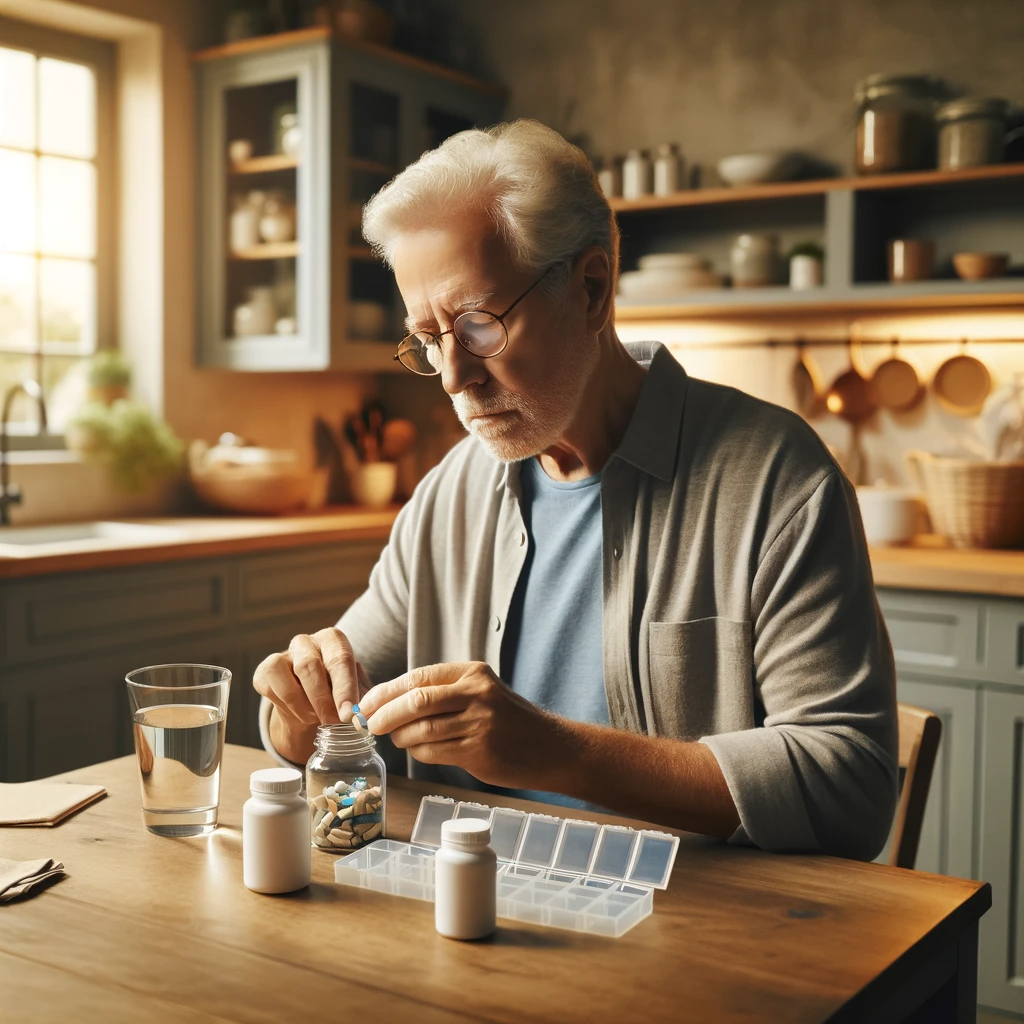
I’ll be supplementing my diet with necessary vitamins and minerals to ensure the body functions properly. I’m also incorporating other supplements for both mental and physical support. Click this link to see my current supplement stack.
Mindful Eating Practices:
Paying attention to hunger and fullness cues and savoring meals can create a more satisfying and nourishing eating experience. I have a bad habit of eating when bored or just a habit of munching off and on throughout the day. I plan to cut that out, and be mindful when I’m eating, not stuffing myself. Pay attention to my food as I eat and stopping before I become a stuffed turkey!
So, a breakdown on my eating plan:
mix of mediterranean & okinawan diet
creating a weekly meal plan
meal prep
tracking my food
calorie restriction
You can read more details about my Nutrition/W.O.E. plan here.
Mental health is a critical component of overall health and well-being as we age. Maintaining good mental health can help older adults continue to lead fulfilling, engaged lives even as they experience physical declines. Unfortunately, mental health issues are common in late life – according to the CDC, 20% of adults aged 55 or older experience some mental health disorder such as anxiety, depression, or dementia. Focusing on mental health promotion and treatment in older populations is vital.
Good mental health contributes to an older adult’s quality of life in many ways. It can help buffer against loneliness and social isolation. Depression in particular is linked to greater disability and poorer health outcomes in older adults. Good mental health also allows older adults to better manage stress, adapt to life changes such as retirement or widowhood, and handle new physical limitations. Additionally, positive psychological traits like optimism and purpose in life have been associated with reduced risk of cognitive decline and dementia.
There are several strategies that can promote better mental health as we age. Staying physically active, maintaining social connections, learning new skills, volunteering, and accessing mental health services if needed are examples. Getting treatment for conditions like depression or anxiety can prevent worsening. Combating ageism and negative stereotypes about aging that harm self-esteem is also important. With proper attention and care, the mental health needs of our rapidly growing older population can be met. Policy changes to improve access to mental health services for seniors are essential. Prioritizing mental health promotion across communities could result in tremendous benefits to quality of life and health outcomes for aging adults.
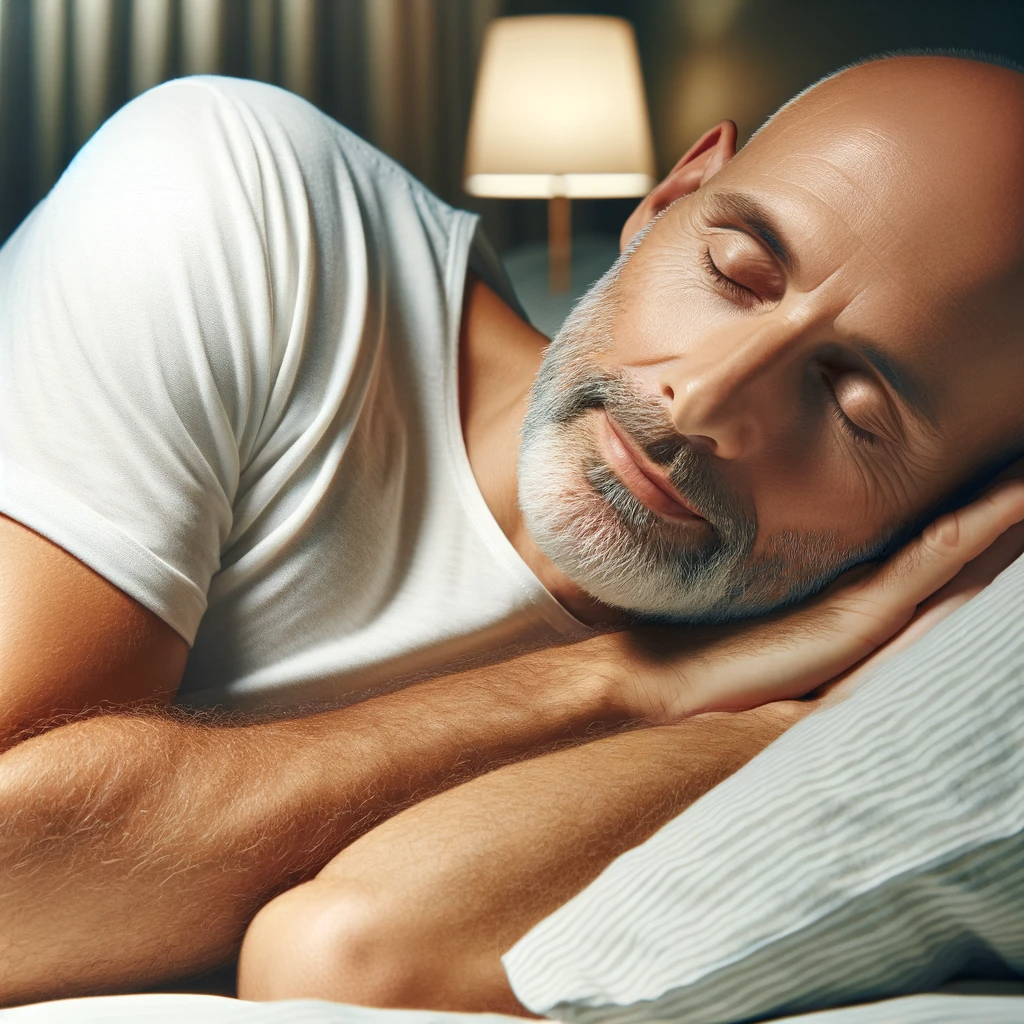
In this blog post, I’m diving into the importance of sleep and rest when it comes to improving healthspan and longevity. I’m not an expert, just someone who’s been researching this topic and working on getting better at it myself. I’ll be sharing what I’ve learned about how our sleep cycles work, the role of hormones, and how all of this affects our mental and emotional health. I’ll also talk about what can happen when we don’t get enough sleep—things like faster aging, more health problems, and issues with mental health.
Along the way, I’ll offer some simple tips I’m trying to implement myself, like creating a better sleep environment, sticking to a routine, and adjusting diet and exercise to help improve sleep. It’s not just about getting a good night’s rest, though—I’ll also touch on the importance of taking breaks and letting both your body and mind recover throughout the day. Lastly, I’ll share some easy ways to track and improve sleep quality on your own. So, if you’re like me and trying to sleep better to feel better, join me in learning more about how we can all get the rest we need for a healthier life.
Incorporating restorative practices into daily life:
napping when needed
taking regular breaks
engaging in activities that promote relaxation
Regular Health Check-Ups
Regular medical, dental, and eye exams detect potential health issues early.
regular check-ups
screenings and vaccinations for seniors
managing chronic conditions and medications
preventative measures for maintaining good health
Conclusion
Living a healthy lifestyle is an investment in yourself. By focusing on nutrition, physical activity, mental wellness, self-sufficiency, and regular check-ups, you embrace a path of longevity, graceful aging, and a level 10 life.
My 2026 Plan: Rebuilding After the Year That Almost Killed Me Last February, I published my 2025 plan. Ten focus areas. Ambitious goals. Detailed strategies for the year ahead. Two...
The old house. Lorem ipsum dolor sit amet, consectetur adipiscing elit. Ut elit tellus, luctus nec ullamcorper mattis, pulvinar dapibus leo. Lorem ipsum dolor sit amet, consectetur adipiscing elit....










Leave a Comment