
*Disclaimer*
“Some of the links below are affiliate links, meaning at no additional cost to you, I may earn a commission if you click through and make a purchase”
*Disclaimer*
“The information provided in this blog post is for educational purposes only and is not intended as a substitute for professional medical advice, diagnosis, or treatment. Always seek the advice of your physician or another qualified mental health provider with any questions you may have regarding a medical condition.”
Discovering Ikigai: A Journey into Everyday Fulfillment
After my mother’s passing, I found myself at a crossroads, grappling with loss and a yearning for deeper meaning. Her battle with dementia was a painful reminder of life’s fragility, leading me to seek a renewed sense of purpose. In my search for answers, I came across the Japanese concept of Ikigai- a “reason for being.”
Initially, I misunderstood Ikigai as a lofty goal or a singular life purpose. Over time, I’ve learned its essence lies in appreciating the everyday moments that make life meaningful.
What Is Ikigai?
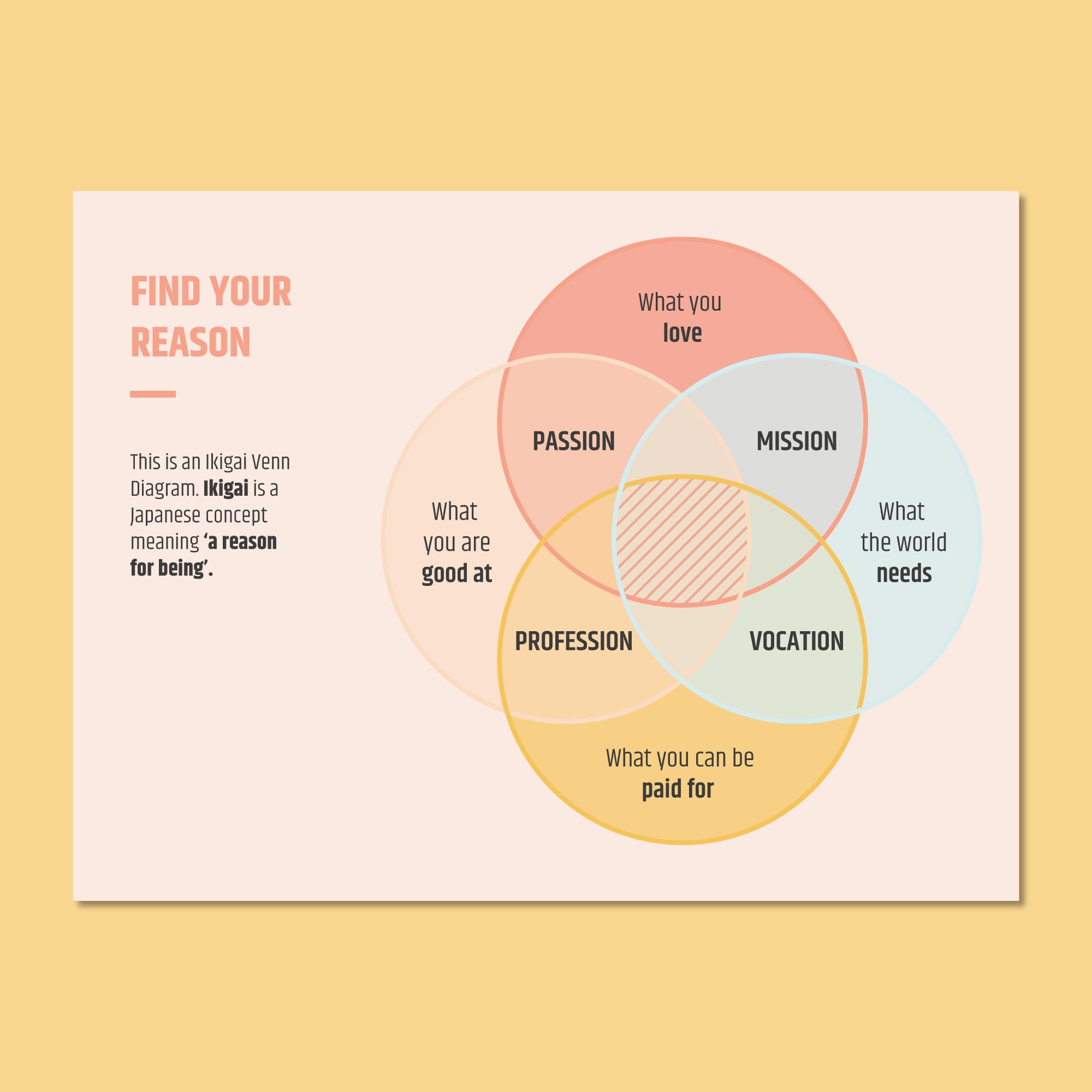
In Western culture, Ikigai is often visualized as a four-circle Venn diagram intersecting passion, mission, vocation, and profession. While this structured approach is helpful, it doesn’t fully capture Ikigai’s authentic Japanese meaning. True Ikigai isn’t about grand achievements but about finding joy in the simple, often overlooked moments of life.
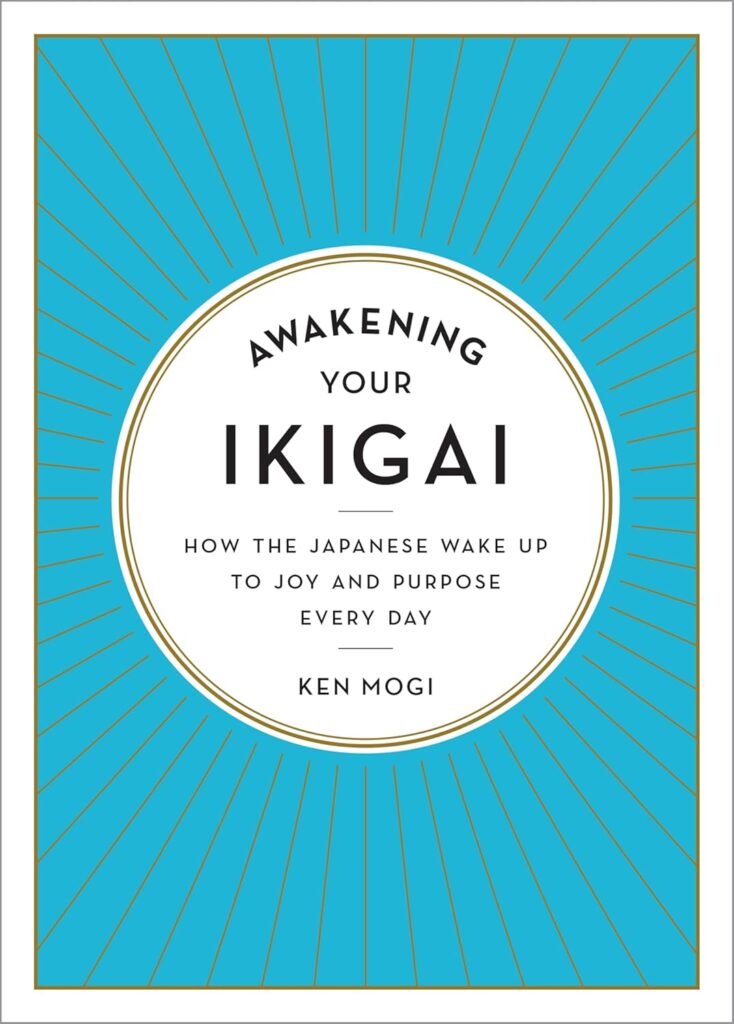
The Five Pillars of Ikigai by Ken Mogi
In Awakening Your Ikigai, neuroscientist Ken Mogi introduces five pillars that form the foundation of Ikigai:
Starting Small (Kodawari): Embrace small, deliberate actions in daily life.
Example: I start my day with a cup of coffee, savoring its warmth and aroma as a moment of calm.
Releasing Yourself (Jiyūna Jibun): Let go of perfectionism and embrace who you are.
Example: I’ve learned to appreciate my introverted nature and its strengths.
Harmony and Sustainability (Nagai Iki): Seek balance and think long-term.
Example: Balancing work, relationships, and self-care has brought me peace.
The Joy of Little Things (Shinsetsu): Find happiness in simple pleasures.
Example: A handwritten note or a walk outdoors brightens my day.
Being in the Here and Now (Ima): Live fully in the present moment.
Example: Practicing mindfulness helps me appreciate life as it unfolds.
Mogi emphasizes that Ikigai is about embracing life’s simple joys and finding contentment in the present. You can find his book on Amazon HERE.
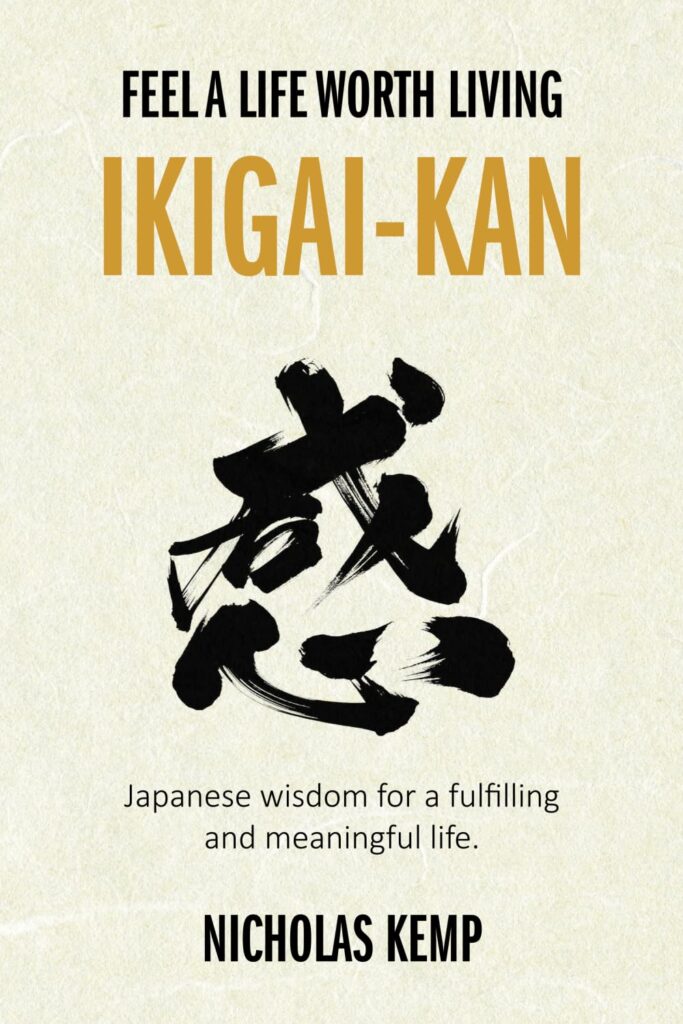
Nicholas Kemp, in his book Ikigai-kan: Feel a Life Worth Living, highlights Ikigai as an emotional state rather than a conceptual framework. He explores the emotional and psychological dimensions of Ikigai:
Emotional Fulfillment: Ikigai is about finding satisfaction in everyday activities.
Multiple Sources: It’s not about one purpose but many small joys.
Cultural Context: Understanding Ikigai requires appreciation of Japanese values like simplicity and subtlety.
Interested in Kemp’s insights? You can purchase his book on Amazon HERE.
Finding My Ikigai
While Kemp’s insights deepened my understanding of Ikigai, I began reflecting on how this philosophy applies to my own life. Ikigai is a Japanese concept that translates to “reason for being.” It’s not about chasing success or material wealth but about finding meaning in life’s everyday moments. For me, discovering my ikigai has been a journey of reflection, growth, and gratitude—a way to align my actions with what truly matters.
At the heart of my ikigai is the pursuit of a meaningful and fulfilling life. Here’s what it looks like for me:
Nurturing Health and Longevity
I find purpose in improving my healthspan and lifespan—not just to live longer but to make every day count. Whether it’s preparing balanced meals, exercising, or learning about nutrition, these practices bring me a sense of vitality and accomplishment.Living with Intention
Simplifying my life and creating a peaceful environment is a key part of my journey. From decluttering my home to remodeling and organizing, these small actions help me feel grounded and in control of my space and mind.Sharing My Journey
Through my blog and social media, I share my experiences—not as an expert, but as someone navigating this path alongside others. By connecting with people who seek healthier, more meaningful lives, I find joy in creating a sense of community and shared purpose.Cherishing Connections
My family is an essential part of my life’s purpose. Spending time with my granddaughter, reflecting on the lessons I’ve learned from loved ones, and honoring my family’s legacy motivate me to keep growing and improving.Growing Through Creativity
Exploring creative outlets like writing, drawing, and music gives me a way to express myself and experience life more fully. These activities remind me that growth doesn’t have to be about achieving—it can simply be about enjoying the process.
Ikigai isn’t a goal—it’s a way of living. It’s about finding meaning in the small, intentional actions I take every day and aligning them with what brings me fulfillment, joy, and peace. Writing about this journey, sharing my experiences, and embracing the challenges and rewards along the way have become central to my life.
By discovering and living my ikigai, I’m not only creating a better life for myself but also inspiring others to find their own sense of purpose.
Embracing Ikigai in My Life
I’ve started weaving Ikigai into my daily routine through small, meaningful practices:
Morning Rituals: I begin each day with journaling and coffee, savoring the moment instead of rushing.
Welcoming My Introversion: I honor my quieter nature, focusing on deeper connections.
Practicing Presence: Whether doing chores or walking outdoors, I stay grounded by noticing the sounds, textures, and scents around me.
Fostering Relationships: I’ve become more intentional about spending time with people who bring joy and reciprocity to my life.
Finding Joy in Small Things: From enjoying a favorite song to watching a sunset, I’ve learned to pause and appreciate the little things.

Ikigai and Mental Health
Embracing the philosophy of Ikigai has had a profound impact on my mental health. By shifting my focus from grand achievements to the small, meaningful moments of daily life, I’ve found a sense of balance and calm that helps me navigate life’s challenges. Here are some specific ways Ikigai supports mental well-being:
1. Reduces Pressure and Stress
Ikigai teaches that fulfillment comes from appreciating life’s everyday joys rather than constantly striving for external success. This mindset helps reduce the overwhelming pressure to meet society’s high expectations. By valuing progress over perfection, I’ve learned to let go of stress and focus on what truly matters.
- Example: Instead of fixating on completing a massive decluttering project in a single day, I celebrate small victories. For example, when I’m short on time or having a low energy day, I’ll organize one drawer or clear one shelf.
2. Enhances Mindfulness
Living fully in the present moment—one of the core pillars of Ikigai—has helped me develop mindfulness. Practicing mindfulness grounds me, reduces anxiety, and allows me to savor the here and now.
- Example: As I walk through the store during my shifts, I use the time to practice mindfulness. Instead of rushing through my steps, I pay attention to the sensations in my body—the steady rhythm of my footsteps, the feel of the cart handle, and the smells in the store(not always pleasant). I try to notice small details, like the products’ colors or the aisles’ organization. This practice helps me stay present and transforms a routine task into an opportunity for calm and clarity.
3. Promotes Self-Compassion
Ikigai emphasizes self-acceptance and embracing who you are. This philosophy has encouraged me to approach myself with kindness and understanding rather than harsh judgment. Learning to see my flaws and struggles as part of my journey has been a powerful step toward self-compassion.
- Example: When I feel overwhelmed or fall short of a goal, I remind myself that it’s okay to pause, regroup, and try again without guilt.
4. Builds Emotional Resilience
Finding joy and purpose in small, intentional actions creates a foundation of resilience. By cultivating gratitude and meaning in everyday life, I’ve discovered an inner strength that helps me face difficulties with a more positive outlook.
- Example: During times of stress, I reflect on the moments that brought me joy that day, such as a kind word from a friend or the satisfaction of completing a small task. These reflections help me stay grounded and hopeful.
5. Fosters Connection
Ikigai encourages nurturing meaningful relationships, which are essential for mental health. Spending quality time with loved ones and building connections based on reciprocity and joy creates a strong emotional support system. This is my biggest strife, largely in due to my lone-wolf nature.
- Example: Reaching out to friends or family for heartfelt conversations can strengthen connections and bring more value to your life.
6. Encourages a Sense of Purpose
Having a reason to wake up each morning—whether it’s a project I’m excited about, a healthy meal I want to prepare, or simply enjoying my morning coffee—provides a sense of purpose that wards off feelings of emptiness and stagnation.
- Example: On challenging days, focusing on my personal ikigai—like creating content for this blog or improving my home—gives me direction and keeps me moving forward.
Why This Matters
Mental health is often a complex and delicate balance. By incorporating Ikigai into my life, I’ve found a practical framework for nurturing my well-being. It doesn’t require a complete overhaul or a major life change—just small, meaningful actions that align with what brings me joy and fulfillment.
Actionable Steps to Find Your Ikigai
- Identify Your Daily Joys: Make a list of small activities that bring you happiness, no matter how mundane they may seem.
- Practice Mindfulness: Take moments throughout the day to pause, breathe, and appreciate your surroundings.
- Embrace Your Authentic Self: Acknowledge your feelings and preferences without judgment or the need to conform.
- Cultivate Meaningful Connections: Nurture relationships that bring you joy and support.

Further Exploration
To deepen your understanding of Ikigai, explore these resources:
Books:
Awakening Your Ikigai by Ken Mogi (Amazon link)
Ikigai-kan: Feel a Life Worth Living by Nicholas Kemp (Amazon link)
Other Ideas:
Coffee Mug I want to buy (Amazon link)
Gratitude journals for reflection (Amazon link)
Visualizing Ikigai
Ikigai is not a grand achievement or an abstract idea—it’s woven into the simple, meaningful moments of daily life. Here are real-life examples of how Ikigai can manifest in different areas of life:
1. Starting the Day with Intention
- Savoring a quiet moment with a warm cup of coffee while journaling about gratitude or plans for the day.
- Taking a deep breath at sunrise, appreciating the beauty of the morning before the day’s demands begin.
2. Finding Fulfillment in Work
- Enjoying the rhythm of walking through the store during a shift, noticing the sense of accomplishment as tasks are completed.
- Taking a moment to connect with a coworker or help a customer, finding satisfaction in creating a positive experience for someone else.
3. Creating Small Moments of Joy
- Preparing a simple meal and appreciating the aroma, textures, and colors of the ingredients.
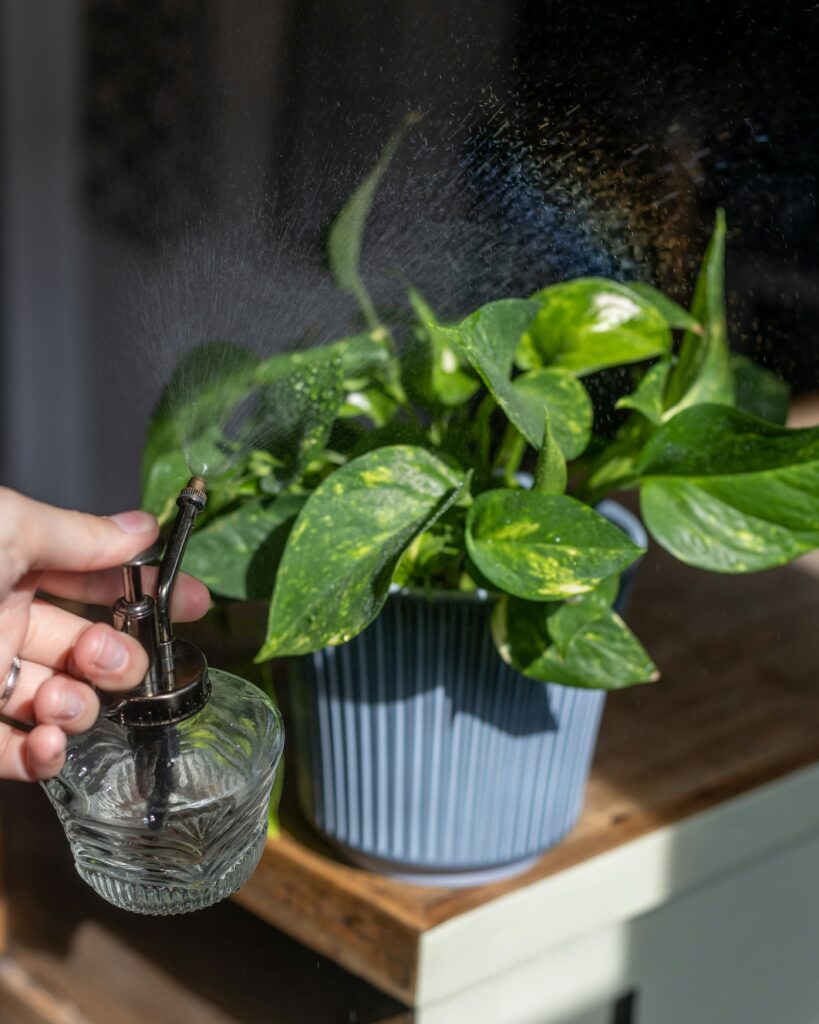
- Watering plants in the garden or caring for a pet, finding purpose in nurturing life.
4. Strengthening Relationships
- Having an unhurried conversation with a loved one over dinner, focusing on truly listening and connecting.
- Sending a thoughtful message or note to a friend, sharing a memory or words of encouragement.
5. Practicing Presence During Chores
- Folding laundry or washing dishes while noticing the sensations—the warmth of the water, the softness of fabrics—and using the time to center your thoughts.
- Cleaning and organizing a space, not as a chore but as an act of care for yourself and your environment.
6. Finding Peace Outdoors
- Walking in nature and observing the small details—the sound of leaves rustling, birds singing, or the feel of the ground underfoot.
- Sitting outside in the evening, watching the sunset, and letting the stillness bring a sense of calm.
7. Ending the Day with Reflection
- Journaling about the day’s small victories, moments of gratitude, or lessons learned.
- Reading a book that inspires you or relaxes your mind as you wind down for the night.



Why These Practices Matter
These small, intentional actions illustrate how Ikigai can integrate seamlessly into your life. They remind us that purpose and fulfillment are not found in extraordinary events but in the meaningful ways we interact with our world every day.
Final Reflections
Ikigai has taught me to find joy in the everyday. It’s not about chasing grand achievements but cherishing the small moments that make life meaningful. By embracing this philosophy, I’ve discovered a renewed sense of purpose and peace.

What’s your Ikigai? Share the small joys that bring meaning to your life in the comments. Let’s inspire each other to find happiness in the everyday moments.



Leave a Comment