
Discovering Ikigai: A Journey into Everyday Fulfillment
After my mother’s passing, I found myself at a crossroads, grappling with loss and a yearning for deeper meaning. Her battle with dementia was a painful reminder of life’s fragility, leading me to seek a renewed sense of purpose.
Then, in 2025, a triple bypass surgery made that search even more urgent. When you’re lying in a hospital bed wondering what comes next, the big questions don’t wait politely. What actually matters? What am I here for?
In my search for answers, I came across the Japanese concept of Ikigai — a “reason for being.”
Initially, I misunderstood Ikigai as a lofty goal or a singular life purpose. Over time, I’ve learned its essence lies in appreciating the everyday moments that make life meaningful.
What Is Ikigai?
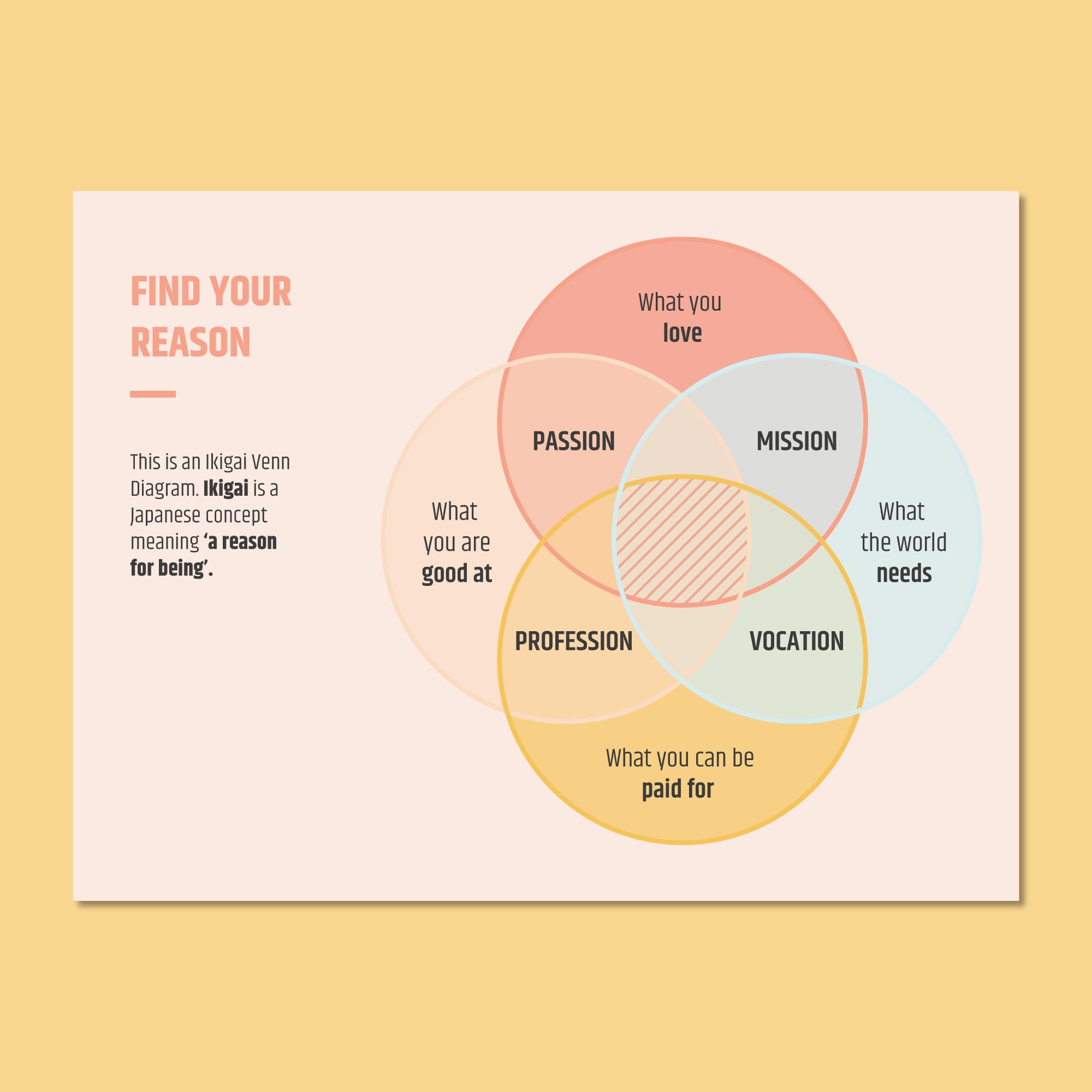
In Western culture, Ikigai is often visualized as a four-circle Venn diagram intersecting passion, mission, vocation, and profession. While this structured approach is helpful, it doesn’t fully capture Ikigai’s authentic meaning.
Here’s something worth knowing: that famous diagram isn’t ancient Japanese wisdom. It traces back to a 2014 blog post by Marc Winn, who merged an existing purpose diagram — commonly credited to Andrés Zuzunaga (2011) — with his understanding of Ikigai. It spread online and got labeled “traditional” along the way.
The actual roots of Ikigai go much deeper. Some researchers trace the concept back to Japan’s Heian period (794–1185), where it was tied more to the will to live — a basic, human drive — than to career achievement or productivity. The Oxford English Dictionary defines it simply as a motivating force: something or someone that gives a person a sense of purpose or reason for living.
That older meaning is the one that resonates with me now. True Ikigai isn’t about grand achievements. It’s about finding reasons to keep going — woven into the simple, often overlooked moments of life.
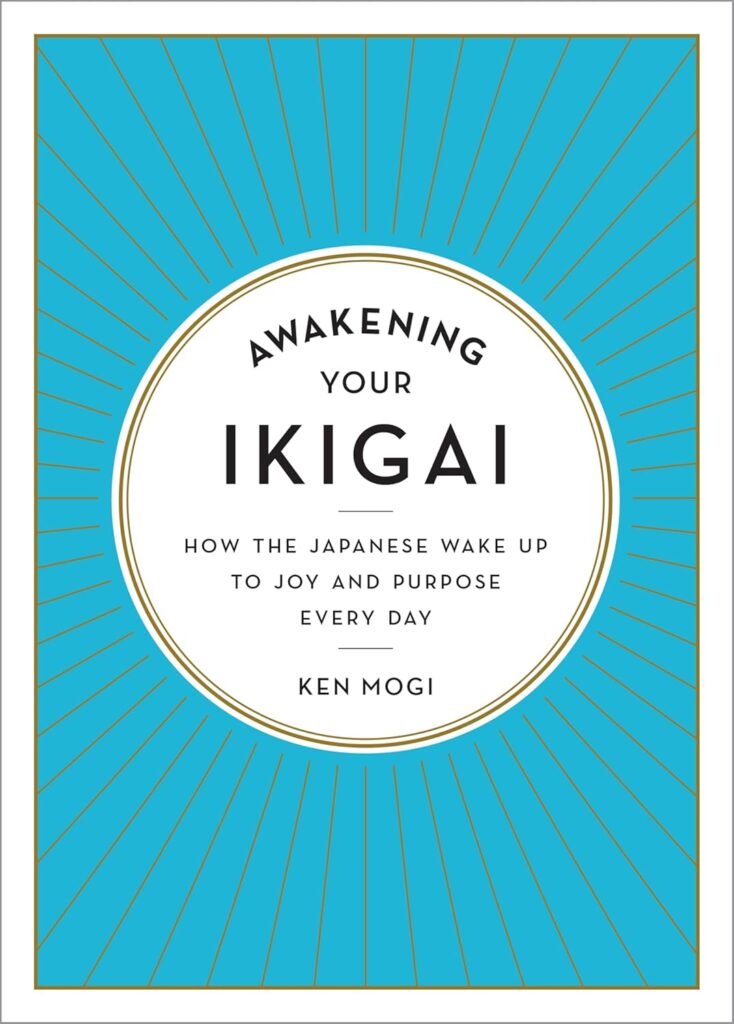
The Five Pillars of Ikigai by Ken Mogi
In Awakening Your Ikigai, neuroscientist Ken Mogi introduces five pillars that form the foundation of Ikigai:
Starting Small (Kodawari): Embrace small, deliberate actions in daily life. I start my day with a cup of coffee, savoring its warmth and quiet as a moment of calm before the world starts asking things from me.
Releasing Yourself (Jiyūna Jibun): Let go of perfectionism and embrace who you are. I’ve learned to appreciate my introverted nature rather than fight it.
Harmony and Sustainability (Nagai Iki): Seek balance and think long-term. Balancing work, health, and self-care — even imperfectly — has brought more peace than chasing a perfect plan ever did.
The Joy of Little Things (Shinsetsu): Find happiness in simple pleasures. A quiet morning, a plant doing well on the windowsill, small visible progress on the house — these things matter more to me now than they used to.
Being in the Here and Now (Ima): Live fully in the present moment. Practicing presence — even during a long shift, even during hard days — helps me stay grounded.
Mogi emphasizes that Ikigai is about embracing life’s simple joys and finding contentment in the present. You can find his book on Amazon [HERE]. (affiliate link)
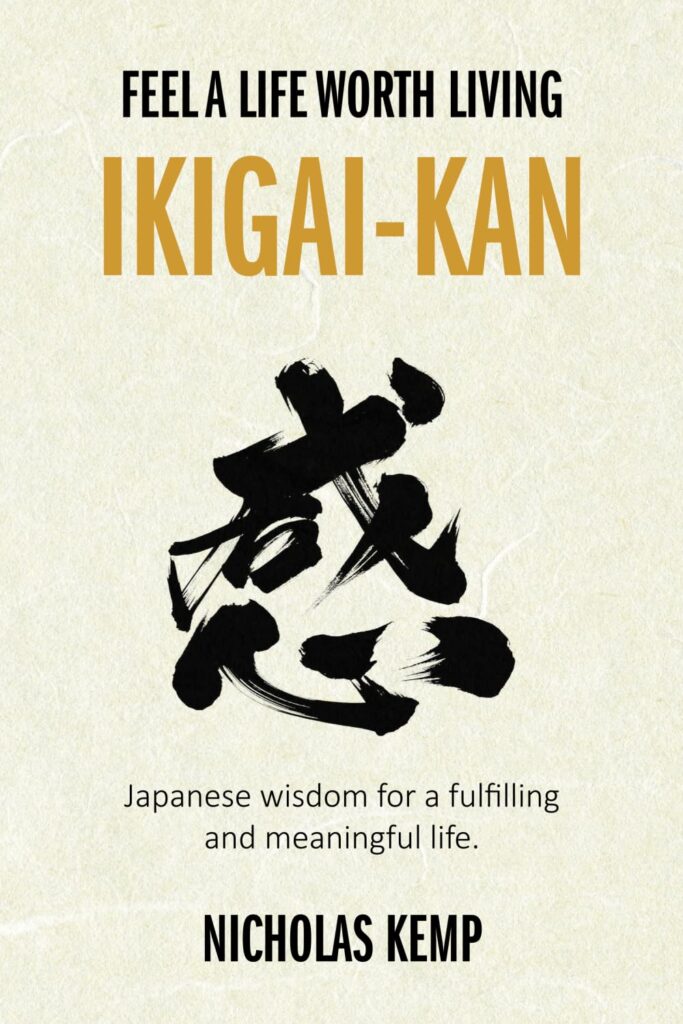
Nicholas Kemp, in Ikigai-kan: Feel a Life Worth Living, highlights Ikigai as an emotional state rather than a conceptual framework — built on everyday satisfaction, multiple sources of small joy, and an appreciation of simplicity. He explores the emotional and psychological dimensions of Ikigai:
Emotional Fulfillment: Ikigai is about finding satisfaction in everyday activities.
Multiple Sources: It’s not about one purpose but many small joys.
Cultural Context: Understanding Ikigai requires appreciation of Japanese values like simplicity and subtlety.
Interested in Kemp’s insights? You can purchase his book on Amazon HERE.(affiliate link)
Finding My Ikigai
Ikigai is a Japanese concept that translates to “reason for being.” It’s not about chasing success or material wealth — it’s about finding meaning in life’s everyday moments.
For me, discovering my ikigai has been a journey of reflection, growth, and gratitude. A way to align my actions with what truly matters after everything life has thrown at me.
At the heart of my ikigai is the pursuit of a meaningful and fulfilling life. Here’s what it looks like for me:
Nurturing Health and Longevity I find purpose in improving my healthspan and lifespan — not just to live longer but to make every day count. After bypass surgery, this stopped being abstract. It became personal and daily.
Living with Intention Simplifying my life and creating a peaceful environment is a key part of my journey. From decluttering my home to remodeling and organizing, these small actions help me feel grounded and in control.
Sharing My Journey Through my blog and social media, I share my experiences — not as an expert, but as someone navigating this path alongside others. That connection is its own kind of purpose.
Cherishing Connections My family is an essential part of my life’s purpose. Reflecting on the lessons learned from loved ones and honoring the people who shaped me motivate me to keep growing.
Growing Through Creativity Exploring creative outlets — writing, drawing, building — gives me a way to express myself and experience life more fully. Growth doesn’t have to mean achieving. Sometimes it’s just enjoying the process.
Ikigai isn’t a goal. It’s a way of living.
Embracing Ikigai in My Life
I’ve started weaving Ikigai into my daily routine through small, meaningful practices:
Morning Rituals: I begin each day with journaling and coffee, savoring the moment instead of rushing.
Welcoming My Introversion: I honor my quieter nature, focusing on deeper connections.
Practicing Presence: Whether doing chores or walking outdoors, I stay grounded by noticing the sounds, textures, and scents around me.
Fostering Relationships: I’ve become more intentional about spending time with people who bring joy and reciprocity to my life.
Finding Joy in Small Things: From enjoying a favorite song to watching a sunset, I’ve learned to pause and appreciate the little things.

Ikigai and Mental Health
Embracing the philosophy of Ikigai has had a real impact on my mental health. By shifting my focus from grand achievements to the small, meaningful moments of daily life, I’ve found a kind of balance that helps me navigate life’s challenges.
Here’s what I’ve noticed in myself:
Reduced Pressure and Stress Ikigai taught me that fulfillment can come from appreciating everyday joys rather than constantly striving for external success. Instead of fixating on completing a massive project in one day, I’ve learned to celebrate small wins — organizing one drawer, clearing one shelf, finishing one thing.
More Mindfulness Living in the present moment has helped me develop a steadier kind of attention. Even during long shifts at work, I practice noticing what’s around me — the rhythm of movement, small details — instead of just grinding through.
More Self-Compassion Ikigai’s emphasis on self-acceptance has encouraged me to approach myself with more kindness. When I feel overwhelmed or fall short of a goal, I remind myself that it’s okay to pause, regroup, and try again without guilt.
Emotional Resilience Finding joy and purpose in small, intentional actions has given me a foundation I didn’t have before. During hard stretches, I reflect on what went right that day — even something small. It helps me stay grounded.
A Sense of Purpose on Hard Days Having a reason to wake up each morning — whether it’s a project I care about, a healthy meal I want to make, or just that first quiet cup of coffee — gives me direction even when nothing else is going well.

Mental health is a complex and delicate balance. Incorporating Ikigai into my life hasn’t fixed everything — but it doesn’t require a complete overhaul either. Just small, meaningful actions that align with what brings me joy and fulfillment. That’s been enough to keep me moving.
Visualizing Ikigai
Ikigai isn’t a grand achievement — it’s woven into simple, meaningful moments. Here are real examples from my own days:
Starting the day with intention A quiet cup of coffee before the world starts. Journaling. Noticing the morning before it gets loud.
Finding fulfillment in the work Noticing the sense of accomplishment when tasks are done. The steady rhythm of a shift. The satisfaction of crossing something off.
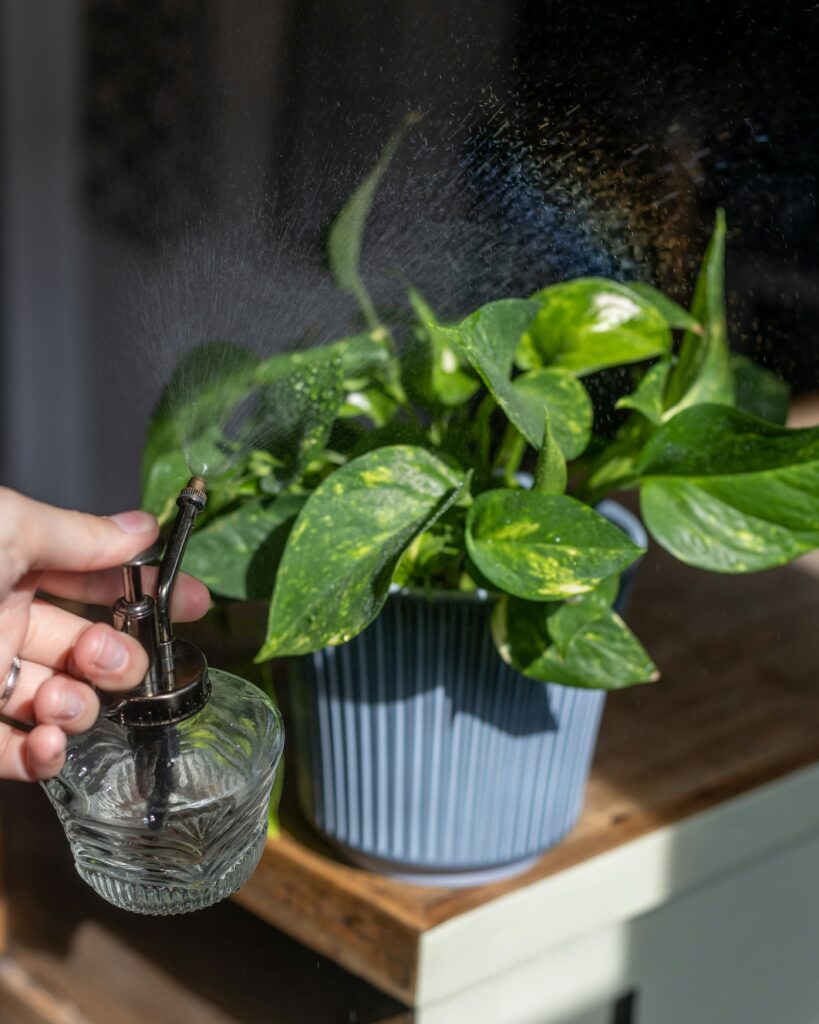
Creating small moments of joy Preparing a simple meal and actually tasting it. Watering the plants. Caring for something living.
Practicing presence during ordinary things Folding laundry, washing dishes, cleaning a space — not as chores to endure, but as small acts of caring for my own environment.
Finding peace outdoors Walking and noticing details. The sound of something. The feel of being outside. Letting the quiet do its work.
Ending the day with reflection Writing down what went right. What I’m grateful for. What I learned.
These aren’t heroic. But they’re real. And they’re enough to get me out of bed — even on hard days.



Something I Learned the Hard Way
One thing I’ve figured out in the second half of life:
If all my meaning sits in one place — one job, one identity, one plan — then life can take it all in one hit.
After surgery, after career shifts, after loss — I learned I needed more than one reason to keep going.
Not one big purpose. A handful of small ones.
Coffee still exists. The dogs still need feeding. The house still has things to fix. The blog still has something honest to build. The plants still grow.
That’s what I’m calling Ikigai now. Not a perfect intersection on a diagram. Just a collection of small, steady reasons that don’t all disappear at once.
What I’m Taking With Me
- I learned that purpose doesn’t have to be big to be real.
- I realized I don’t have to be “great” at something for it to matter to me.
- I noticed the smallest daily rituals are often the strongest anchors.
- I learned my purpose changes as life changes — and that doesn’t mean I’m failing.
I’m still figuring my life out. I’m still rebuilding.
But I’m not chasing a perfect intersection anymore. I’m paying attention to what keeps me steady.
And I’m calling that my Ikigai.

Further Reading
- Awakening Your Ikigai by Ken Mogi — [Amazon link] (affiliate)
- Ikigai-kan: Feel a Life Worth Living by Nicholas Kemp — [Amazon link] (affiliate)
If you’re in a season where life got rearranged, I’d love to hear what your small reasons are right now. Leave a comment below, or share this with someone who’s rebuilding too.
If you want more writing like this, my newsletter is where I send the quieter updates.





Leave a Comment