Healthspan
Living Better, Not Just Longer
Table of Contents
Introduction: What Healthspan Means to Me
As I write this, I’m still recovering from my open-heart surgery—a triple bypass that stopped me in my tracks and made me take a hard look at my life. But the truth is, this journey didn’t start in a hospital bed.
It started years ago, when I watched my father suffer a stroke that left him unable to speak or care for himself. Then I watched my mother slowly disappear into dementia, until she didn’t even recognize us anymore.
Those losses planted a seed. I didn’t just want to live longer. I wanted to live better. To stay strong, sharp, and independent for as long as I possibly could.
That’s what led me down this path—learning everything I could about healthspan, longevity, and building a life I wouldn’t lose too soon.
Still, nothing brings urgency like facing your own mortality. Waking up after open-heart surgery wasn’t the beginning of my journey—but it was the biggest wake-up call of my life.
That’s why I created This Old Man’s Life—to document this road, stay accountable, and share what I’m learning with anyone else walking a similar path.
What is Healthspan?
Most of us grow up thinking about lifespan—how many years we’ll get. But those years don’t mean much if we spend the last decade in a chair, hooked up to machines, or relying on others to get through the day.
That’s where healthspan comes in.
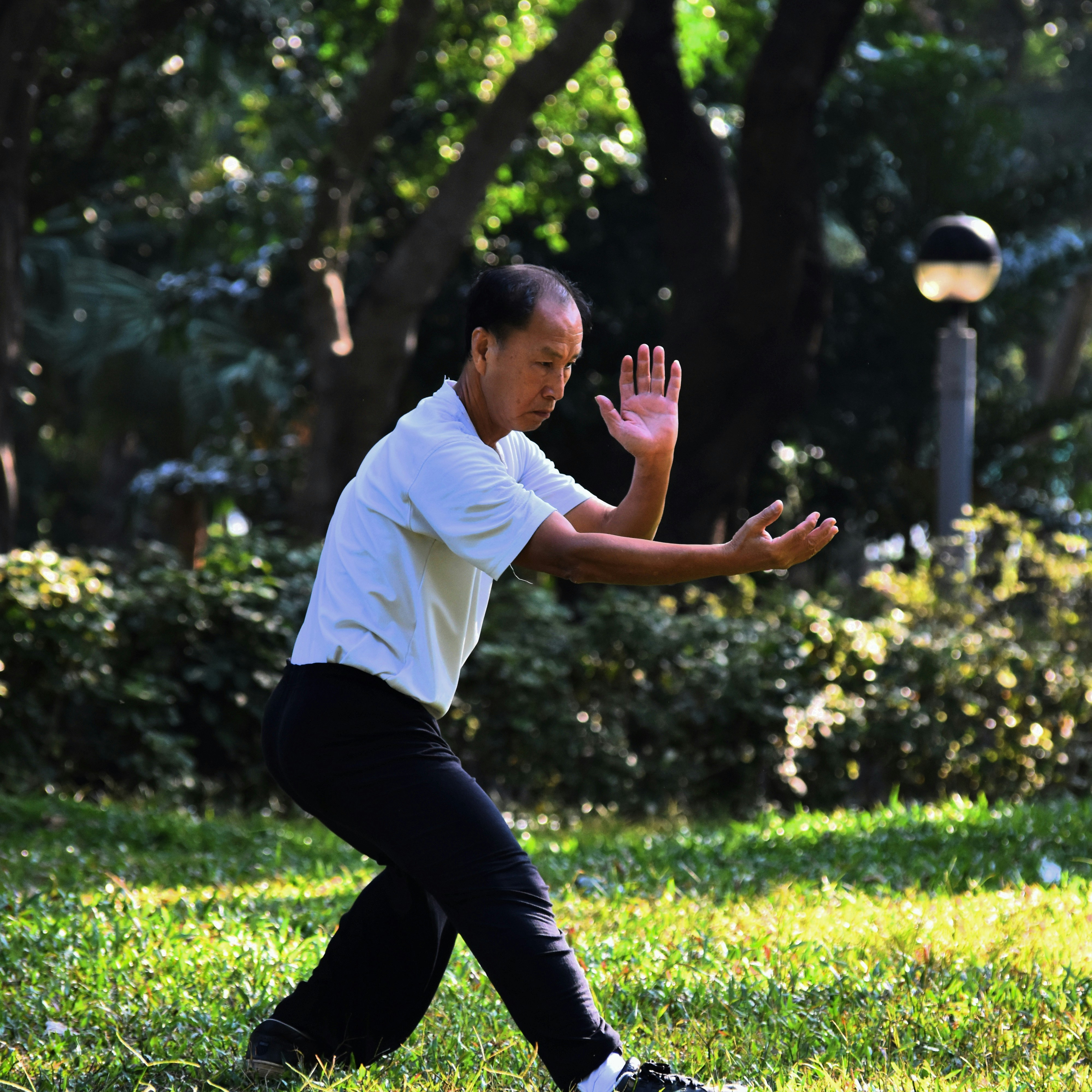
Healthspan is how long you stay healthy, active, and independent.
It’s not about counting the years—it’s about making the years count.
And after what I’ve seen—and lived through—I don’t just want more time. I want better time.
Why Healthspan Matters to Me
And Why It Might Matter to You Too
I didn’t always know what “healthspan” meant. But I sure knew what it looked like when someone lost it.
My dad was one of the strongest men I’ve ever known. He could knock me across the yard if he wanted to—and I was almost a foot taller than him. But when he had his stroke, everything changed. He lost his speech. He lost control of half his body. He lost his independence.
My mom’s decline was slower but just as painful. She started forgetting little things—like errands or bills. Then came the confusion. In the end, she forgot who we even were.
That’s when I found the work of Dr. Peter Attia, and the idea that we should train now for the kind of life we want later. He calls it the Centenarian Decathlon—a personal list of physical goals you want to still be able to do at 100.
He also talks about the Marginal Decade—those final ten years of life where everything gets harder if you haven’t prepared.
That idea hit me hard.
Then came my own health crisis: triple bypass heart surgery.
I don’t want my last decade spent in hospitals.
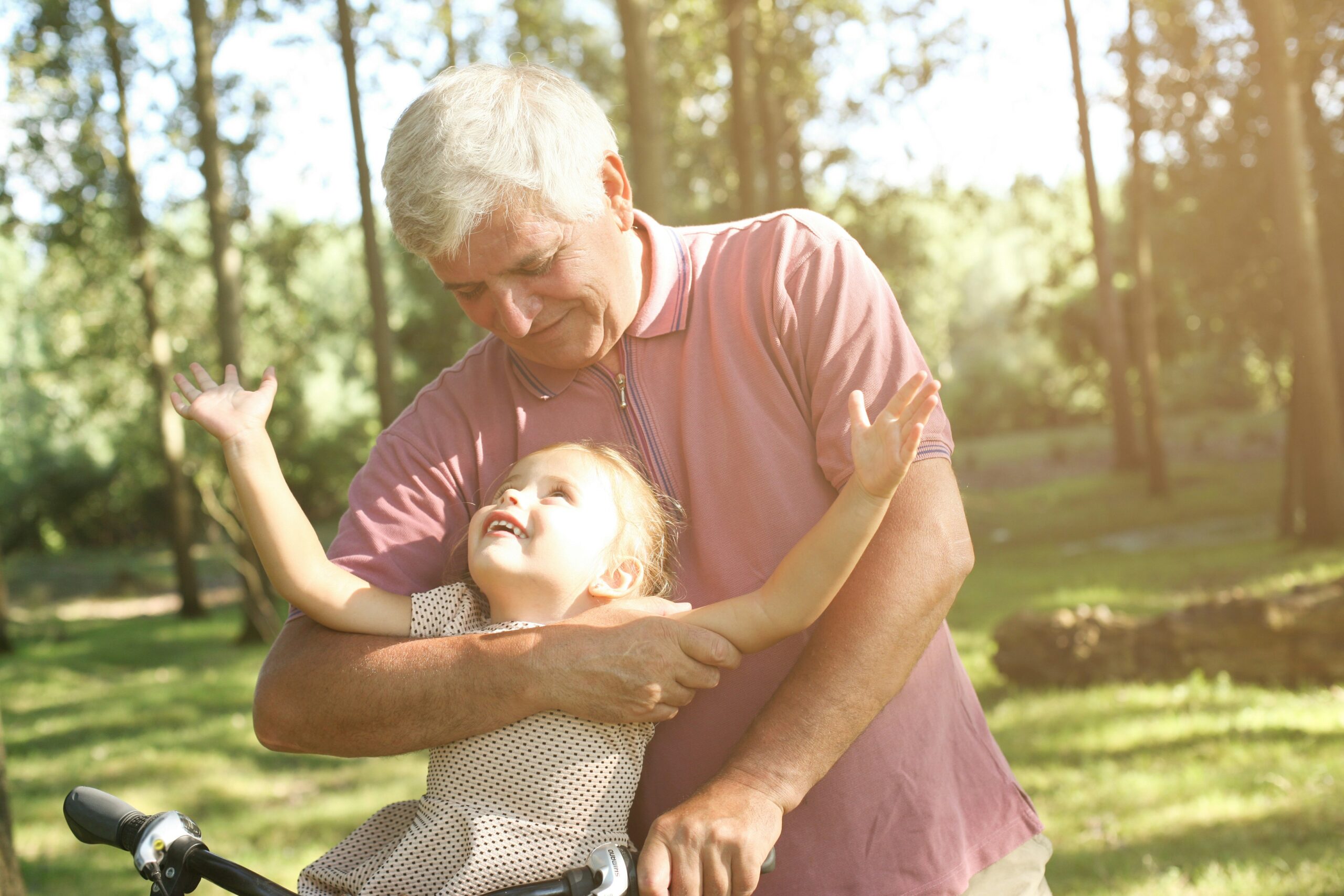
I want to be in my garden. On a walk. Dancing in the kitchen. Holding a grandchild.
Still me.
That’s what I’m training for now.
Related Link:
My Centenarian Decathlon Goals
After reading about it, I thought I would write down a list of my own. These are the things I want to still be able to do—not just today, but into my 80s, 90s, and beyond:
Get up off the floor by myself
Shop for groceries and carry them in
Prepare meals and clean up afterward
Lift and hold my grandchildren
Walk 10,000 steps a day
Garden, mow, and take care of the yard
Clean and maintain my home
Handle personal hygiene without help
Shower and dress without assistance
Use the bathroom on my own
Be part of family and community events
Key Pillars of Healthspan
Over the years, and especially after my surgery, these five areas became my focus items for living better:
1. Heart Health
My heart surgery is a big part of why I’m doing all this.
Recovering from a triple bypass hasn’t been easy. Some days are still rough. But every day, I’m learning how to rebuild—how to take care of myself better than I ever have.
These days, heart health is one of the biggest parts of my life.
That means staying on top of my meds, tracking blood pressure, and sticking with cardiac rehab—both at the hospital and here at home.
Related Posts:
2. Movement and Strength
After surgery, even sitting up hurt.
I had to start from almost zero. Every little movement felt like a fight.
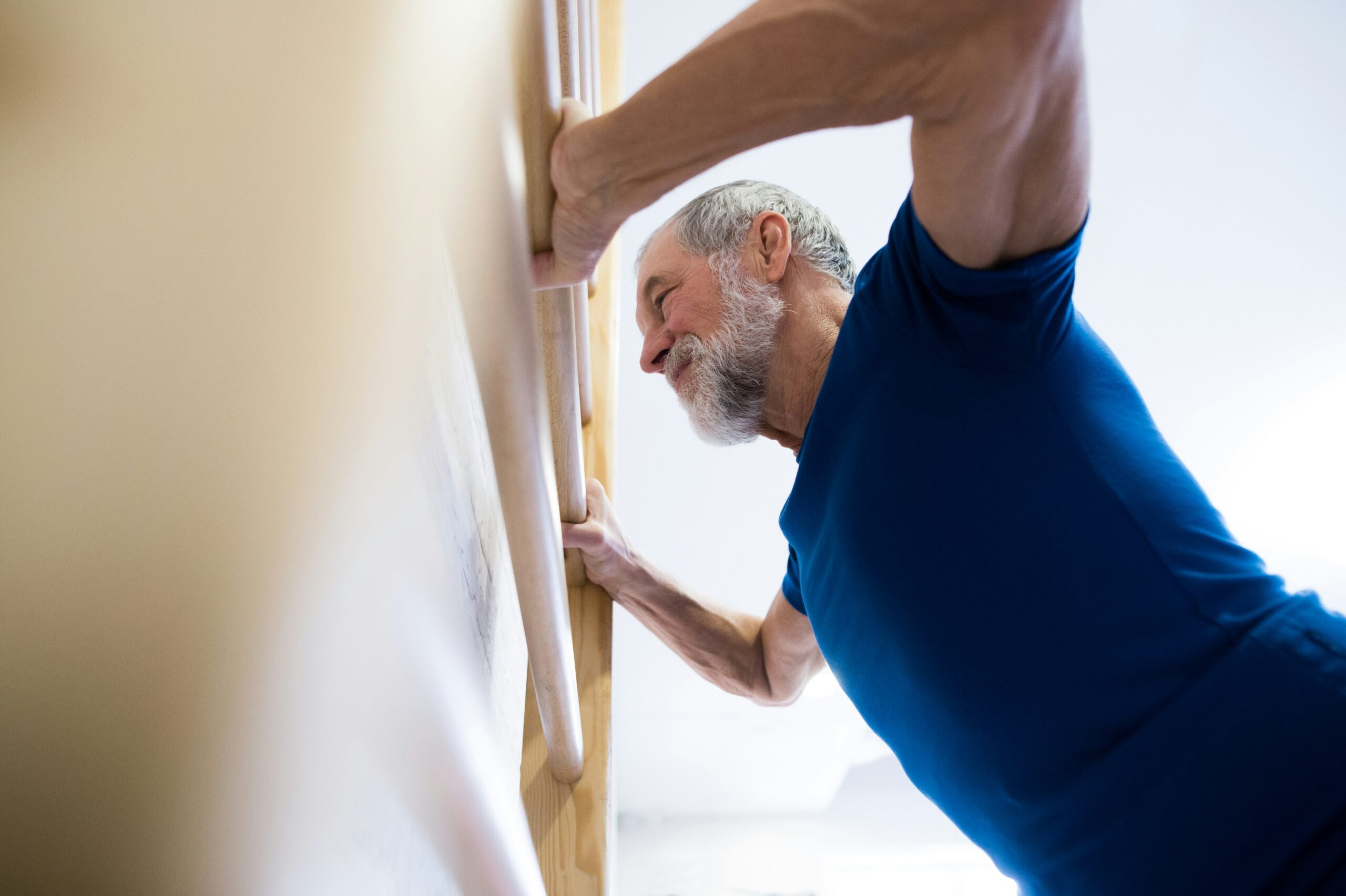
Now, I see movement as a gift—one I don’t want to take for granted again.
I’m not trying to break records or lift heavy weights. I just want to stay strong and mobile enough to live my life without limits.
Related Posts:
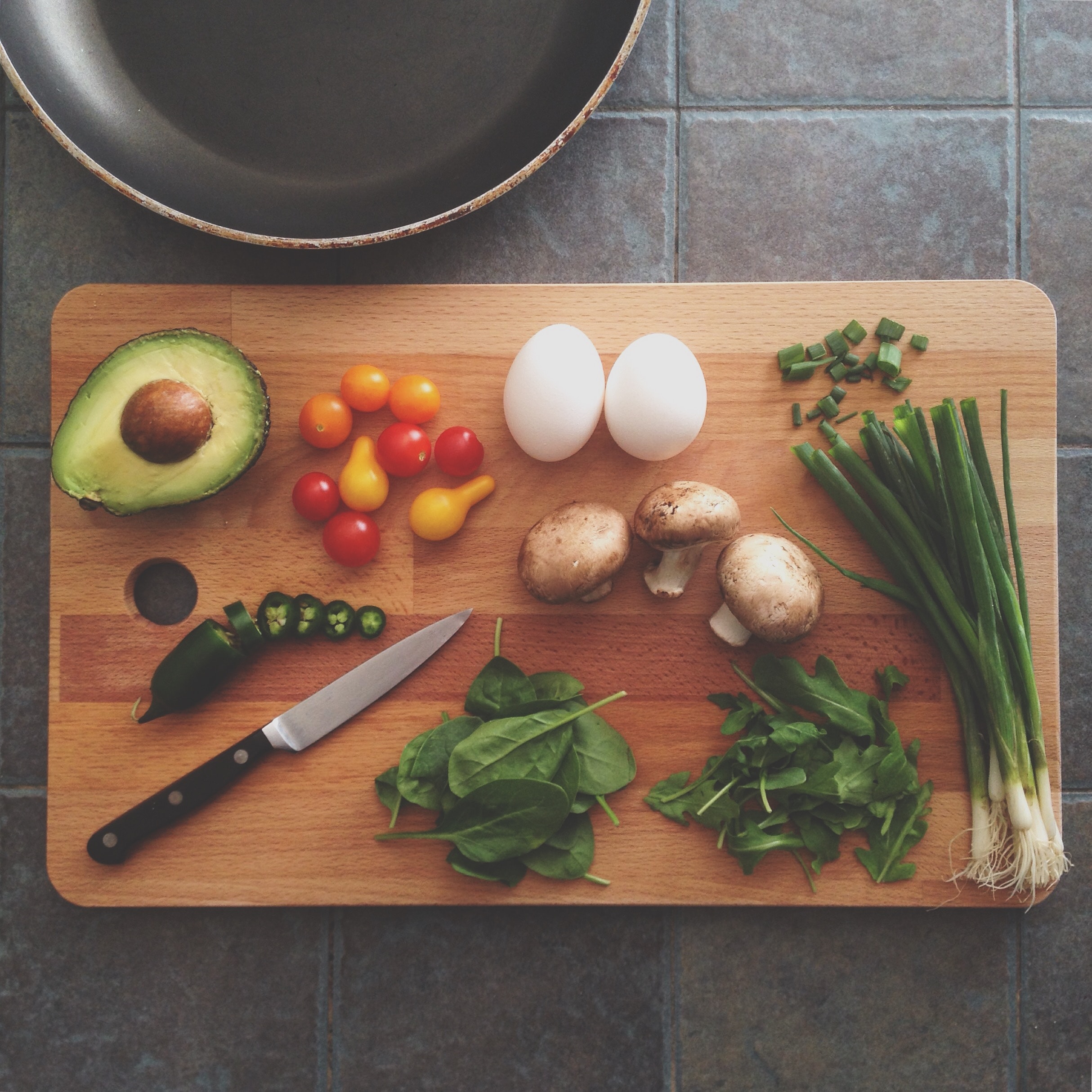
3.Nutrition for Life
Food can heal you—or it can hurt you.
After my mom passed, I started researching healthspan and longevity. Almost everything pointed to the Blue Zones—places where people live the longest, healthiest lives. That led me to Mediterranean and Okinawan-style eating.
I strayed plenty. But after surgery, I had to lock it down:
Low sodium (under 1,500 mg/day), zero trans fats, low saturated fats, and around 100g carbs/day.
I still mess up. But every meal is either helping me—or hurting me.
I’m not chasing fad diets anymore. I’m building a way of eating I can live with for life.
Related Posts:
Nutrition-My W.O.E.(Way of Eating
Related Links:
4. Mental and Emotional Health
Stress, depression, and isolation will wreck your healthspan faster than just about anything.
Healing the body is one thing. Healing the mind is just as important.
I’ve dealt with anxiety, depression, and burnout. Now I know that true health isn’t just about your heart or muscles—it’s also about what’s going on in your head and how you live day to day.
Journaling, getting outside, setting up routines, and managing stress have become daily tools for me.
Related Post:
Journal Prompts: Unlocking Your Thoughts
My Journey with Depression: Living in the Shadows
Understanding Anxiety: Navigating the Storm
5. Sleep, Rest, and Recovery
For most of my life, I treated sleep like it didn’t matter.
I worked jobs with crazy hours, skipped rest, and ran on fumes.
But after surgery, I saw how much damage that really caused.
Now I know—good sleep is one of the most powerful tools we have for healing, recovery, and staying strong as we age.
Sleep, rest, and slowing down are no longer optional.
Recovery isn’t weakness. It’s how you stay in the fight.
Related Post:
How I Got Started
I didn’t overhaul my life overnight. I started small—and honestly, I’m still working on most of it. Here’s how I began:
Walk 10 minutes a day. (Now I walk up to 8 hours at work.)
Add one vegetable per meal. (Still working on it.)
Prioritize sleep. (My top focus now after years of not getting enough.)
Talk to someone you care about.
Breathe. (Five deep breaths or box breathing helps me calm down fast.)
Small steps really do lead to big change.
My Healthspan Tools & Resources
Here’s what I use to stay on track:
🧴 Supplements: Omega-3s, CoQ10, magnesium, creatine (always talk to your doctor)
📱 Apps: Step counters, BP trackers, journaling and meditation tools, My Fitness Pal
🩺 Gear: Blood pressure monitor, pill organizer, comfortable walking shoes, smart watch, journal
🍳 Kitchen: Air fryer, low-sodium spices, meal prep containers
📺 YouTube: Cardiac rehab, beginner meditations, stretching routines
(Some links may be affiliate links that help support this blog at no extra cost to you. Thanks for being here.)
Shop what I use: Visit My Storefront(I’m currently rebuilding, everything got deleted)
What I’ve Learned (So Far)
A few hard-earned lessons from this road:
Healthspan starts before you get sick.
You don’t need to be perfect—you need to be consistent.
It’s never too late to change.
Keep it simple. Small daily habits matter most.
True health includes body, mind, heart, and soul.
The “boring stuff” is what keeps you alive and thriving.
Final Thoughts: Adding Life to My Years
I’m not a doctor. I’m not a coach.
I’m just a guy who got a second chance—and decided not to waste it.
I’ve seen what happens when health is lost.
Now I’m doing everything I can to write a different ending.
If you’re walking your own healthspan journey—or even just starting to think about it—you’re not alone.
Follow along here at This Old Man’s Life. This page will grow as I grow.
I’ll be sharing the wins, the setbacks, and everything in between.
We don’t get to choose how long we live.
But we can choose how we live the years we’ve got.
Let’s train for the life we want to live.
Even in our 90s.
— Chris
🔗 Subscribe to the Journey
🔗 See All Healthspan Posts
Leave a Comment