Introduction
- A startling fact: Nearly one-third of adults suffer from sleep deprivation. 50-70 million U.S. adults suffer from sort of sleep disorder.
- You will spend 1/3 of your life sleeping.
- The average person dreams 4-6 times per night.
- A snail can sleep for 3 years.
- The sudden feeling of falling while you sleep is called a myoclonic jerk.
- Before the 1800’s, people slept in batches. People had a “first” sleep and a “second” sleep. Towards evening they would sleep for 3-4 hours, wake for 2-3 hours, then go back to sleep until morning.
What is Sleep?
Sleep and rest are not just mere pauses in our daily hustle; they are foundational to our overall wellbeing. This article dives into the intricate ways in which quality sleep and restorative rest shape our physical health, fortify our mental resilience, and balance our emotional states. Good sleep is not merely about the number of hours but the quality of sleep we get, which profoundly impacts everything from cognitive function and emotional regulation to physical stamina and immune response. Rest, extending beyond mere sleep, includes moments of relaxation and mental reprieve, crucial for maintaining a balanced lifestyle. By understanding and prioritizing these aspects of wellbeing, we embark on a journey towards enhanced productivity, improved health, and a deeper sense of fulfillment in life. This article aims to unlock the secrets of sleep and rest, illuminating their roles as pivotal elements in the quest for a vibrant and enduring state of wellbeing.
My Sleep
For me, sleep has been an issue as long as I can remember. I’ve always had a problem getting to sleep, my mind would constantly race, sometimes it would be something physical. When I was a manager for a ready-mix company I spent most of the time running on 4 hours or less sleep a day, sometimes 0 if I had work to do when I got home. I didn’t eat much, but I was drinking multiple LARGE Monster drinks throughout the day, Mountain Dews one after the other, and at the time, one cigarette after another (been over a decade since I quit that habit). When a day off would roll around I would cash hard and sleep away the whole time. I do remember passing out from exhaustion one time and sleeping 2 days straight (missing work!) It was a blessing when I left that job. almost 20 years later and a different job, again manager and sleep again became a rarety. So many nights without sleep, I was being told to work multiple days straight through at times. “Just turn your office lights off and catch some sleep at your desk” (Tried, fell out of my chair.) Because of the crazy hours, I was on coffee and monster drinks when I’d wake up and taking multiple types sleeping pills to get to sleep. Lack of sleep and other reasons and I finally turned in my resignation.
I gave up energy drinks the week after I resigned from my job, and cut almost all of the sleeping pills out. Now I take a single 1 mg melatonin at night. After about a week, my sleeping schedule seemed to straighten itself out. You can see my full supplement stack HERE.
This article is a compilation of various information I’ve found on sleep. I hope some of the info might be of use to you as well. As soon as I’m able, I’ll create another post of my current sleep routine and link back to it. If you find this article interesting and helpful I hope you’ll subscibe and share with your family and friends.
The Science of Sleep
Sleep is a complex and essential biological process, vital for maintaining physical and mental health. It involves various stages, including REM (Rapid Eye Movement) and non-REM sleep, each playing a unique role in brain function and physical health. During sleep, the body undergoes repair and rejuvenation, crucial for cognitive functions like memory, learning, and emotional processing. Disruptions in sleep patterns can lead to a host of health issues, including impaired immune function, weight gain, and increased risk of cardiovascular diseases. Recent studies suggest that sleep also plays a pivotal role in flushing out brain toxins, potentially lowering the risk of neurodegenerative diseases.
Understanding Sleep Cycles and Their Impact on Aging
Each sleep cycle, typically lasting about 90 minutes, is a blend of deep sleep, light sleep, and REM sleep. Deep sleep is crucial for physical rejuvenation, allowing for tissue repair and growth hormone release, which is essential for maintaining muscle mass and overall physical health. Light sleep helps with mental and emotional processing. REM sleep, where most dreaming occurs, is vital for memory consolidation and mood regulation. As we age, the structure of our sleep changes – we spend less time in deep and REM sleep, which can affect our physical and cognitive health. This change in sleep architecture may contribute to age-related cognitive decline and reduced capacity for physical recovery, emphasizing the importance of quality sleep for aging gracefully.
The Relationship Between Sleep and Cellular Aging
Poor sleep accelerates cellular aging by shortening telomeres, indicators of aging linked to chronic diseases and shorter lifespans. Good sleep may preserve telomere length and aid in cellular repair. Sleep supports DNA repair and reduces oxidative stress, important for slowing cellular aging. Regular, quality sleep is crucial for promoting longevity and healthy aging.

Maximizing Sleep for Optimal Longevity
Quality sleep, typically 7-9 hours for adults, is vital for longevity and a lower risk of mortality, contributing significantly to the period of life spent in good health. It regulates crucial hormones related to hunger and stress and supports healthy metabolism. Sleep is also key for cognitive health, as lack of it impairs functions like attention and memory. Good sleep hygiene, including a consistent sleep schedule, a restful environment, and reduced blue light exposure before bed, can enhance sleep quality, leading to a longer, healthier life.
How Quality Sleep Contributes to a Longer, Healthier Life
Quality sleep is crucial for a healthy lifestyle and longevity. It aids in muscle growth, tissue repair, protein synthesis, and boosts immune function, helping to combat infections and inflammation related to chronic diseases and aging. Deep sleep stages are essential for memory consolidation and learning. Good sleep patterns reduce the risk of heart disease, diabetes, and obesity, underscoring the importance of sleep not just for rest, but for a longer, healthier life.
The Role of Sleep in Disease Prevention and Management
Sleep is crucial for preventing and managing diseases. It balances hormones, repairs cells, and strengthens the immune system, helping to prevent health issues like heart disease, obesity, diabetes, and some cancers. Chronic lack of sleep increases these risks. Adequate sleep also manages existing conditions by regulating blood sugar, maintaining weight, and reducing stress and inflammation, key factors in chronic diseases. Quality sleep is essential for overall health and disease resilience.

Sleep Disorders and Aging
With aging, changes in sleep patterns and more sleep disorders like insomnia, sleep apnea, restless leg syndrome, and frequent nighttime awakenings are common. These disorders can greatly affect sleep quality, causing daytime fatigue, cognitive impairment, and reduced life quality. Poor sleep in older adults is linked to a higher risk of falls, depression, and heart problems. Managing these sleep disorders is key to handling the aging process effectively.
Common Sleep Issues in Older Adults
Older adults often experience sleep issues due to changes in sleep architecture and circadian rhythms with age. They may find it harder to fall and stay asleep, with sleep becoming lighter and more fragmented, and less time in deep and REM stages. Many also experience advanced sleep phase syndrome, leading to earlier sleep and wake times than in younger years. Common age-related medical conditions like arthritis, back pain, and acid reflux, along with their medications, can also disrupt sleep. Addressing these issues is crucial for maintaining sleep quality and overall health in older adults.
Addressing Sleep Disorders to Enhance Longevity
Treating sleep disorders, especially in older adults, is vital for longevity. Strategies include lifestyle changes like a regular sleep schedule, comfortable environment, and physical activity. Cognitive-behavioral therapy (CBT) is effective for insomnia, and medical interventions like CPAP machines help with sleep apnea. Addressing medical issues and reviewing medications can also improve sleep. Prioritizing sleep health and treatment enhances life quality and promotes healthier aging.
Lifestyle and Environmental Factors for Better Sleep
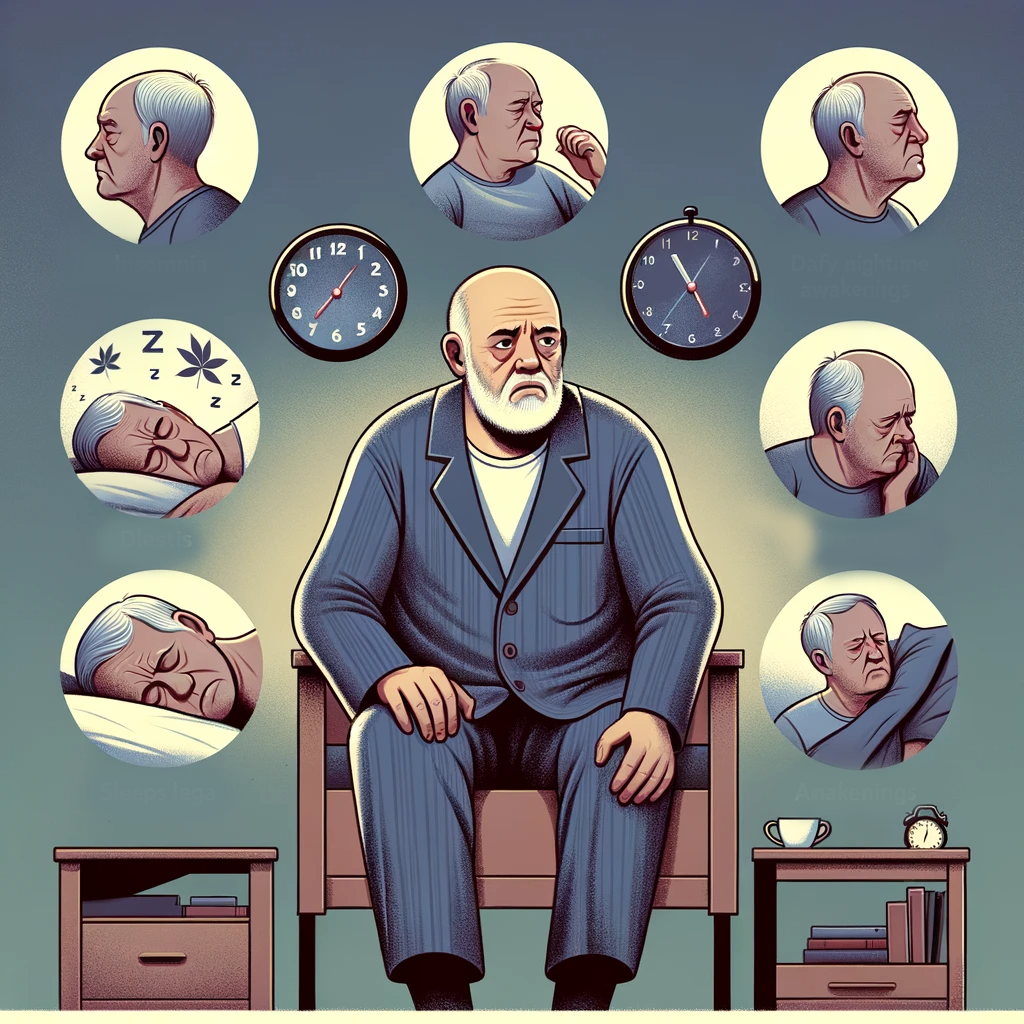
Lifestyle and environmental factors significantly influence sleep quality. Exposure to natural light during the day and darkness at night regulates circadian rhythms, essential for good sleep. A balanced diet, low in stimulants like caffeine and alcohol, enhances sleep quality. Regular exercise, preferably earlier in the day, promotes better sleep by lowering stress and inducing healthy fatigue. Minimizing screen time and blue light exposure before bedtime helps maintain the body’s natural sleep-wake cycle. Conscious adjustments in these daily aspects can greatly improve sleep quality.
Sleep Environment Optimization for Aging Adults
Optimizing the sleep environment is crucial for improving sleep quality in aging adults. A quiet, dark, and cool room aligns with the body’s natural readiness for sleep. A comfortable mattress and pillows are important, particularly for those with pain or joint issues. Using blackout curtains or eye masks to block light, and earplugs or white noise machines for noise control can help. The bedroom should be reserved for sleep and relaxation, without work materials or stimulating electronics. Creating a peaceful environment is key to ensuring restorative sleep for older adults.
Lifestyle Adjustments for Improved Sleep Quality
Improving sleep quality can be achieved through lifestyle changes. Establishing a consistent sleep schedule, even on weekends, helps regulate the body’s clock. Avoiding stimulants like nicotine, caffeine, and alcohol before bedtime is crucial. Engaging in a relaxing bedtime routine, such as reading or taking a bath, and practicing relaxation techniques like meditation or deep breathing, prepares the body for sleep. Managing stress with activities like yoga or therapy also contributes to better sleep. These simple changes can significantly enhance sleep quality.

Nutrition and Sleep in the Context of Aging
With aging, the link between nutrition and sleep becomes more crucial. Aging changes nutritional needs and the body’s food processing ability, impacting sleep quality. Older adults might be more sensitive to caffeine, affecting sleep. A nutrient-rich diet with magnesium and calcium supports natural sleep mechanisms. Antioxidant and anti-inflammatory foods improve sleep by reducing inflammation, common in older age. A balanced diet also helps regulate body weight, lowering the risk of sleep apnea and other disturbances. Adapting dietary habits with age is key for good sleep and overall health.
Dietary Choices that Promote Better Sleep and Longevity
Dietary choices rich in tryptophan, complex carbohydrates, omega-3 fatty acids, and antioxidants are beneficial for sleep and longevity. Tryptophan, found in turkey, nuts, seeds, and dairy, aids in producing sleep-regulating serotonin and melatonin. Complex carbs in whole grains and vegetables also support serotonin production. Omega-3s in fatty fish and antioxidants in fruits and vegetables boost brain health and potentially improve sleep. It’s recommended to limit heavy, spicy meals and excessive liquids before bedtime to avoid sleep disruptions. A balanced diet with these sleep-supportive foods can improve sleep quality and contribute to longer life.
The Impact of Nutrition on Sleep Quality and Aging
Nutrition is crucial for sleep quality and aging. Poor diets worsen age-related health problems affecting sleep, like obesity and heart disease. A nutrient-rich diet aids restorative sleep, with foods high in vitamins B and D, magnesium, and potassium enhancing muscle relaxation and nerve function for better sleep. Eating less sugar and saturated fats helps maintain a healthy weight and reduce sleep disorders like apnea. Good nutrition benefits sleep quality and overall aging, leading to a healthier life in later years.

Stress Management and Sleep in Older Adults
Effective stress management is essential for older adults to improve sleep quality and overall health. Aging brings unique stressors like health concerns, loss, or retirement, leading to anxiety and sleep disruption. Chronic stress can cause difficulty in falling or staying asleep. Techniques like mindfulness meditation, deep breathing, and progressive muscle relaxation are beneficial. Regular exercise, social engagement, and hobbies also help reduce stress. Managing stress can enhance sleep quality, crucial for physical and mental well-being and healthy aging.
Techniques to Reduce Stress for Better Sleep and Longevity
Older adults can use various techniques to reduce stress, improving sleep quality and aiding longevity. Mindfulness and meditation help focus the mind and reduce stress-related rumination. Physical and mindful activities like yoga and tai chi offer benefits for both stress and physical health. Cognitive-behavioral therapy (CBT) is useful in addressing stress-inducing negative thoughts. A consistent, relaxing bedtime routine also helps signal the body to unwind and prepare for sleep. Incorporating these stress-reduction methods into daily life can significantly enhance sleep quality, which is important for health and longevity.
The Connection Between Mental Health and Sleep in Aging
Mental health and sleep are closely linked in the aging population. Issues like depression and anxiety can worsen sleep quality, and poor sleep can intensify mental health problems, forming a cycle. It’s important for older adults to address mental health, seeking help when necessary. Activities like socializing and creative hobbies can boost mood and aid sleep. Maintaining good sleep hygiene, such as a regular sleep schedule and a comfortable environment, also benefits mental health. Addressing both mental health and sleep is crucial for older adults’ overall quality of life and healthy aging.
Mindfulness and Relaxation Techniques for Better Sleep
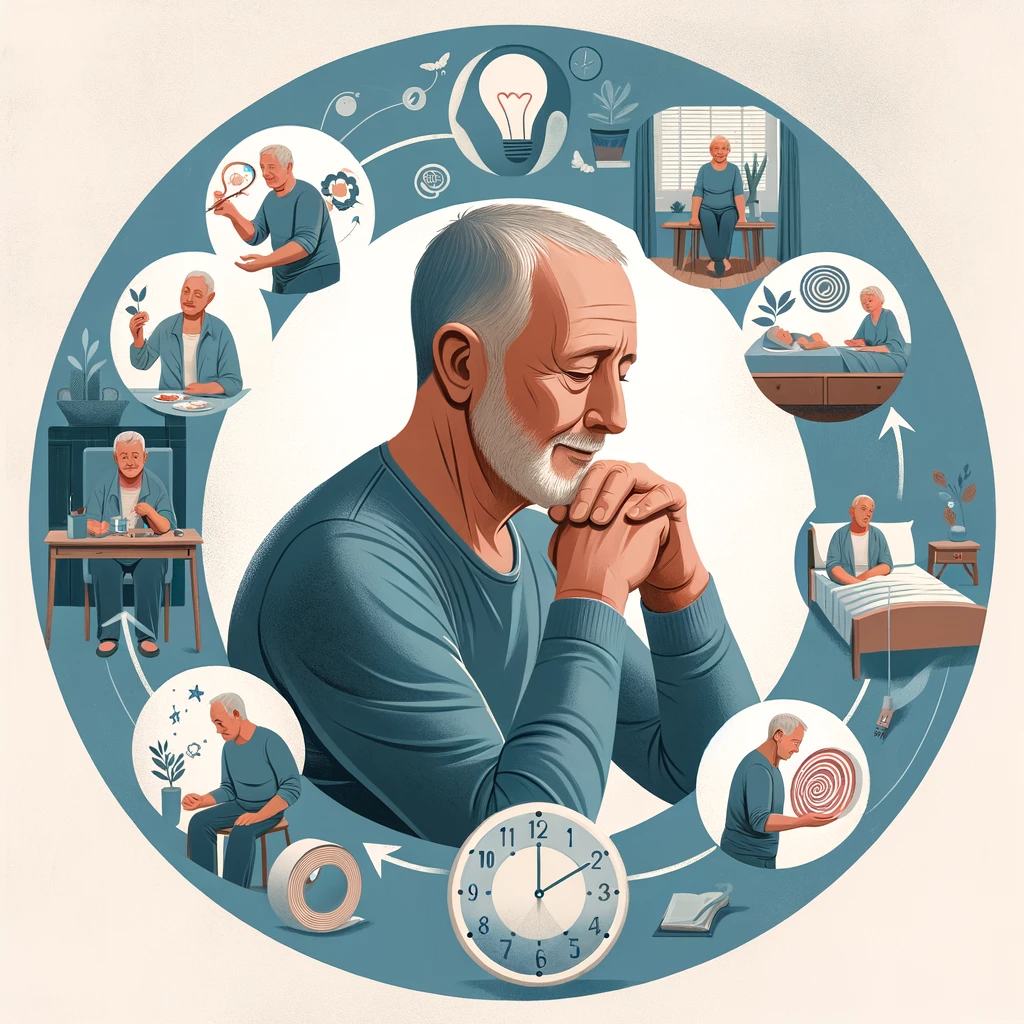
Mindfulness and relaxation techniques are vital tools for improving sleep quality, particularly in a fast-paced world where stress and overstimulation are common. These techniques work by calming the mind and preparing the body for rest, essential for a good night’s sleep.
Mindfulness Meditation: This practice involves focusing on the present moment with a non-judgmental mindset. It can be as simple as paying attention to your breath or doing a body scan while lying in bed. This technique helps in alleviating stress and anxiety, often culprits behind sleep disturbances. Consistency in mindfulness meditation, even during the day, can significantly improve the quality and duration of sleep at night. For those who wake up in the middle of the night, a brief mindfulness exercise can aid in returning to sleep without associating the bed with wakefulness.

Deep Breathing Exercises: Techniques like diaphragmatic breathing and the 4-7-8 breathing method are effective for engaging the body’s relaxation response. These exercises involve slow, deep breaths which help in slowing down the heartbeat, relaxing muscles, and reducing overall stress levels, creating an ideal state for sleep. Regular practice of deep breathing exercises, especially before bedtime, can facilitate a quicker and deeper onset of sleep.

Visualization and Guided Imagery: This technique involves picturing a peaceful and calming scene in your mind, engaging as many senses as possible. It diverts the mind from stress-inducing thoughts and promotes relaxation. Body scan meditation, a form of visualization, focuses attention on different parts of the body in succession, releasing tension and promoting a sense of physical and mental calm.

Progressive Muscle Relaxation: This method involves tensing and then relaxing different muscle groups in the body, often starting from the toes and working upwards. It helps in releasing physical tension and focusing the mind away from stressors and worries, making it easier to fall asleep.

Yoga and Tai Chi: Gentle forms of yoga, like Yin or Restorative yoga, and practices like tai chi, combine slow movements, deep breathing, and mindfulness. These activities are excellent for reducing stress and preparing the body for restful sleep.

By incorporating these mindfulness and relaxation techniques into a nightly routine, individuals can significantly improve their sleep quality. These practices not only help in transitioning into a state conducive to deep, restorative sleep but also enhance overall well-being, making them particularly beneficial for those struggling with sleep, including older adults.
Exercise, Sleep, and Aging
The relationship between exercise, sleep, and aging is complex yet interdependent. Regular physical activity is known to have a profound impact on sleep quality and overall longevity, particularly in older adults. As we age, our sleep patterns naturally change, and incorporating the right kind of exercise can help mitigate these changes, enhancing both the quality and duration of sleep.
Physical Activities that Enhance Sleep and Promote Longevity
Physical activity is crucial for improving sleep and promoting longevity, particularly in older adults. Aerobic exercises like walking, jogging, swimming, or cycling enhance deep sleep quality, vital for memory and rejuvenation. Strength training is important for maintaining muscle mass and strength, key for healthy aging. Flexibility and balance activities, such as yoga or tai chi, reduce stress and anxiety, aiding sleep. Moderate-intensity exercise in daily routines not only boosts sleep quality but also lowers the risk of sleep disorders like insomnia and sleep apnea, often found in older adults.
Balancing Exercise Routines for Optimal Sleep in Older Adults
For optimal sleep, older adults should balance their exercise routines. Regular exercise is beneficial, but timing is key. Vigorous exercise close to bedtime may hinder sleep due to increased alertness and body temperature. It’s better to do intense workouts earlier and opt for lighter activities like yoga or walking in the evening. This helps the body wind down. Consistent exercise routines aid in regulating the body’s internal clock, improving sleep quality. Older adults should tailor exercise intensity and duration to their health and physical abilities, ensuring exercise is helpful and not strenuous.

Technological Aids for Sleep in the Pursuit of Longevity
Sleep tracking and analysis tools are gaining popularity in the quest for longevity, particularly among older adults. Wearable devices like smartwatches and fitness trackers, along with non-wearable options such as bed sensors and smartphone apps, provide insights into sleep patterns and quality. These tools monitor sleep duration, stages, and interruptions, helping to identify trends or problems in sleep habits. For older adults, this data is valuable for detecting early signs of sleep disorders or evaluating sleep improvement efforts. Some tools also offer personalized recommendations based on tracked data, aiding in optimizing sleep for improved health and longevity.
Sleep Tracking and Analysis Tools for Aging Adults
Sleep tracking and analysis tools are increasingly popular for longevity, particularly among older adults. These technologies, including wearables like smartwatches and non-wearable options like bed sensors and apps, provide insights into sleep patterns and quality. They monitor sleep duration, stages, and interruptions, helping to identify trends or problems. This information is especially useful for older adults to detect early signs of sleep disorders and assess sleep improvement efforts. Some tools also give personalized recommendations, aiding in optimizing sleep for better health and longevity.
Balancing Technology Use for Optimal Sleep
Balancing technology use is crucial for older adults’ sleep quality. Excessive screen time and blue light from devices like smartphones can disrupt natural sleep patterns. To counter this, limit screen time before bed and use night mode to reduce blue light. It’s also important to avoid becoming too dependent on sleep technology, as this can lead to anxiety. These tools should complement a broader sleep hygiene strategy, including a consistent sleep schedule, a restful environment, and relaxing pre-sleep routines. Properly balanced, technology can effectively enhance sleep quality and support longevity.

Cultural and Holistic Approaches to Sleep and Aging
Traditional Practices for Sleep and Longevity
Cultural and traditional practices provide unique approaches to managing sleep and aging. Historically, many cultures emphasize natural remedies for sleep and longevity. In traditional Chinese medicine, acupuncture and herbal remedies like ginseng and jujube are used to balance body energy and improve sleep. Ayurveda, from ancient India, recommends specific diets, herbal treatments, and routines like oil massage for restful sleep and well-being in older adults. These practices focus on holistic health, balancing mind, body, and environment, offering valuable alternatives or complements to contemporary medical methods for sleep and aging.
Holistic Approaches to Sleep in the Context of Aging
Holistic approaches to sleep for the aging involve integrating health and lifestyle factors. They recommend a balanced lifestyle, including a healthy diet, regular exercise, mental wellness, and supportive social interactions. Yoga and meditation are suggested for stress relief and relaxation, essential for good sleep. Aromatherapy with calming scents like lavender and chamomile aids in creating a peaceful sleep environment. Practicing mindfulness and positive thinking at bedtime helps in transitioning to sleep. Together, these practices enhance sleep quality, overall well-being, and promote healthy aging in older adults.

The Future of Sleep Research in Relation to Aging
The future of sleep research, particularly in aging, aims to reveal new insights into the interplay between sleep and aging. With an aging global population, maintaining sleep quality with age is a growing focus. Key research areas include studying the molecular and genetic bases of sleep and how they alter with age. There’s a significant interest in how sleep patterns relate to age-related diseases like Alzheimer’s and heart disease, to understand sleep’s influence on these conditions’ development and progression. Research on circadian rhythms and their effects on metabolic and cognitive functions in older adults is also promising. Unraveling these complex relationships is vital for creating interventions to promote healthy aging through better sleep.
Emerging Trends and Research on Sleep and Longevity
Emerging sleep research trends are uncovering how sleep relates to longevity. Key focuses include sleep’s impact on cellular aging, like its role in telomere length and DNA repair. There’s increasing interest in sleep as a factor to extend lifespan and healthspan. Research is also looking at how lifestyle choices, including diet and exercise, affect sleep and aging. Studies on interventions such as sleep therapy and mindfulness practices are being conducted to see if they can improve sleep quality and contribute to a longer, healthier life. These trends show sleep research’s potential not just in understanding aging but also in creating ways to promote healthy longevity.
Innovations in Sleep Science for Aging Population
Sleep science innovations are benefiting the aging population with advanced, accessible sleep tracking tools. These provide insights into sleep patterns, enabling older adults to enhance sleep quality. Personalized medicine is gaining traction, offering tailored interventions based on genetics, lifestyle, and health. New therapies like light therapy for circadian disorders and cognitive-behavioral therapy for insomnia are emerging. Research in neurotechnology and AI is also advancing, aiming to improve understanding and treatment of sleep in older adults. These developments are not only deepening our knowledge of sleep and aging but also opening new treatment possibilities for sleep-related issues.
Cultural Perspectives on Sleep and Rest
Around the world, cultural perspectives on sleep and rest vary significantly, offering a rich tapestry of practices and beliefs that reflect diverse attitudes towards these vital aspects of life. In many Western societies, sleep is often viewed primarily through a scientific and health-oriented lens, with a focus on achieving optimal sleep for physical and mental well-being. However, in other cultures, sleep and rest can have different connotations and practices associated with them.
Siesta and Inemuri: Cultural Traditions of Rest
For instance, in some Mediterranean and Latin American cultures, the siesta or afternoon nap is a deeply ingrained practice. This isn’t just a way to escape the midday heat; it’s a reflection of a lifestyle that values a slower pace and the importance of rest. In contrast, in countries like Japan, there is a phenomenon known as “inemuri,” which translates to “sleeping while present.” This practice allows individuals to take short naps in public places, reflecting a culture that is often high-paced but still acknowledges the need for rest, even in small doses.
Spiritual Dimensions of Sleep in Indigenous Cultures
In many indigenous cultures, sleep is more than a physical necessity; it’s a time for spiritual connection. For example, the Aboriginal Australians view sleep as a time to connect with the ‘Dreamtime,’ the spiritual world that plays a crucial role in their culture and belief system.
Learning from Diverse Sleep Practices: Beyond One-Size-Fits-All
These diverse cultural attitudes and practices surrounding sleep and rest teach us that there isn’t a one-size-fits-all approach. They highlight the importance of understanding sleep within different cultural contexts and recognizing that our approach to rest can be influenced by a variety of factors, including lifestyle, environment, and deeply held cultural beliefs. This broader perspective can offer valuable insights into alternative ways of incorporating rest into our lives, potentially leading to more balanced and holistic approaches to sleep and overall well-being.
Balancing Sleep with a Busy Lifestyle
In today’s fast-paced world, balancing a busy lifestyle with adequate sleep is essential for health and productivity. It’s important to prioritize sleep as a key part of daily routines. Establishing a consistent sleep schedule, including the same bedtime and wake-up times even on weekends, helps regulate the body’s clock and improves sleep quality. A calming pre-sleep routine, like reading or light stretching, aids in winding down. Effective time management during the day, setting realistic goals, and taking breaks reduces stress and enhances sleep. Diet-wise, avoiding heavy meals, caffeine, and alcohol before bedtime prevents sleep disturbances, while regular exercise, preferably earlier in the day, promotes better sleep. Creating a sleep-friendly environment with a comfortable, quiet, and dark room, and minimizing screen time before bed is also crucial. These strategies help busy individuals maintain a healthy balance between their active lives and necessary restorative sleep
Conclusion: Embracing Sleep for a Graceful Aging Process
Embracing quality sleep is fundamental to aging gracefully and maintaining overall health as we grow older. The aging process naturally brings changes in sleep patterns and requirements, making it crucial to adapt and prioritize sleep. Good sleep supports critical bodily functions like memory consolidation, emotional regulation, and physical restoration. It aids in maintaining cognitive sharpness, emotional balance, and physical vitality, all of which are vital for a fulfilling and active later life. Moreover, quality sleep plays a role in managing age-related health issues, such as heart health, metabolic balance, and immune function. Therefore, understanding and embracing the evolving nature of sleep as part of the aging process is key to maintaining a high quality of life and well-being in our later years.
Summarizing the Importance of Sleep for Longevity
The significance of sleep in the context of longevity cannot be overstated. Research consistently shows that quality sleep has a profound impact on life expectancy and the aging process. Adequate sleep contributes to cellular repair, hormonal balance, and brain health, which are all essential for longevity. It helps in reducing the risk of age-related diseases such as dementia, heart disease, and diabetes. Furthermore, good sleep is linked to better mental health, reduced stress, and improved emotional well-being, all of which contribute to a longer, healthier life. In essence, sleep acts as a natural rejuvenator, not just by resting the body, but by actively supporting various physiological processes that underpin health and longevity.

Final Recommendations for Aging Gracefully with Quality Sleep
To age well with good sleep, key practices include maintaining a consistent sleep schedule for better sleep quality and creating a conducive sleep environment that is quiet, dark, and comfortable. Regular physical activity and a balanced diet positively affect sleep. Mindfulness and relaxation techniques like meditation or gentle yoga help manage stress and promote restful sleep. Additionally, addressing sleep disorders and underlying health issues is crucial, with regular health check-ups and professional consultations to manage sleep-related concerns effectively. These habits can greatly improve sleep quality in older adults, aiding in healthy and graceful aging.
Action Items:
- Stick to a sleep schedule
- Create a sleep-conducive environment
- Avoid stimulants
- Relax before bed-time
- Limit screen time
- Get regular exercise
- Avoid large meals & liquids before bedtime.
Some Helpful Links:
FAQs
-
How much sleep do adults need?
- Most adults need 7-9 hours of sleep per night.
-
What are some natural methods to improve sleep?
- Maintaining a consistent sleep schedule, creating a restful environment, and avoiding caffeine and electronics before bedtime can help.
-
Can exercise improve sleep quality?
- Yes, regular physical activity can enhance sleep quality and duration.
-
How does screen time affect sleep?
- The blue light from screens can disrupt the body’s circadian rhythms, making it harder to fall asleep.
-
What is the role of diet in sleep?
- A balanced diet can positively affect sleep quality, while heavy or rich foods can disrupt it.



Leave a Comment