
Healthspan
Trying To Live Better, Not Just Longer
At a Glance
- Chris Whalen, 53, triple bypass survivor, documenting his healthspan rebuild
- Six pillars: exercise, nutrition, sleep, emotional health, cognitive health, preventative care
- Personal goals focused on staying independent and capable into his 80s and 90s
- First-person account only — not medical advice
New Here?
If this is your first time here and you’re looking into Healthspan after 50, begin with my Start Here page. It’ll help you find your footing.
Start Here
Introduction: What Healthspan After 50 Means to Me
My father had a stroke that took his speech, his independence, and eventually the man I knew. My mother disappeared slowly into dementia. Watching them both go through that, I started reading everything I could about why some people stay sharp and functional into old age and others don’t.
That’s when I found Peter Attia’s work — specifically the idea that Healthspan after 50 looks very different from Lifespan(just living longer), and that most people only plan for one of them.That framing changed how I thought about everything.
Then in February 2025 I had triple bypass surgery. Twelve days from a failed stress test to an operating table. I came home to a bath chair my son Bran had bought and set up for me, scared to stand up in my own shower.
That’s when thinking became doing.
Table of Contents
What is Healthspan?
For most of my life I only thought about lifespan…how many years they’ll get. But years don’t mean much if the last decade is spent unable to move freely, think clearly, or live without depending on someone else for the basics.
Healthspan is the quality side of that equation. How many of those years am I actually capable? How long can I stay independent, functional, and present?
I’m not trying to live forever. I’m trying to stay capable for as long as I can. That’s the whole mission.
Why Healthspan Matters to Me
I watched my dad lose his capability in a single day. One stroke and the man who raised me — stubborn, strong, someone you did not argue with twice — couldn’t speak or care for himself. I became one of his caretakers. There came a point where I had to help clean him, bathe him, do things neither of us ever imagined. It felt wrong at first. Then it felt like the most natural thing in the world, because he had spent his whole life taking care of me.
My mother’s decline was slower but just as complete. By the end she didn’t know who I was.
What I remember most from those years isn’t just the grief. It’s trying to find help and finding almost none — not unless you had real money. The insurance covered almost nothing. I worked, I cared for them, and just figured it out.
I figured it out. And I decided I didn’t want my kids to have to figure it out for me.
Then came my own wake-up call. The surgery, the recovery, the bath chair. My son Bran scooping my ice cream because I didn’t have the grip strength to do it myself. That moment — quiet and small and devastating in its own way — is still one of the clearest pictures I have of what losing capability actually feels like.
Peter Attia talks about the Marginal Decade — the final ten years where everything gets harder if you haven’t prepared. I’ve seen that decade up close in two people I loved. I’m doing everything I can to make sure mine looks different.
What I’m Working On Right Now
This isn’t philosophy for me. It’s a daily checklist.
- Protecting my heart after surgery
- Losing weight intentionally and steadily
- Preserving muscle while in a calorie deficit
- Training balance and mobility before I need to
- Structuring sleep as recovery, not an afterthought
- Reducing metabolic risk across the board
- Managing stress — including the financial kind
That last one is real right now. I’m actually going through bankruptcy, which ended up being caused by the surgery — even though I’m still recovering from it. Both of them seem to hang over me all the time, awake or trying to sleep. Not something I can fix quick, and not something I can ignore. So I’m dealing with trying to fully recover from surgery while running into further health issues, and at the same time running into financial problems the surgery caused.
This is a total life audit. Not just a physical one.
My Centenarian Decathlon Goals
After reading Attia’s work I wrote down my own list — the things I want to still be able to do, not just today but into my 80s and 90s. These aren’t aspirational. They’re the standard I’m training toward.
- Grandchildren — lift and hold my grandchildren.
- Groceries — shop for what I need and carry it all from the car to the house myself.
- Floor Recovery — get up off the floor or ground on my own, no help, no struggle.
- Meals — prepare my own food and clean up after.
- Yard Work — mow, garden, and take care of the property myself.
- House Work — maintain and take care of my home on my own terms.
- Independence — dress myself, shower myself, handle my own personal care without needing to ask anyone.
- Bathroom — use the bathroom and take care of myself after. On my own. Always.

None of these are glamorous. But they’re the difference between a life I’m living and a life being managed for me. I’ve seen what it looks like when these things get taken away — up close, with people I loved. I’m training so that day comes as late as possible.
The Foundation: Heart Health
Everything starts here. Triple bypass surgery at 53 means this isn’t background maintenance — it’s what the rest of the rebuild sits on. Medications, blood pressure monitoring, cardiac rehab. The work I do in every other pillar either supports my heart or undermines it.
Related:
Key Pillars of Healthspan
Six areas. They overlap constantly — you can’t really separate them. But naming them keeps me organized and honest with myself.
1. Exercise & Movement
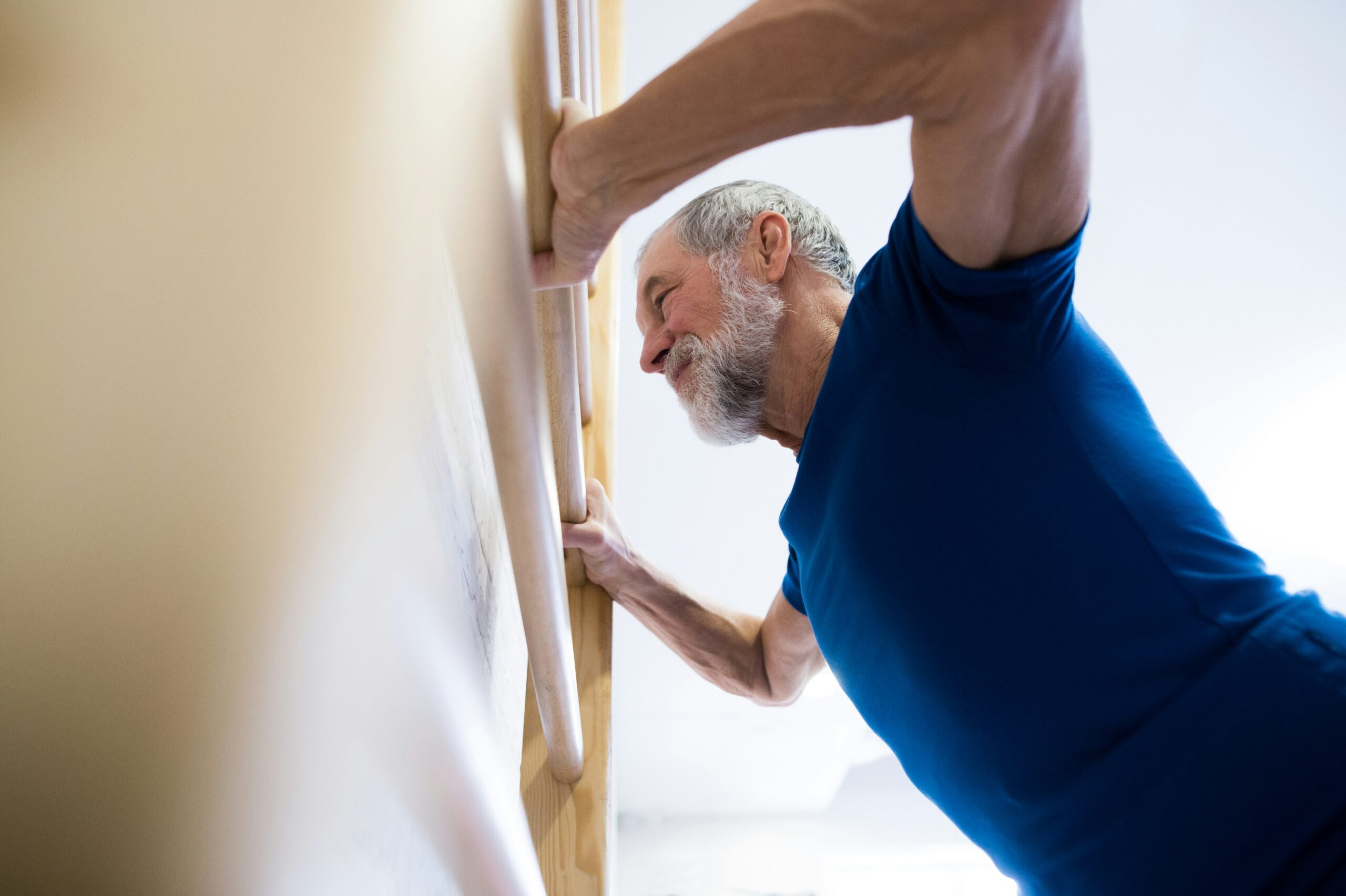
I work eight-plus hours a day on my feet at a large retail chain in Southeast Missouri. Concrete floors, constant movement, physical demands most people don’t associate with a day job. It’s hard on the body and it’s something I have to manage and recover from every shift.
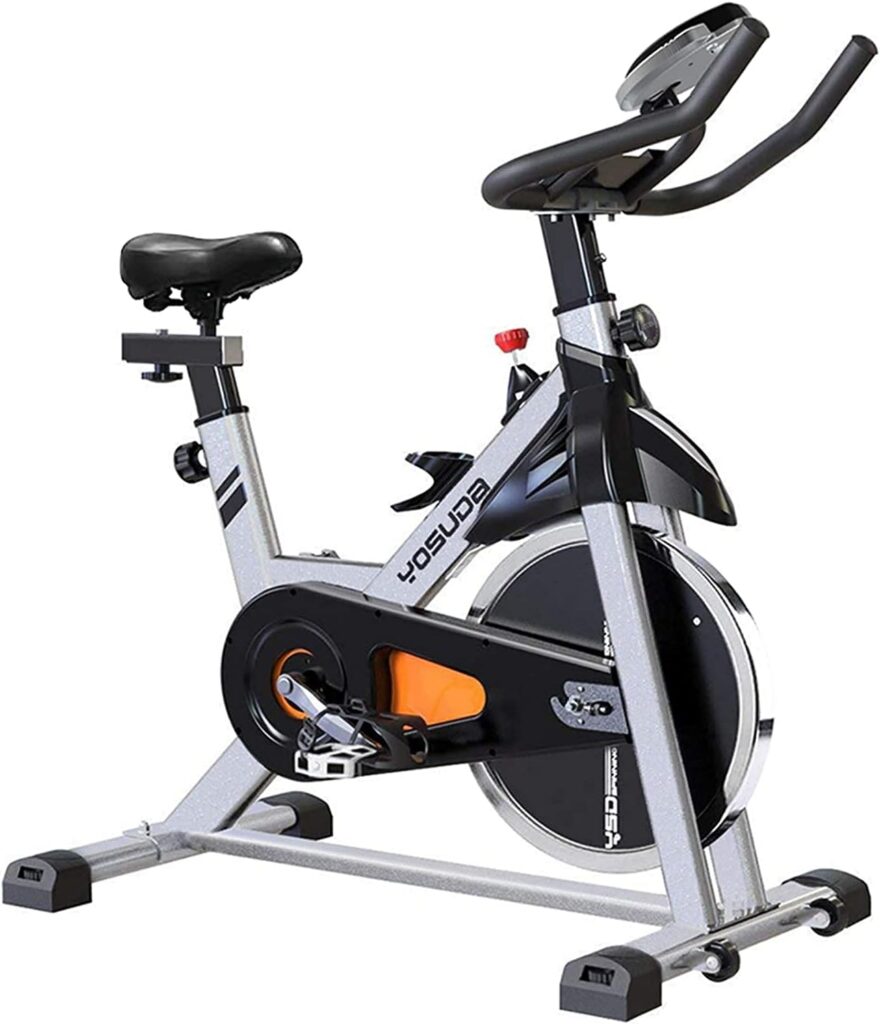
On top of that I add intentional movement — bodyweight work, the exercise bike, balance and flexibility training. The cardio I focus on is steady and moderate — keeping my heart rate in a zone where I’m working but not straining. That kind of consistent lower-intensity effort builds the aerobic foundation that matters for the long haul. I came across VO2 max tracking through Attia’s work — it’s one of the better indicators of where cardiovascular health actually stands.”
The strength work is simpler — basic movements that keep me functional. Not impressive. Just capable.
Related:
2. Nutrition
Food is either helping me or working against me. There’s not much neutral ground after heart surgery.
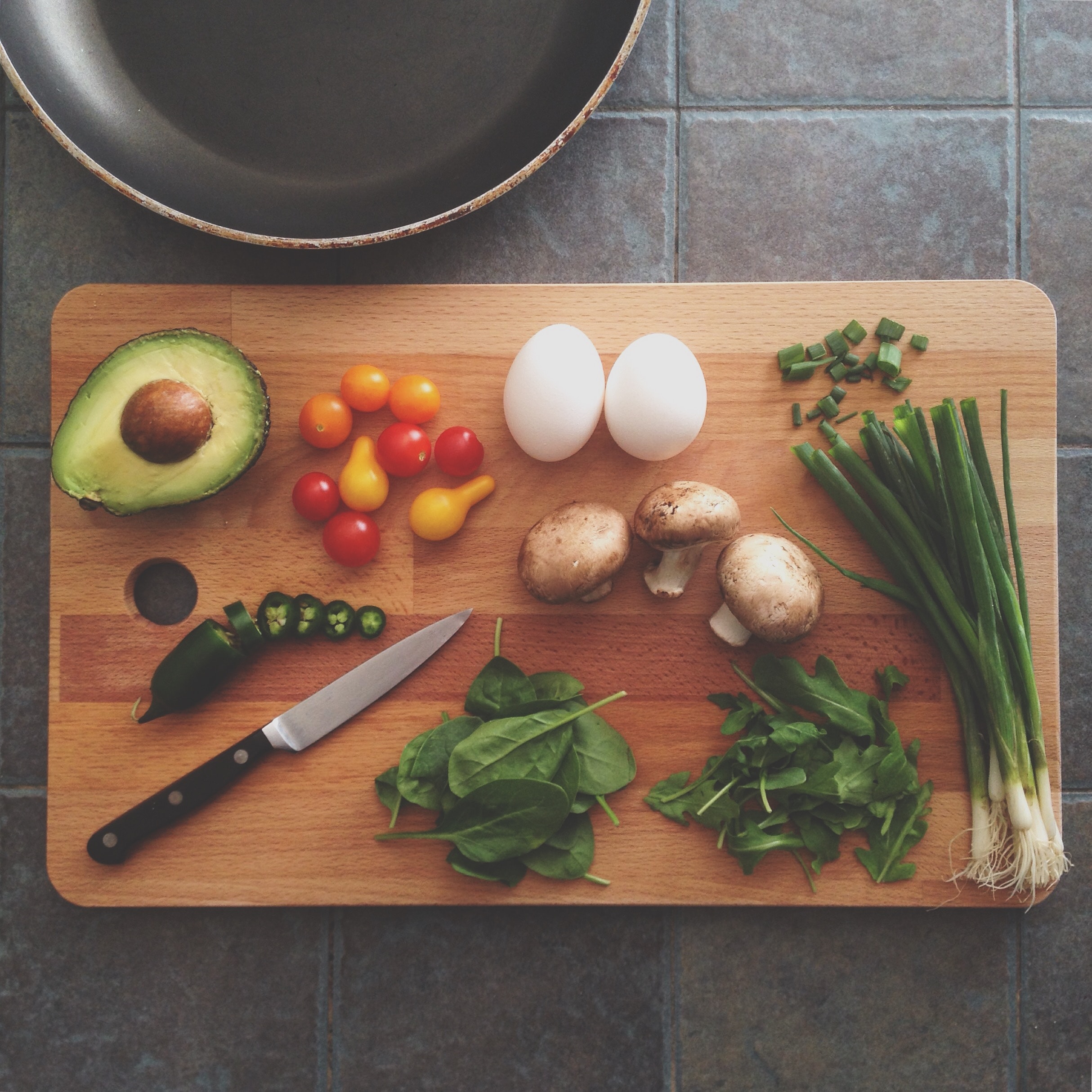
The two things I focus on most are protein and keeping my blood sugar stable. I got deep into this through Peter Attia’s work — his website and his book Outlive. Protein because maintaining muscle gets harder as you get older and I’ve already lost more than I should have during recovery. Blood sugar because the metabolic side — insulin, inflammation, all of it — connects directly to heart health, brain health, and how the body ages. I’m not tracking every number obsessively. I’m just aware of it in a way I never was before.
I spent years not thinking about food at all. After surgery I had to build something I could actually sustain. Simple food, controlled portions, meal prep on my days off so the decisions are already made when I’m too tired to make good ones.
I still mess up. I’m honest about that on the nutrition page.
Related:
3. Sleep & Recovery
I treated sleep like it didn’t matter for most of my adult life. I ran on fumes and called it discipline.
After surgery I saw what that cost me. Sleep is when the body repairs tissue, when the brain clears out the waste it accumulates during the day, when hormones reset. It’s not downtime — it’s maintenance. When I shortchange it, especially working the hours I work, everything else suffers. Recovery slows. Stress climbs. The body doesn’t rebuild the way it should.
It’s not optional anymore.
Related:

4. Emotional Health & Social Connection
This is the feeling side of health — how I’m carrying what life is putting on me right now.
That last one is real right now. I’m actually going through bankruptcy, which ended up being caused by the surgery — even though I’m still recovering from it. Both of them seem to hang over me all the time, awake or trying to sleep. Not something I can fix quick, and not something I can ignore. So I’m dealing with trying to fully recover from surgery while running into further health issues, and at the same time running into financial problems the surgery caused.
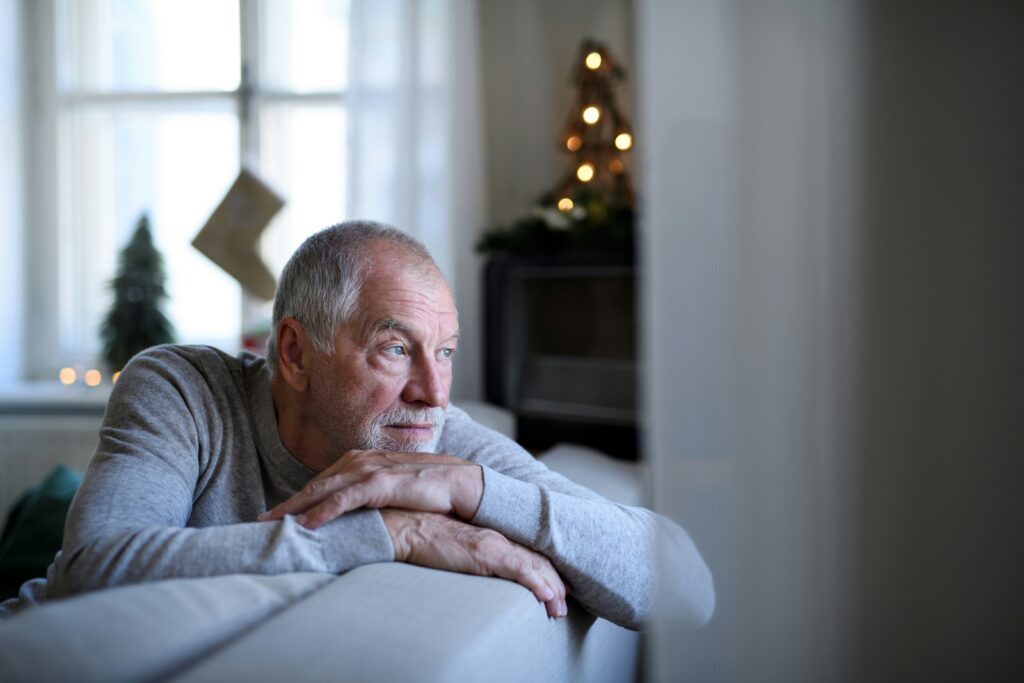
I’m mostly an introvert. Alone time doesn’t bother me — most of the time I prefer it. But there’s a difference between choosing to be alone and not really having anyone there if I needed them. I’ve gotten comfortable with solitude, maybe more than I should have. I’m not always sure where the line is between that and isolation.
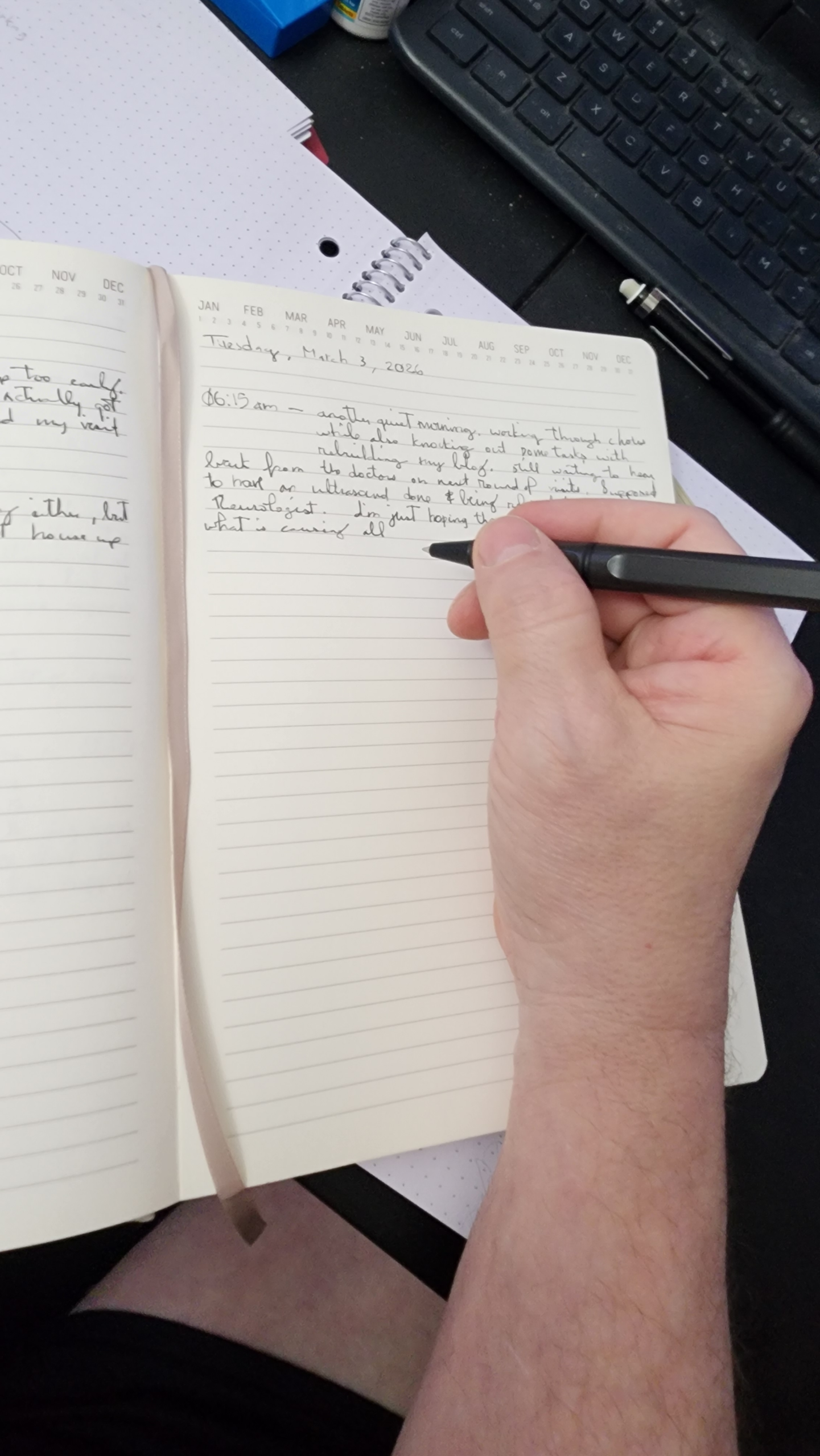
Journaling, routine, staying engaged with something that matters — these are what keep me moving. I’m not always honest with myself about what’s actually weighing on me. But having a structure helps, even when I can’t name what I’m carrying.
Related:
5. Cognitive Health
This is the thinking side — keeping the mind sharp and engaged as I get older.
I’m working on restoring my Blazer, I handle my own work on my Armada, I research and plan the remodel on my house and yard. I’m building a fantasy world, playing chess and Sudoku, researching and writing for this blog, drawing and painting. I’m trying to learn at least one more language and hoping to pick up guitar at some point. None of that is accidental. Keep the brain working on real things and it stays sharper longer. Let it sit idle and it starts to drift
Watching my mother disappear into dementia gave me a very specific fear about cognitive decline. Doing something about it is part of why I stay engaged with projects that make me think.
Related:
6. Medicine & Preventative Care
Catching things early is the whole game. My stress test proved that.
I had no dramatic symptoms. No chest pain, no collapse. Just a routine stress test that came back wrong. Twelve days later I was on an operating table. If I’d skipped that test — if I’d put it off another year the way most people do — the story probably ends differently. That’s not dramatic. That’s just how it works.
Peter Attia talks about this as one of the most important pillars of longevity — not just treating disease but getting ahead of it. Knowing my numbers. Understanding mybloodwork. Tracking blood pressure, blood sugar, cholesterol, inflammation markers. Being an active participant in your own healthcare instead of just showing up when something already hurts.
Cardiac rehab was a big part of this for me. The research says completing a formal rehab program after bypass surgery lowers the risk of future cardiovascular death by 25 to 30 percent. I took that seriously. I did the sessions until my insurance got canceled and cut me off before I was finished. Then I kept going on my own. My recovery couldn’t belong to an insurance company. It had to belong to me.
I’m on medications I’ll likely take for the rest of my life. I go to my appointments. I ask questions. I track my blood pressure at home. I pay attention in a way I never did before surgery.
That’s what medicine looks like for me now — not a last resort, but part of the daily maintenance.
Related:
How I Got Started
I didn’t overhaul my life overnight. I started small – and I’m still working on most of it. Here’s what I actually did:
- Walking. Short distances at first. My current job now has me on my feet for hours, but it started with just getting out and moving a little.
- Sleep. I stopped treating it like something that happened when I ran out of energy and started actually managing it.
- Breathing. I picked this up somewhere along the way – originally using it for meditation. Simple and it works.
- Vegetables. Just eat more, try to eat at least one per meal.
None of it felt like much at the time. Those small choices however became the foundation everything else got built on.
I’m still building.
My Healthspan Tools & Resources
These aren’t recommendations. They’re just what I actually use.
- Blood pressure monitor — I’m using the same one my mother and father used. There’s something to that. I’m looking at upgrading to something I can wear through a workday that ties into my watch.
- Samsung Watch 6 Classic — this watch is what first flagged potential health issues, including something that looked like AFib but turned out to be something else. I don’t take it off much.
- Meal prep containers — without these I stray. Simple as that. Having food already made and portioned is the difference between following my nutrition plan and not.
- Creatine — started using it to help build muscle during recovery. It’s become more than that. Research suggests it supports cognitive health too, which matters to me given my family history.
- Bullet journal — I’ve been journaling for twenty years, and a bullet journal of some sort for at least 10. It’s how I plan, track, and keep myself honest.
There’s more. I keep the full list updated on my storefront.
What I’ve Learned (So Far)
- Healthspan starts before you get sick. The work I’m doing now is for the version of me that’s ten and twenty years out.
- Consistency matters more than intensity. I’ve learned this the hard way more than once.
- Small habits compound. Boring daily choices accumulate into something real over months and years.
- It’s never too late. I’m 53, rebuilding from close to zero after major surgery and significant life disruption. Still here. Still working.
- The unglamorous stuff is what actually works. Showing up on the hard days. Eating the meal I prepped. Getting to bed. Those aren’t exciting. They’re what’s keeping me in the fight.
FAQ
What is healthspan and how is it different from lifespan?
Lifespan is how many years you get. Healthspan is how many of those years you’re actually capable — able to move freely, think clearly, and live without depending on someone else. Most people plan for lifespan. I’m focused on healthspan.
How do you improve healthspan after 50?
From what I’ve learned and what I’m doing — consistent movement, real food, prioritizing sleep, staying mentally engaged, managing stress, and actually showing up for medical appointments. None of it is complicated. Most of it is just not ignoring it anymore.
Can you rebuild your health after bypass surgery?
That’s exactly what I’m trying to do. Triple bypass at 53. Cardiac rehab, daily habits, slow steady progress. It’s not fast and it’s not glamorous but it’s moving forward.
What is the Centenarian Decathlon?
It’s a concept from Peter Attia — a personal list of physical tasks you want to still be able to do in your 80s and 90s. I wrote my own list based on staying independent — things like carrying my own groceries, getting up off the floor, and taking care of myself without asking for help.
What are the most important pillars of healthspan?
For me — heart health as the foundation, then exercise, nutrition, sleep, emotional health, cognitive health, and preventative care. They all connect. You can’t really separate them.
Where I’m Working on This
The rebuild is spread across five areas. Each one has its own page:
- Nutrition: My WOE — how I eat and why
- Fitness: My Rebuild— movement, strength, and conditioning
- Understanding Sleep — rest as a health tool
- Cardiac Rehab — the heart work specifically
- A Level 10 Life — the bigger framework this all fits inside
Final Thoughts: Adding Life to My Years
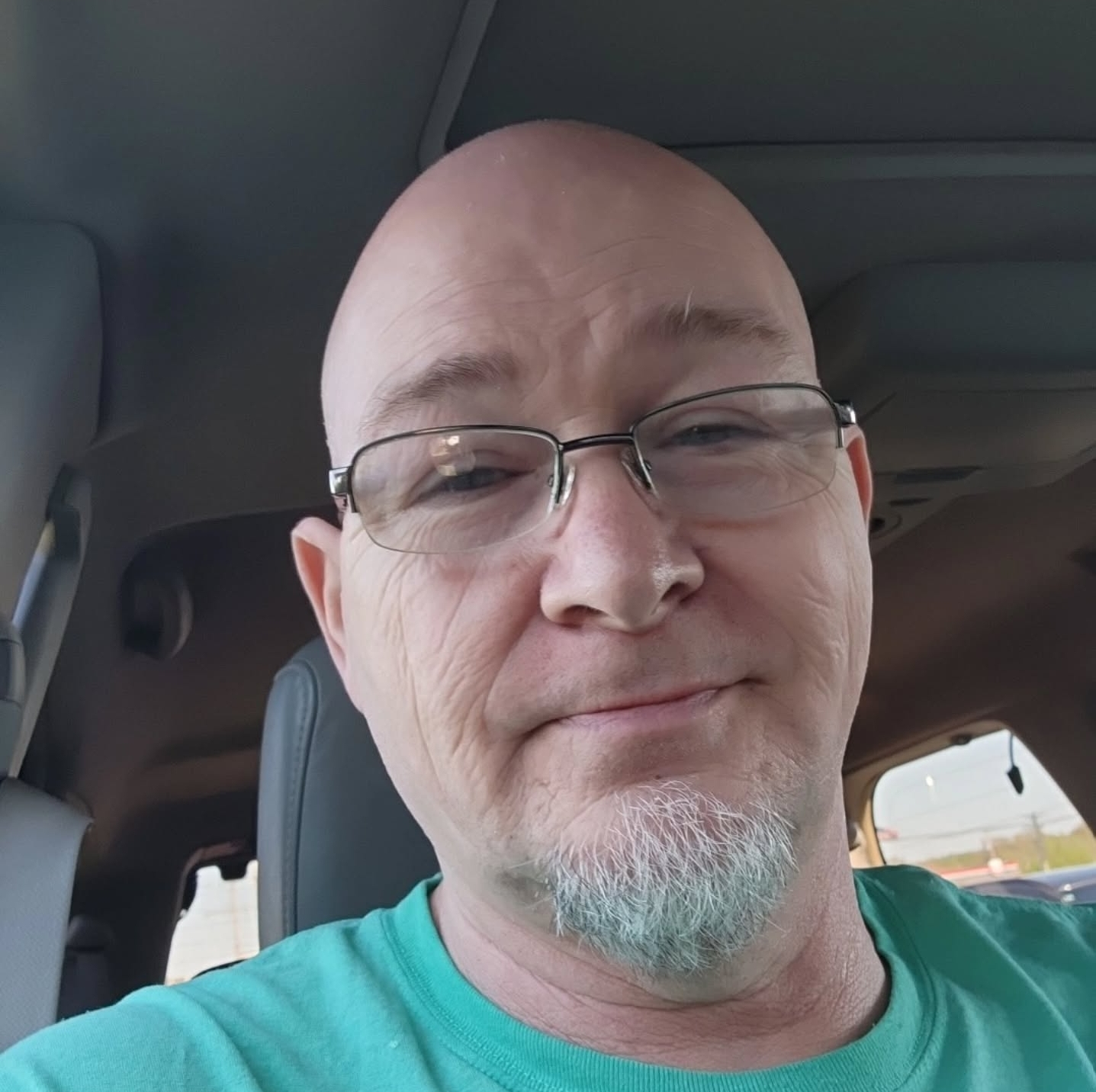
I’m not a doctor. I’m not a coach. I’m a 53-year-old man who watched his parents lose their health and then nearly lost his own — and decided to pay attention.
This page will keep growing as I go. The wins, the setbacks, the things I’m still figuring out. All of it.
— Chris
Next Steps:
→ My Lifespan and Level 10 Life pages — the other two pillars
→ My Journey — where this whole thing started
→ My Recommended Gear — things I’ve personally bought and use Items are also in my Amazon Store.